

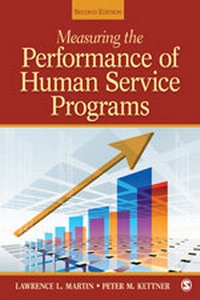
Measuring the Performance of Human Service Programs
2nd Edition
Published on 28. July 2009
Book
Paperback/Softback
160 pages
978-1-4129-7061-7 (ISBN)
Description
Today stakeholders demand accountability from government and nongovernmental human service organizations. Performance measurement has become the major method of performance accountability. So how can human service organizations develop and utilize program output, quality, and outcome performance measures to satisfy stakeholders? This Second Edition of Measuring the Performance of Human Service Programs explains in detail how to measure and assess program effectiveness. With special attention given to the four types of outcome performance measures-numeric counts, standardized measures, level of functioning (LOF) scales, and client satisfaction-this updated classic is the only resource focused exclusively on performance accountability and performance measurement in the human services.
Features in This Edition
Provides a fundamental understanding of performance accountability and performance measurement in human service programs with comprehensive and up-to-date material
Utilizes the systems model as a conceptual framework- a common conceptual framework in social work and the human services
Explains the different types of output (efficiency) performance measures-time, episode, material
Includes updated examples of efficiency, quality, and effectiveness performance measures in human service organizations
An Instructor's Resource site offers PowerPoint slides for each chapter and suggested assignments to accompany each chapter.
Intended Audience
This book is designed for graduate courses on social work and human services and is also a invaluable resource for practitioners in human service organizations.
Features in This Edition
Provides a fundamental understanding of performance accountability and performance measurement in human service programs with comprehensive and up-to-date material
Utilizes the systems model as a conceptual framework- a common conceptual framework in social work and the human services
Explains the different types of output (efficiency) performance measures-time, episode, material
Includes updated examples of efficiency, quality, and effectiveness performance measures in human service organizations
An Instructor's Resource site offers PowerPoint slides for each chapter and suggested assignments to accompany each chapter.
Intended Audience
This book is designed for graduate courses on social work and human services and is also a invaluable resource for practitioners in human service organizations.
More details
Series
Edition
2nd Revised edition
Language
English
Place of publication
Thousand Oaks
United States
Target group
College/higher education
Edition type
Revised edition
Dimensions
Height: 229 mm
Width: 152 mm
Weight
250 gr
ISBN-13
978-1-4129-7061-7 (9781412970617)
Copyright in bibliographic data and cover images is held by Nielsen Book Services Limited or by the publishers or by their respective licensors: all rights reserved.
Schweitzer Classification
Other editions
Previous edition
Lawrence L. Martin | Peter M. Kettner
Measuring the Performance of Human Service Programs
Book
04/1996
1st Edition
SAGE Publications Inc
€76.94
Article exhausted; check for reprint
Persons
Lawrence L. Martin is Professor of Public Affairs, Social Work and Public Administration at the University of Central Florida in Orlando. He was previously on the faculty of the Columbia University School of Social Work in New York City where he directed the program in social work administration. He is the author of 20 books and major monographs and over 100 articles and book chapters. Peter M. Kettner was a professor at the Arizona State University School of Social Work. He authored six books, 50 articles, monographs, and book chapters on the topics of purchase-of-service contracting, privatization, macro practice in social work, human services planning, and social work administration. Over his 30 year career in academia he served as a consultant to five different state human service agencies and dozens of local nonprofit agencies on their purchase of service contracting practices and in the design and implementation of effectiveness-based planning systems.
Content
Preface
1. Performance Accountability and Performance Measurement
Introduction
What is a Program?
What is Performance Measurement?
Performance Measurement and the Systems Model
Why Adopt Performance Measurement?
2. Putting Performance Accountability and Performance Measurement in Perspective
Introduction
The Forces Promoting Performance Accountability and Performance Measurement
The Language and Structure of SEA Reporting
Developing and Using Performance Measures
3. Logic Models, Human Service Programs, and Performance Measurement
Introduction
Developing a Logic Model
Agency Strategic Plan Focus
Community Problem or Need Focus
Social Problem Focus
4. Output Performance Measures
Introduction
What are Output Performance Measures?
Developing Intermediate Output Performance Measures
Final Output Performance Measures
5. Quality Performance Measures
Introduction
What is Quality?
The Dimensions of Quality
Types of Quality Performance Measures
6. Outcome Performance Measures
Introduction
What are Outcome Performance Measures?
Client Problems Versus Client End States
The Four Types of Outcome Performance Measures
Intermediate and Final Outcome Performance Measures
Selecting Outcome Performance Measures
Cause-and-Effect Relationships
Social Indicators as Final Outcome Performance Measures
Outcome Performance Measures and Programs of Service
Assessing the Four Types of Outcome Performance Measures
7. Introduction
What are Numeric Counts?
Examples of Numeric Counts
The Preference for Numeric Counts
An Assessment of Numeric Counts
8. Standardized Measures
Introduction
What are Standardized Measures?
The Use of Standardized Measures for Evaluation Versus Research
Difference in Standardized Measures
Locating Standardized Measures
Using Standardized Measures as Outcome Performance Measures
Translating Standardized Measures Into Numeric Counts
An Assessment of Standardized Measures
9. Level of Functioning (LOF) Scales
Introduction
What are Level of Functioning (LOF) Scales?
Principles in Designing LOF Scales
Translating LOF Scales Into Numeric Counts
An Assessment of LOF Scales
10. Client Satisfaction
Introduction
Using Client Satisfaction as an Outcome Performance Measure
Translating Client Satisfaction Outcomes Into Numeric Counts
An Assessment of Client Satisfaction
11. Using Performance Measurement Information
Introduction
The Town
The Agency and the Human Service Programs
Planning Using Performance Measures
Monitoring Performance
Reporting Using Performance Measures
Performance Accountability and Performance Measurement
References
Index
About the Authors
1. Performance Accountability and Performance Measurement
Introduction
What is a Program?
What is Performance Measurement?
Performance Measurement and the Systems Model
Why Adopt Performance Measurement?
2. Putting Performance Accountability and Performance Measurement in Perspective
Introduction
The Forces Promoting Performance Accountability and Performance Measurement
The Language and Structure of SEA Reporting
Developing and Using Performance Measures
3. Logic Models, Human Service Programs, and Performance Measurement
Introduction
Developing a Logic Model
Agency Strategic Plan Focus
Community Problem or Need Focus
Social Problem Focus
4. Output Performance Measures
Introduction
What are Output Performance Measures?
Developing Intermediate Output Performance Measures
Final Output Performance Measures
5. Quality Performance Measures
Introduction
What is Quality?
The Dimensions of Quality
Types of Quality Performance Measures
6. Outcome Performance Measures
Introduction
What are Outcome Performance Measures?
Client Problems Versus Client End States
The Four Types of Outcome Performance Measures
Intermediate and Final Outcome Performance Measures
Selecting Outcome Performance Measures
Cause-and-Effect Relationships
Social Indicators as Final Outcome Performance Measures
Outcome Performance Measures and Programs of Service
Assessing the Four Types of Outcome Performance Measures
7. Introduction
What are Numeric Counts?
Examples of Numeric Counts
The Preference for Numeric Counts
An Assessment of Numeric Counts
8. Standardized Measures
Introduction
What are Standardized Measures?
The Use of Standardized Measures for Evaluation Versus Research
Difference in Standardized Measures
Locating Standardized Measures
Using Standardized Measures as Outcome Performance Measures
Translating Standardized Measures Into Numeric Counts
An Assessment of Standardized Measures
9. Level of Functioning (LOF) Scales
Introduction
What are Level of Functioning (LOF) Scales?
Principles in Designing LOF Scales
Translating LOF Scales Into Numeric Counts
An Assessment of LOF Scales
10. Client Satisfaction
Introduction
Using Client Satisfaction as an Outcome Performance Measure
Translating Client Satisfaction Outcomes Into Numeric Counts
An Assessment of Client Satisfaction
11. Using Performance Measurement Information
Introduction
The Town
The Agency and the Human Service Programs
Planning Using Performance Measures
Monitoring Performance
Reporting Using Performance Measures
Performance Accountability and Performance Measurement
References
Index
About the Authors