

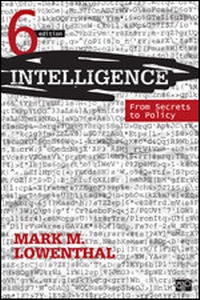
Intelligence
From Secrets to Policy
6th Edition
Published on 2. July 2014
Book
Paperback/Softback
560 pages
978-1-4833-0778-7 (ISBN)
Description
Mark M. Lowenthal's trusted guide is the go-to resource for understanding how the intelligence community's history, structure, procedures, and functions affect policy decisions. In this Sixth Edition, the author highlights new challenges facing the intelligence community, examining NSA programs, UAVs, the impact of social media, and the effects of the Snowden leaks on collection and Congressional oversight. All transnational issues have been updated, especially to reflect changes in the war on terror. New analytic issues receive attention, including Big Data, multi-intelligence analysis, and shifting demands on the workforce. An expanded chapter on oversight scrutinizes the role of the FISA court, OMB, and GAO.
Reviews / Votes
"Intelligence is an excellent introduction into the realm of intelligence, both from the standpoint of the analyst and the policymaker. It is well written, clear and concise with well organized chapters. There is no text out there that covers the realm of intelligence in all of its phases as elegantly and precisely as this one does." -- Alan Clyde More "Lowenthal's book remains the most cogent and comprehensive treatment of US intelligence and the intelligence processes. Others treat various topics, principally analysis, in greater detail, but lack the scope of Lowenthal, which is what makes it valuable. With each edition, Lowenthal ensures that the text is relatively up-to-date with recent events and trends. His sense of humor is a great addition to what otherwise could be rather wonk-ish and dry text." -- Peter OlesonMore details
Edition
6th Revised edition
Language
English
Place of publication
Thousand Oaks
United States
Target group
College/higher education
Edition type
Revised edition
Dimensions
Height: 229 mm
Width: 152 mm
Weight
672 gr
ISBN-13
978-1-4833-0778-7 (9781483307787)
Copyright in bibliographic data and cover images is held by Nielsen Book Services Limited or by the publishers or by their respective licensors: all rights reserved.
Schweitzer Classification
Other editions
New editions
Book
12/2016
7th Edition
CQ Press
€106.66
Article is exhausted; no reprint
Previous edition
Book
12/2011
5th Edition
CQ Press
€94.28
Article exhausted; check for reprint
Person
Mark M. Lowenthal has over forty-four years of experience in U.S. intelligence. He has served as the Assistant Director of Central Intelligence for Analysis and Production, Vice Chairman for Evaluation on the National Intelligence Council, staff director of the House Permanent Select Committee on Intelligence, office director and as a Deputy Assistant Secretary of State in the State Department's Bureau of Intelligence and Research (INR), and Senior Specialist in U.S. Foreign Policy at the Congressional Research Service, Library of Congress. He is now the President and CEO of the Intelligence & Security Academy, an education and consulting firm. Dr. Lowenthal received his BA from Brooklyn College and his PhD in history from Harvard University. He serves as an adjunct professor at the Johns Hopkins University; the National Intelligence University; Sciences Po (Paris); and the Norwegian Defence Intelligence School. He was an adjunct at Columbia University from 1993-2007.
Content
Chapter 1: What is "Intelligence"?
Why Have Intelligence Agencies?
What Is Intelligence About?
Key Terms
Further Readings
Chapter 2: The Development of U.S. Intelligence
Major Themes
Major Historical Developments
Key Terms
Further Readings
Chapter 3: The U.S. Intelligence Community
Alternative Ways of Looking at the Intelligence Community
The Many Different Intelligence Communities
Intelligence Community Relationships That Matter
The Intelligence Budget Process
Key Terms
Further Readings
Chapter 4: The Intelligence Process - A Macro Look: Who Does What For Whom?
Requirements
Collection
Processing and Exploitation
Analysis and Production
Dissemination and Consumption
Feedback
Thinking about the Intelligence Process
Key Terms
Further Readings
Chapter 5: Collection and The Collection Disciplines
Overarching Themes
Strengths and Weaknesses
Conclusion
Key Terms
Further Readings
Chapter 6: Analysis
Major Themes
Analytical Issues
Further Readings
Chapter 9: The Role of The Policy Maker
The U.S. National Security Policy Process
Who Wants What?
The Intelligence Process: Policy and Intelligence
Key Terms
Further Readings
Chapter 10: Oversight and Accountability
Executive Oversight Issues
Congressional Oversight
Issues in Congressional Oversight
Internal Dynamics of Congressional Oversight
The Courts
Conclusion
Key Terms
Further Readings
Chapter 11: The Intelligence Agenda: Nation-States
The Primacy of the Soviet Issue
The Emphasis on Soviet Military Capabilities
The Emphasis on Statistical Intelligence
The "Comfort" of a Bilateral Relationship
Collapse of the Soviet Union
Intelligence and the Soviet Problem
The Current Nation-State Issue
Key Terms
Further Readings
Chapter 12: The Intelligence Agenda: Transnational Issues
U.S. National Security Policy and Intelligence after the Cold War
Intelligence and the New Priorities
Cyberspace
Terrorism
Proliferation
Narcotics
Economics
Demographics
Health and the Environment
Peacekeeping Operations
Support to the Military
Conclusion
Key Terms
Further Readings
Chapter 13: Ethical and Moral Issues in Intelligence
General Moral Questions
Issues Related to Collection and Covert Action
Analysis-Related Issues
Oversight-Related Issues
The Media
Conclusion
Further Readings
Chapter 14: Intelligence Reform
The Purpose of Reform
Issues in Intelligence Reform
Conclusion
Key Terms
Further Readings
Chapter 15: Foreign Intelligence Services
Britain
China
France
Israel
Russia
Other Services
Other Services in Brief
Conclusion
Further Readings
SIGINT - William Nolte
Open Source - Eliot Jardines
GEOINT - Darryl Murdock
HUMINT - Michael Althoff, William Huntington
MASINT - John Morris
Why Have Intelligence Agencies?
What Is Intelligence About?
Key Terms
Further Readings
Chapter 2: The Development of U.S. Intelligence
Major Themes
Major Historical Developments
Key Terms
Further Readings
Chapter 3: The U.S. Intelligence Community
Alternative Ways of Looking at the Intelligence Community
The Many Different Intelligence Communities
Intelligence Community Relationships That Matter
The Intelligence Budget Process
Key Terms
Further Readings
Chapter 4: The Intelligence Process - A Macro Look: Who Does What For Whom?
Requirements
Collection
Processing and Exploitation
Analysis and Production
Dissemination and Consumption
Feedback
Thinking about the Intelligence Process
Key Terms
Further Readings
Chapter 5: Collection and The Collection Disciplines
Overarching Themes
Strengths and Weaknesses
Conclusion
Key Terms
Further Readings
Chapter 6: Analysis
Major Themes
Analytical Issues
Further Readings
Chapter 9: The Role of The Policy Maker
The U.S. National Security Policy Process
Who Wants What?
The Intelligence Process: Policy and Intelligence
Key Terms
Further Readings
Chapter 10: Oversight and Accountability
Executive Oversight Issues
Congressional Oversight
Issues in Congressional Oversight
Internal Dynamics of Congressional Oversight
The Courts
Conclusion
Key Terms
Further Readings
Chapter 11: The Intelligence Agenda: Nation-States
The Primacy of the Soviet Issue
The Emphasis on Soviet Military Capabilities
The Emphasis on Statistical Intelligence
The "Comfort" of a Bilateral Relationship
Collapse of the Soviet Union
Intelligence and the Soviet Problem
The Current Nation-State Issue
Key Terms
Further Readings
Chapter 12: The Intelligence Agenda: Transnational Issues
U.S. National Security Policy and Intelligence after the Cold War
Intelligence and the New Priorities
Cyberspace
Terrorism
Proliferation
Narcotics
Economics
Demographics
Health and the Environment
Peacekeeping Operations
Support to the Military
Conclusion
Key Terms
Further Readings
Chapter 13: Ethical and Moral Issues in Intelligence
General Moral Questions
Issues Related to Collection and Covert Action
Analysis-Related Issues
Oversight-Related Issues
The Media
Conclusion
Further Readings
Chapter 14: Intelligence Reform
The Purpose of Reform
Issues in Intelligence Reform
Conclusion
Key Terms
Further Readings
Chapter 15: Foreign Intelligence Services
Britain
China
France
Israel
Russia
Other Services
Other Services in Brief
Conclusion
Further Readings
SIGINT - William Nolte
Open Source - Eliot Jardines
GEOINT - Darryl Murdock
HUMINT - Michael Althoff, William Huntington
MASINT - John Morris