

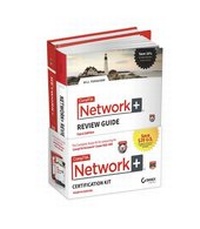
CompTIA Network+ Certification Kit
Exam N10-006
4th Edition
Published on 8. June 2015
Book
Paperback/Softback
1200 pages
978-1-119-02115-5 (ISBN)
Description
You're complete Network+ prep updated for exam N10-006
CompTIA Network+ Certification Kit is an all-inclusive, value-priced study kit for the Network+ exam (N10-006). With both the CompTIA Network+ Deluxe Study Guide and the CompTIA Network+ Review Guide, you will get full coverage of all exam objectives, real-world examples, and plenty of opportunities for practice. This invaluable bundle provides clear explanations of important topics, exam highlights, end-of-chapter reviews, and a glossary of the most important terms candidates need to know to prepare for the exam. Comprehensive exam prep software includes a test engine and electronic flashcards to facilitate information retention, and gives you the opportunity to test your knowledge while there's still time to address weak areas. The Review Guide is broken into five parts, each part devoted to a separate objective domain area of the Network+ exam, allowing you the option of working all the way through or picking out the information you need most.
CompTIA's Network+ certification covers advances in networking technology and reflects changes in associated job tasks. The exam emphasizes network implementation and support, and includes expanded coverage of wireless networking topics.
* Review 100% of the Network+ exam objectives
* Get clear, concise insight on crucial networking maintenance topics
* Study practical examples drawn from real-world experience
* Utilize leading-edge exam preparation software
The CompTIA Network+ Certification Kit 4e is your ideal price-savvy package for the Network+.
CompTIA Network+ Certification Kit is an all-inclusive, value-priced study kit for the Network+ exam (N10-006). With both the CompTIA Network+ Deluxe Study Guide and the CompTIA Network+ Review Guide, you will get full coverage of all exam objectives, real-world examples, and plenty of opportunities for practice. This invaluable bundle provides clear explanations of important topics, exam highlights, end-of-chapter reviews, and a glossary of the most important terms candidates need to know to prepare for the exam. Comprehensive exam prep software includes a test engine and electronic flashcards to facilitate information retention, and gives you the opportunity to test your knowledge while there's still time to address weak areas. The Review Guide is broken into five parts, each part devoted to a separate objective domain area of the Network+ exam, allowing you the option of working all the way through or picking out the information you need most.
CompTIA's Network+ certification covers advances in networking technology and reflects changes in associated job tasks. The exam emphasizes network implementation and support, and includes expanded coverage of wireless networking topics.
* Review 100% of the Network+ exam objectives
* Get clear, concise insight on crucial networking maintenance topics
* Study practical examples drawn from real-world experience
* Utilize leading-edge exam preparation software
The CompTIA Network+ Certification Kit 4e is your ideal price-savvy package for the Network+.
More details
Other editions
New editions

Book
04/2018
Wiley
€99.04
Article exhausted; check for reprint
Previous edition

Book
03/2012
3rd Edition
Wiley
€102.00
Article exhausted; check for reprint
Content
CompTIA Network+ Deluxe Study Guide: Exam N10-006
Introduction xxix
Assessment Test xli
Chapter 1 Introduction to Networks 1
Chapter 2 The Open Systems Interconnection Specifications 27
Chapter 3 Networking Topologies, Connectors, and Wiring Standards 55
Chapter 4 The Current Ethernet Specifications 91
Chapter 5 Networking Devices 127
Chapter 6 Introduction to the Internet Protocol 171
Chapter 7 IP Addressing 205
Chapter 8 IP Subnetting, Troubleshooting IP, and Introduction to NAT 233
Chapter 9 Introduction to IP Routing 277
Chapter 10 Routing Protocols 297
Chapter 11 Switching and Virtual LANs 333
Chapter 12 Wireless Networking 377
Chapter 13 Authentication and Access Control 429
Chapter 14 Network Threats and Mitigation 469
Chapter 15 Physical Security and Risk 525
Chapter 16 Wide Area Networks 573
Chapter 17 Troubleshooting Tools 615
Chapter 18 Software and Hardware Tools 671
Chapter 19 Network Troubleshooting 711
Chapter 20 Management, Monitoring, and Optimization 755
Appendix A Answers to the Written Labs 813
Appendix B Answers to Review Questions 827
Appendix C Subnetting Class A 857
Index 865
CompTIA Network+ Review Guide: Exam N10-006
Introduction xxvii
Chapter 1 Domain 1.0 Network Architecture 1
1.1 Explain the Functions and Applications of Various Network Devices 11
1.2 Compare and Contrast the Use of Networking Services and Applications 15
1.3 Install and Configure the Following Network Services and Applications 20
1.4 Explain the Characteristics and Benefits of Various WAN Technologies 28
1.5 Install and Properly Terminate Various Cable Types and Connectors Using Appropriate Tools 39
1.6 Differentiate between Common Network Topologies 57
1.7 Differentiate between Network Infrastructure Implementations 62
1.8 Given a Scenario, Implement and Configure the Appropriate Addressing Schema 66
1.9 Explain the Basics of Routing Concepts and Protocols 79
1.10 Identify the Basic Elements of Unified Communication Technologies 85
1.11 Compare and Contrast Technologies That Support Cloud and Virtualization 87
1.12 Given a Set of Requirements, Implement a Basic Network 90
Chapter 2 Domain 2.0 Network Operations 95
2.1 Given a Scenario, Use Appropriate Monitoring Tools 100
2.2 Given a Scenario, Analyze Metrics and Reports from Monitoring and Tracking Performance Tools 106
2.3 Given a Scenario, Use Appropriate Resources to Support Configuration Management 110
2.4 Explain the Importance of Implementing Network Segmentation 112
2.5 Given a Scenario, Install and Apply Patches and Updates 116
2.6 Given a Scenario, Configure a Switch Using Proper Features 119
2.7 Install and Configure Wireless LAN Infrastructure and Implement the Appropriate Technologies in Support of Wireless Capable Devices 125
Chapter 3 Domain 3.0 Network Security 135
3.1 Compare and Contrast Risk Related Concepts 141
3.2 Compare and contrast common network vulnerabilities and threats 145
3.3 Given a Scenario, Implement Network Hardening Techniques 154
3.4 Compare and Contrast Physical Security Controls 163
3.5 Given a Scenario, Install and Configure a Basic Firewall 165
3.6 Explain the Purpose of Various Network Access Control Methods 169
3.7 Summarize Basic Forensic Concepts 171
Chapter 4 Domain 4.0 Troubleshooting 177
4.1 Given a Scenario, Implement the Following Network Troubleshooting Methodology 183
4.2 Given a Scenario, Analyze and Troubleshoot the Output of Troubleshooting Tools 186
4.3 Given a Scenario, Troubleshoot and Resolve Common Wireless Issues 200
4.4 Given a Scenario, Troubleshoot and Resolve Common Copper Cable Issues 206
4.5 Given a Scenario, Troubleshoot and Resolve Common Fiber Cable Issues 210
4.6 Given a Scenario, Troubleshoot and Resolve Common Network Issues 211
4.7 Given a Scenario, Troubleshoot and Resolve Common Security Issues 216
4.8 Given a Scenario, Troubleshoot and Resolve Common WAN Issues 222
Chapter 5 Domain 5.0 Industry Standards, Practices, and Network Theory 229
5.1 Analyze a Scenario and Determine the Corresponding OSI Layer 235
5.2 Explain the Basics of Network Theory and Concepts 237
5.3 Given a Scenario, Deploy the Appropriate Wireless Standard 246
5.4 Given a Scenario, Deploy the Appropriate Wired Connectivity Standard 249
5.5 Given a Scenario, Implement the Appropriate Policies or Procedures 251
5.6 Summarize Safety Practices 253
5.7 Given a Scenario, Install and Configure Equipment in the Appropriate Location Using Best Practices 256
5.8 Explain the Basics of Change Management Procedures 260
5.9 Compare and Contrast the Following Ports and Protocols 263
5.10 Given a Scenario, Configure and Apply the Appropriate Ports and Protocols 267
Appendix Answers to Review Questions 273
Index 279
Introduction xxix
Assessment Test xli
Chapter 1 Introduction to Networks 1
Chapter 2 The Open Systems Interconnection Specifications 27
Chapter 3 Networking Topologies, Connectors, and Wiring Standards 55
Chapter 4 The Current Ethernet Specifications 91
Chapter 5 Networking Devices 127
Chapter 6 Introduction to the Internet Protocol 171
Chapter 7 IP Addressing 205
Chapter 8 IP Subnetting, Troubleshooting IP, and Introduction to NAT 233
Chapter 9 Introduction to IP Routing 277
Chapter 10 Routing Protocols 297
Chapter 11 Switching and Virtual LANs 333
Chapter 12 Wireless Networking 377
Chapter 13 Authentication and Access Control 429
Chapter 14 Network Threats and Mitigation 469
Chapter 15 Physical Security and Risk 525
Chapter 16 Wide Area Networks 573
Chapter 17 Troubleshooting Tools 615
Chapter 18 Software and Hardware Tools 671
Chapter 19 Network Troubleshooting 711
Chapter 20 Management, Monitoring, and Optimization 755
Appendix A Answers to the Written Labs 813
Appendix B Answers to Review Questions 827
Appendix C Subnetting Class A 857
Index 865
CompTIA Network+ Review Guide: Exam N10-006
Introduction xxvii
Chapter 1 Domain 1.0 Network Architecture 1
1.1 Explain the Functions and Applications of Various Network Devices 11
1.2 Compare and Contrast the Use of Networking Services and Applications 15
1.3 Install and Configure the Following Network Services and Applications 20
1.4 Explain the Characteristics and Benefits of Various WAN Technologies 28
1.5 Install and Properly Terminate Various Cable Types and Connectors Using Appropriate Tools 39
1.6 Differentiate between Common Network Topologies 57
1.7 Differentiate between Network Infrastructure Implementations 62
1.8 Given a Scenario, Implement and Configure the Appropriate Addressing Schema 66
1.9 Explain the Basics of Routing Concepts and Protocols 79
1.10 Identify the Basic Elements of Unified Communication Technologies 85
1.11 Compare and Contrast Technologies That Support Cloud and Virtualization 87
1.12 Given a Set of Requirements, Implement a Basic Network 90
Chapter 2 Domain 2.0 Network Operations 95
2.1 Given a Scenario, Use Appropriate Monitoring Tools 100
2.2 Given a Scenario, Analyze Metrics and Reports from Monitoring and Tracking Performance Tools 106
2.3 Given a Scenario, Use Appropriate Resources to Support Configuration Management 110
2.4 Explain the Importance of Implementing Network Segmentation 112
2.5 Given a Scenario, Install and Apply Patches and Updates 116
2.6 Given a Scenario, Configure a Switch Using Proper Features 119
2.7 Install and Configure Wireless LAN Infrastructure and Implement the Appropriate Technologies in Support of Wireless Capable Devices 125
Chapter 3 Domain 3.0 Network Security 135
3.1 Compare and Contrast Risk Related Concepts 141
3.2 Compare and contrast common network vulnerabilities and threats 145
3.3 Given a Scenario, Implement Network Hardening Techniques 154
3.4 Compare and Contrast Physical Security Controls 163
3.5 Given a Scenario, Install and Configure a Basic Firewall 165
3.6 Explain the Purpose of Various Network Access Control Methods 169
3.7 Summarize Basic Forensic Concepts 171
Chapter 4 Domain 4.0 Troubleshooting 177
4.1 Given a Scenario, Implement the Following Network Troubleshooting Methodology 183
4.2 Given a Scenario, Analyze and Troubleshoot the Output of Troubleshooting Tools 186
4.3 Given a Scenario, Troubleshoot and Resolve Common Wireless Issues 200
4.4 Given a Scenario, Troubleshoot and Resolve Common Copper Cable Issues 206
4.5 Given a Scenario, Troubleshoot and Resolve Common Fiber Cable Issues 210
4.6 Given a Scenario, Troubleshoot and Resolve Common Network Issues 211
4.7 Given a Scenario, Troubleshoot and Resolve Common Security Issues 216
4.8 Given a Scenario, Troubleshoot and Resolve Common WAN Issues 222
Chapter 5 Domain 5.0 Industry Standards, Practices, and Network Theory 229
5.1 Analyze a Scenario and Determine the Corresponding OSI Layer 235
5.2 Explain the Basics of Network Theory and Concepts 237
5.3 Given a Scenario, Deploy the Appropriate Wireless Standard 246
5.4 Given a Scenario, Deploy the Appropriate Wired Connectivity Standard 249
5.5 Given a Scenario, Implement the Appropriate Policies or Procedures 251
5.6 Summarize Safety Practices 253
5.7 Given a Scenario, Install and Configure Equipment in the Appropriate Location Using Best Practices 256
5.8 Explain the Basics of Change Management Procedures 260
5.9 Compare and Contrast the Following Ports and Protocols 263
5.10 Given a Scenario, Configure and Apply the Appropriate Ports and Protocols 267
Appendix Answers to Review Questions 273
Index 279