

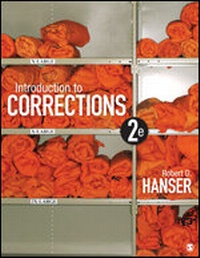
Introduction to Corrections
2nd Edition
Published on 23. March 2016
Book
Paperback/Softback
512 pages
978-1-5063-0675-9 (ISBN)
Description
Provide your students with a strong foundation in the field of corrections using modern research, theoretical origins, and practical application.
Reviews / Votes
"This book gives a well thought-out perspective on clients and staff; and simplifies the information for each student to understand the material presented" -- Gabriel Kovnator "[Strengths include] readability, organization, and practitioner focus" -- Patricia L. Donze, J.D. Ph.D. "Very thorough and comprehensive, [Introduction to Corrections] provides a good balance between the big picture policy and societal issues with the more specific things those working in corrections on a day to day basis are faced with." -- David E. Olson, Ph.D. "Clearly the greatest strength of this text is that the author has been and, I get the sense still is, a correctional practitioner that is nevertheless well schooled in the social science literature." -- Joseph V. Williams "[Strengths include] breadth of information, clarity of text, and ancillary resources for students" -- Jane C. Daquin, M.S "The text presented accurate information. In addition, it possesses different areas that other text are missing such as "What Would You Do" section." -- James R. Jones, Ph.D. "The book is well written with the focus from a practical perspective. For the most part, the presentation of the chapters was very nice (pictures, etc.) I actually liked the interactive book and am considering this as an idea to build an online course because the book contains all the extras that could enhance the online experience" -- Nancy L. HoganMore details
Edition
2nd Revised edition
Language
English
Place of publication
Thousand Oaks
United States
Target group
College/higher education
Edition type
Revised edition
Dimensions
Height: 279 mm
Width: 216 mm
Weight
1037 gr
ISBN-13
978-1-5063-0675-9 (9781506306759)
Copyright in bibliographic data and cover images is held by Nielsen Book Services Limited or by the publishers or by their respective licensors: all rights reserved.
Schweitzer Classification
Other editions
Previous edition
Robert D. Hanser
Introduction to Corrections
Book
11/2012
1st Edition
SAGE Publications Inc
€106.78
Article exhausted; check for reprint
Person
Robert D. Hanser is a past professor of criminal justice and the coordinator of the Criminal Justice program at the University of Louisiana at Monroe. He is now a professor of Marriage and Family Therapy at the University of Louisiana at Monroe. Dr. Hanser has a PhD in marriage and family therapy and a PhD in criminal justice. He is a national certified counselor, a licensed professional counselor in the states of Louisiana and Texas, a licensed addiction counselor, a certified hypnotherapist, and a certified anger management therapist. He is the President Elect for the Louisiana Marriage and Family Counselor chapter of the Louisiana Counseling Association. He is also the Board President for the Arkansas Association for the Treatment and Prevention of Sexual Abuse (AR-ATSA). He holds a gubernatorial appointment on the Reentry Advisory Council of Louisiana, serves on the Board of Directors of the Louisiana Coalition Against Domestic Violence (LCADV), a member of the Louisiana Domestic Abuse Fatality Review (LADAFR) board. has been appointed to the Professional Educational Counsel with the American Correctional Association (ACA), and is an Executive Counselor for the Corrections section for the Academy of Criminal Justice Sciences (ACJS). He is a past member of the 4th Judicial District's Youth Services Planning Board, a past therapeutic director of the 4th Judicial District Drug Court, and is the director of the Northeast Louisiana Batterer's Intervention Program. For fourteen years, he was the Clinical Director for New Day Recovery with facilities in West Monroe and Shreveport. In addition, for 13 years, he was the program director at Richwood Correctional Center (RCC), Madison Parish Correctional Center (MPCC), and the Louisiana Transitional Center for Women (LTCW). He has written Introduction to Corrections (3rd ed.), Community Corrections (2nd ed.), Correctional Counseling, Multiculturalism in the Criminal Justice System, Special Needs Offenders, and over 65 other textbooks, anthologies, and peer-reviewed articles.
Content
PART I: FOUNDATIONS OF CORRECTIONS
Chapter 1: Early History of Punishment and the Development of Prisons in the United States
Defining Corrections: A Variety of Possibilities
The Notion of Punishment and Corrections Throughout History
The Enlightenment and Correctional Reform
Punishment During Early American History: 1700s-1800s
The Age of the Reformatory in America
Prisons in America: 1900s to the end of World War II
Modern Day Systems: Federal and State Inmate Characteristics
Chapter 2: Ideological and Theoretical Underpinnings to Corrections
Philosophical Underpinnings
Types of Sanctions
Sentencing Models
Criminological Theories and Corrections
Chapter 3: Correctional Law and Legal Liabilities
The Hands-Off Doctrine
The Emergence of Inmate Rights
Corrections and the Constitution
A Restrained Hands-On Perspective and Court Deference to Prisons
State and Federal Legal Liabilities
Compliance With Judicial Orders
PART II: CORRECTIONAL PRACTICES
Chapter 4: Jail and Detention Facilities
Jails in the Past
The Modern Jail
Jails as Short-Term Institutions
Jails as Long-Term Facilities
Health Care in Jails
Jail Training Standards
Specialized Types of Jail Sentences
Special Issues in Jails
Chapter 5: Probation
Probation When the Jail Is Full
A Brief History of Probation
The Administration of Probation
Probation Officers
Probation Revocation
Chapter 6: Intermediate Sanctions
Types of Intermediate Sanctions
Methods of Ensuring Compliance
Intermediate Sanctions in Different States
Chapter 7: Correctional Facilities
Prison Facility Designs Throughout History
The Rise of the Supermax
Accommodations for Inmates With Disabilities
Protective Custody Sections
Innovative Security Designs
Internal Security
Auxiliary Services and Physical Security
Technology Systems in Prisons
Chapter 8: Classification and Custody Levels
History of Classification
Rationale for Classification
The Goals of Classification Systems
Elements of All Classification Systems
Special Housing Assignments
Chapter 9: Prison Subculture and Prison Gang Influence
Theories of Prison Subculture
The Inmate Subculture of Modern Times
The Impact of the Inmate Subculture on Corrections Staff
Prisonization
The Guard Subculture
The Impact of Gangs Upon Prison Subculture
Major Prison Gangs in the United States
Chapter 10: Female Offenders in Correctional Systems
Female Offenders Behind Bars: A Detailed Look at Percentages and Rates
History of Women Behind Bars
Issues Related to the Modern-Day Female Offender Population
Considerations for Female Offenders
Conditions of Care for Female Offenders
Female Offenders and Treatment Implications
Chapter 11: Specialized Inmate Populations
Administrative Considerations
Prison Subculture and Special Needs Offenders
Mentally Ill Offenders
Sex Offenders
HIV/AIDS-Related Offenders
Elderly Offenders
Chapter 12: Juvenile Correctional Systems
History of Juvenile Corrections
Legal Precepts and Orientation of the Juvenile Justice System
Screening and Classification of Juvenile Offenders
Commonality of Juvenile as Victim of Prior Abuse
Female Juveniles in Custody
Juvenile Gang Members
Detention Versus Incarceration
Incarceration of Juveniles
Chapter 13: Correctional Administration
Federal Bureau of Prisons Administration
Correctional System Administration
Levels of Prison Management
Styles of Management
Management Versus Leadership
Women in Correctional Management
The Corrections Workforce
Emergency Management
Chapter 14: Prison Programming
Basic Prison Services
Educational Programs
Prison Work Programs
Drug Treatment Programs
Recreational Programs
Religious Programs
Chapter 15: Parole and Reintegration
Parole and Parolee Characteristics
The Beginning History of Parole
Parole at the State Level
Parole as the Correctional Release Valve for Prisons
The Role of Institutional Parole Officers
Common Conditions of Parole
Reentry Initiatives
PART III: ISSUES AND TRENDS IN CORRECTIONS
Chapter 16: The Death Penalty
Constitutionality of the Death Penalty
Death Row Statistics
Methods of Execution
Arguments For and Against the Death Penalty
Chapter 17: Program Evaluation, Evidence-Based Practices, and Future Trends in Corrections
Evaluation Research
Evidence-Based Practices
The Future of Corrections
Chapter 1: Early History of Punishment and the Development of Prisons in the United States
Defining Corrections: A Variety of Possibilities
The Notion of Punishment and Corrections Throughout History
The Enlightenment and Correctional Reform
Punishment During Early American History: 1700s-1800s
The Age of the Reformatory in America
Prisons in America: 1900s to the end of World War II
Modern Day Systems: Federal and State Inmate Characteristics
Chapter 2: Ideological and Theoretical Underpinnings to Corrections
Philosophical Underpinnings
Types of Sanctions
Sentencing Models
Criminological Theories and Corrections
Chapter 3: Correctional Law and Legal Liabilities
The Hands-Off Doctrine
The Emergence of Inmate Rights
Corrections and the Constitution
A Restrained Hands-On Perspective and Court Deference to Prisons
State and Federal Legal Liabilities
Compliance With Judicial Orders
PART II: CORRECTIONAL PRACTICES
Chapter 4: Jail and Detention Facilities
Jails in the Past
The Modern Jail
Jails as Short-Term Institutions
Jails as Long-Term Facilities
Health Care in Jails
Jail Training Standards
Specialized Types of Jail Sentences
Special Issues in Jails
Chapter 5: Probation
Probation When the Jail Is Full
A Brief History of Probation
The Administration of Probation
Probation Officers
Probation Revocation
Chapter 6: Intermediate Sanctions
Types of Intermediate Sanctions
Methods of Ensuring Compliance
Intermediate Sanctions in Different States
Chapter 7: Correctional Facilities
Prison Facility Designs Throughout History
The Rise of the Supermax
Accommodations for Inmates With Disabilities
Protective Custody Sections
Innovative Security Designs
Internal Security
Auxiliary Services and Physical Security
Technology Systems in Prisons
Chapter 8: Classification and Custody Levels
History of Classification
Rationale for Classification
The Goals of Classification Systems
Elements of All Classification Systems
Special Housing Assignments
Chapter 9: Prison Subculture and Prison Gang Influence
Theories of Prison Subculture
The Inmate Subculture of Modern Times
The Impact of the Inmate Subculture on Corrections Staff
Prisonization
The Guard Subculture
The Impact of Gangs Upon Prison Subculture
Major Prison Gangs in the United States
Chapter 10: Female Offenders in Correctional Systems
Female Offenders Behind Bars: A Detailed Look at Percentages and Rates
History of Women Behind Bars
Issues Related to the Modern-Day Female Offender Population
Considerations for Female Offenders
Conditions of Care for Female Offenders
Female Offenders and Treatment Implications
Chapter 11: Specialized Inmate Populations
Administrative Considerations
Prison Subculture and Special Needs Offenders
Mentally Ill Offenders
Sex Offenders
HIV/AIDS-Related Offenders
Elderly Offenders
Chapter 12: Juvenile Correctional Systems
History of Juvenile Corrections
Legal Precepts and Orientation of the Juvenile Justice System
Screening and Classification of Juvenile Offenders
Commonality of Juvenile as Victim of Prior Abuse
Female Juveniles in Custody
Juvenile Gang Members
Detention Versus Incarceration
Incarceration of Juveniles
Chapter 13: Correctional Administration
Federal Bureau of Prisons Administration
Correctional System Administration
Levels of Prison Management
Styles of Management
Management Versus Leadership
Women in Correctional Management
The Corrections Workforce
Emergency Management
Chapter 14: Prison Programming
Basic Prison Services
Educational Programs
Prison Work Programs
Drug Treatment Programs
Recreational Programs
Religious Programs
Chapter 15: Parole and Reintegration
Parole and Parolee Characteristics
The Beginning History of Parole
Parole at the State Level
Parole as the Correctional Release Valve for Prisons
The Role of Institutional Parole Officers
Common Conditions of Parole
Reentry Initiatives
PART III: ISSUES AND TRENDS IN CORRECTIONS
Chapter 16: The Death Penalty
Constitutionality of the Death Penalty
Death Row Statistics
Methods of Execution
Arguments For and Against the Death Penalty
Chapter 17: Program Evaluation, Evidence-Based Practices, and Future Trends in Corrections
Evaluation Research
Evidence-Based Practices
The Future of Corrections