

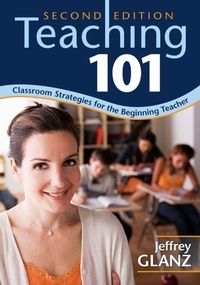
Teaching 101
Classroom Strategies for the Beginning Teacher
2nd Edition
Published on 7. July 2009
Book
Paperback/Softback
328 pages
978-1-4129-6715-0 (ISBN)
Description
"One of the richest books I have ever read for beginning teachers. Even veteran teachers will get a lot out of it. I really wish I had a book like this when I was a student teacher."
-Julie Wakefield, Social Studies Teacher
Robert McQueen High School, Sparks, NV
Reflect on the art of teaching to develop your skills and expand your horizons!
The noble profession of teaching plays a vital role in inspiring students to achieve excellence. This new edition of one of the most comprehensive introductions to teaching available provides essential knowledge and actively engages new teachers in practice to become an exceptional teacher.
Easy to understand and practical, this wide-ranging guide provides tools such as questions and activities at the end of each chapter, Web sites and vital readings for further study, and a self-assessment instrument to help readers succeed in their first year. The second edition includes more information on curriculum development and technology, more sample lesson plans, a new section on bullying, new activity sheets, and many checklists with immediate application procedures. The book is packed with helpful suggestions on topics such as:
Lesson planning
Classroom management
Differentiating instruction
Standards
Assessment and grading
Literacy
Cooperative learning
Inclusion
National Board certification
Teaching 101 is an invaluable resource that teachers can reference throughout their careers to expand their skills and perspectives.
-Julie Wakefield, Social Studies Teacher
Robert McQueen High School, Sparks, NV
Reflect on the art of teaching to develop your skills and expand your horizons!
The noble profession of teaching plays a vital role in inspiring students to achieve excellence. This new edition of one of the most comprehensive introductions to teaching available provides essential knowledge and actively engages new teachers in practice to become an exceptional teacher.
Easy to understand and practical, this wide-ranging guide provides tools such as questions and activities at the end of each chapter, Web sites and vital readings for further study, and a self-assessment instrument to help readers succeed in their first year. The second edition includes more information on curriculum development and technology, more sample lesson plans, a new section on bullying, new activity sheets, and many checklists with immediate application procedures. The book is packed with helpful suggestions on topics such as:
Lesson planning
Classroom management
Differentiating instruction
Standards
Assessment and grading
Literacy
Cooperative learning
Inclusion
National Board certification
Teaching 101 is an invaluable resource that teachers can reference throughout their careers to expand their skills and perspectives.
Reviews / Votes
"Provides many practical, pertinent, and useful ideas. These easy-to-implement ideas will help new teachers feel more secure and in charge." -- Nancy L. Cook, Associate Professor of Education "Contains excellent examples, vignettes, cases, and stories. Student teachers want to hear real-life stories and examples from those in the field, and this book delivers. The authors turn technical and theoretical concepts into practical applications in an easy-to-understand style. A must-read for every student who wants to become a teacher and every first-year teacher in the field." -- Jennifer Crissman Ishler, Assistant Professor of Education "I intend to recommend this book to my school's leadership committee for use during teacher induction. The opportunities for reflection make this an excellent resource and self-evaluation tool for educators as well as administrators. The concise presentation of material also makes it a useful and realistic read for busy educators." -- Elena Vo, Lead ESOL Teacher "One of the richest books I have ever read for beginning teachers. Even veteran teachers will get a lot out of it. I really wish I had a book like this when I was a student teacher." -- Julie Wakefield, Social Studies Teacher "This book should be read three times: as course material for student teachers, during the first year of teaching, and again in the third year of teaching when experience will allow you to consider more perspectives as you form your own answers to the questions addressed in the book." -- Jennifer Wilson, Third-Grade TeacherMore details
Edition
2nd Revised edition
Language
English
Place of publication
Thousand Oaks
United States
Publishing group
SAGE Publications Inc
Target group
Professional and scholarly
Edition type
Revised edition
Dimensions
Height: 254 mm
Width: 178 mm
Thickness: 18 mm
Weight
619 gr
ISBN-13
978-1-4129-6715-0 (9781412967150)
Copyright in bibliographic data and cover images is held by Nielsen Book Services Limited or by the publishers or by their respective licensors: all rights reserved.
Schweitzer Classification
Other editions
Additional editions
Book
06/2009
2nd Edition
Corwin Press Inc
€115.32
Shipment within 10-20 days
Previous edition
Book
02/2004
1st Edition
Corwin Press Inc
€47.22
Article exhausted; check for reprint
Person
Jeffrey Glanz currently serves as a Senior Fellow at the Institute for University-School Partnership, Director of the Masters Program and the Raine and Stanley Silverstein Chair in Professional Ethics and Values at the Azrieli Graduate School of Jewish Education and Administration at Yeshiva University. Prior to coming to YU, Dr. Glanz served as Dean of Graduate Programs and Chair of the Department of Education at Wagner College in Staten Island, New York. He also coordinated the educational leadership program that led to New York State certification as a principal and assistant principal. Prior to arriving at Wagner, he served as executive assistant to the president of Kean University in Union, New Jersey. Dr. Glanz held faculty status as a tenured professor in the Department of Instruction and Educational Leadership at Kean University's College of Education. He was named Graduate Teacher of the Year in 1999 by the Student Graduate Association and was also that year's recipient of the Presidential Award for Outstanding Scholarship. He served as a teacher and assistant principal in the New York City public schools. He has conducted numerous workshops and seminars internationally. Dr. Glanz has authored, coauthored, and co-edited 20 books and has many peer-reviewed article publications.
Content
Preface to the Second Edition
Acknowledgments
About the Author
Activity 1
1. Why Does Teaching Matter?
Focus Questions
Follow-Up Questions/Activities
Activity 2
2. What Makes a Good Teacher?
Focus Questions
Teaching Idea #1: Are You a Good Teacher?
Teaching Idea #2: Seven Research-Based Findings About the Qualities of an Effective Teacher
Teaching Idea #3: What Makes an Effective Teacher?
Teaching Idea #4: Three Approaches to Teaching
Teaching Idea #5: Four of the Most Essential Concepts That Affect Student Achievement
Teaching Idea #6: An Important Quality of a Good Teacher
Teaching Idea #7: Another Important Quality of a Good Teacher
Teaching Idea #8: A Final Quality of a Good Teacher
Teaching Idea #9: A Good Teacher Must Use Wait Time Effectively
Teaching Idea #10: Questioning Strategies
Teaching Idea #11: Good Teachers Incorporate Literacy Strategies Whenever Feasible, Five Literacy Strategies That Work
Teaching Idea #12: Good Teachers Encourage "Hands-On" and "Minds-On" Learning
Teaching Idea #13: Good Teachers Employ K-W-L
Teaching Idea #14: Good Teachers Get Parents on Their Side: 10 Ways
Conclusion
Follow-Up Questions/Activities
Activity 3
3. Who Are the Students in My Class?
Focus Questions
Student Idea #1: What Do I Need to Know About My Students?
Student Idea #2: All Students Have Five Basic Needs
Student Idea #3: Children Need Attention and Much More . . .
Student Idea #4: Role of Race, Gender, Sexual Orientation, and Social Class
Student Idea #5: Hatred, Bigotry, and Prejudice
Student Idea #6: Bullying
Student Idea #7: Students With Learning Disabilities
Student Idea #8: Are You a Culturally Relevant Teacher?
Student Idea #9: Different Ways of Learning
Student Idea #10: Differentiating Instruction, But How Can I Meet the Needs of All My Students?
Student Idea #11: The Challenge of Inclusion
Conclusion
Follow-Up Questions/Activities
Activity 4
4. How Should I Write Lesson Plans?
Focus Questions
Lesson Plan Idea #1: Understanding the Lesson Plan
Lesson Plan Idea #2: Essential Components and Criteria of a Successful Lesson
Lesson Plan Idea #3: Sample Lesson Plans
Conclusion
Follow-Up Questions/Activities
Activity 5
5. Can I Effectively Manage My Classroom?
Focus Questions
Classroom Management Idea #1: Basic Terms and Elements
Classroom Management Idea #2: Developing Your Personal System of Discipline
Classroom Management Idea #3: A Sample Discipline Plan
Follow-Up Questions/Activities
Activity 6
6. How Can I Help My Students Learn?
Focus Questions
Helping My Students Idea #1: Simple Strategies for the Early Grades
Helping My Students Idea #2: Simple Strategies on How to Improve Learning
Helping My Students Idea #3: Simple Strategies on How to Improve Study Skills
Helping My Students Idea #4: Simple Strategies on How to Read Material From a Chapter or Book
Helping My Students Idea #5: Cooperative Learning
Conclusion
Follow-Up Questions/Activities
Activity 7
7. How Should I Assess and Grade My Students?
Focus Questions
Assessment Idea #1: Assessment Basics
Assessment Idea #2: Some Fundamental Principles of Assessment
Assessment Idea #3: Constructing Classroom Tests
Assessment Idea #4: Using Portfolio Assessment?
Conclusion
Follow-Up Questions/Activities
Activity 8
8. How Can I Best Incorporate State and District Curriculum Standards?
Focus Questions
Standards Idea #1: What Is Curriculum Development?
Standards Idea #2: Testing and Standards Movement
Standards Idea #3: Suggestions for Implementing Standards
Conclusion
Follow-Up Questions/Activities
Activity 9
9. How Can I Begin to Incorporate Technology Into My Teaching?
Focus Questions
Teachnology Idea #1: K-12 Technology Standards
Teachnology Idea #2: Profiles for Technology-Literate Students
Teachnology Idea #3: The Internet as a Teaching Tool
Teachnology Idea #4: Criteria for Evaluating World Wide Web Sites
Teachnology Idea #5: Criteria for Evaluating Software Programs
Teachnology Idea #6: Use of PowerPoint in the Classroom
Abstract and Rationale
My Year of the Rooster
Conclusion
Follow-Up Questions/Activities
Closing Comments
Appendix A: Annotated Bibliography
Appendix B: Some of the Best Web Sites for Teachers
Appendix C: Self-Assessment Instrument
Appendix D: Teacher's Suggestions Exchange Forum
References
Index
Acknowledgments
About the Author
Activity 1
1. Why Does Teaching Matter?
Focus Questions
Follow-Up Questions/Activities
Activity 2
2. What Makes a Good Teacher?
Focus Questions
Teaching Idea #1: Are You a Good Teacher?
Teaching Idea #2: Seven Research-Based Findings About the Qualities of an Effective Teacher
Teaching Idea #3: What Makes an Effective Teacher?
Teaching Idea #4: Three Approaches to Teaching
Teaching Idea #5: Four of the Most Essential Concepts That Affect Student Achievement
Teaching Idea #6: An Important Quality of a Good Teacher
Teaching Idea #7: Another Important Quality of a Good Teacher
Teaching Idea #8: A Final Quality of a Good Teacher
Teaching Idea #9: A Good Teacher Must Use Wait Time Effectively
Teaching Idea #10: Questioning Strategies
Teaching Idea #11: Good Teachers Incorporate Literacy Strategies Whenever Feasible, Five Literacy Strategies That Work
Teaching Idea #12: Good Teachers Encourage "Hands-On" and "Minds-On" Learning
Teaching Idea #13: Good Teachers Employ K-W-L
Teaching Idea #14: Good Teachers Get Parents on Their Side: 10 Ways
Conclusion
Follow-Up Questions/Activities
Activity 3
3. Who Are the Students in My Class?
Focus Questions
Student Idea #1: What Do I Need to Know About My Students?
Student Idea #2: All Students Have Five Basic Needs
Student Idea #3: Children Need Attention and Much More . . .
Student Idea #4: Role of Race, Gender, Sexual Orientation, and Social Class
Student Idea #5: Hatred, Bigotry, and Prejudice
Student Idea #6: Bullying
Student Idea #7: Students With Learning Disabilities
Student Idea #8: Are You a Culturally Relevant Teacher?
Student Idea #9: Different Ways of Learning
Student Idea #10: Differentiating Instruction, But How Can I Meet the Needs of All My Students?
Student Idea #11: The Challenge of Inclusion
Conclusion
Follow-Up Questions/Activities
Activity 4
4. How Should I Write Lesson Plans?
Focus Questions
Lesson Plan Idea #1: Understanding the Lesson Plan
Lesson Plan Idea #2: Essential Components and Criteria of a Successful Lesson
Lesson Plan Idea #3: Sample Lesson Plans
Conclusion
Follow-Up Questions/Activities
Activity 5
5. Can I Effectively Manage My Classroom?
Focus Questions
Classroom Management Idea #1: Basic Terms and Elements
Classroom Management Idea #2: Developing Your Personal System of Discipline
Classroom Management Idea #3: A Sample Discipline Plan
Follow-Up Questions/Activities
Activity 6
6. How Can I Help My Students Learn?
Focus Questions
Helping My Students Idea #1: Simple Strategies for the Early Grades
Helping My Students Idea #2: Simple Strategies on How to Improve Learning
Helping My Students Idea #3: Simple Strategies on How to Improve Study Skills
Helping My Students Idea #4: Simple Strategies on How to Read Material From a Chapter or Book
Helping My Students Idea #5: Cooperative Learning
Conclusion
Follow-Up Questions/Activities
Activity 7
7. How Should I Assess and Grade My Students?
Focus Questions
Assessment Idea #1: Assessment Basics
Assessment Idea #2: Some Fundamental Principles of Assessment
Assessment Idea #3: Constructing Classroom Tests
Assessment Idea #4: Using Portfolio Assessment?
Conclusion
Follow-Up Questions/Activities
Activity 8
8. How Can I Best Incorporate State and District Curriculum Standards?
Focus Questions
Standards Idea #1: What Is Curriculum Development?
Standards Idea #2: Testing and Standards Movement
Standards Idea #3: Suggestions for Implementing Standards
Conclusion
Follow-Up Questions/Activities
Activity 9
9. How Can I Begin to Incorporate Technology Into My Teaching?
Focus Questions
Teachnology Idea #1: K-12 Technology Standards
Teachnology Idea #2: Profiles for Technology-Literate Students
Teachnology Idea #3: The Internet as a Teaching Tool
Teachnology Idea #4: Criteria for Evaluating World Wide Web Sites
Teachnology Idea #5: Criteria for Evaluating Software Programs
Teachnology Idea #6: Use of PowerPoint in the Classroom
Abstract and Rationale
My Year of the Rooster
Conclusion
Follow-Up Questions/Activities
Closing Comments
Appendix A: Annotated Bibliography
Appendix B: Some of the Best Web Sites for Teachers
Appendix C: Self-Assessment Instrument
Appendix D: Teacher's Suggestions Exchange Forum
References
Index