

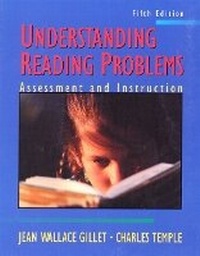
Understanding Reading Problems
Assessment and Instruction
5th Edition
Published on 9. December 1999
Book
Hardback
452 pages
978-0-321-01333-0 (ISBN)
Description
This market-leading text helps teachers create engaged readers at all age levels, from primary grades through adolescence, through its comprehensive exploration of strategies for reading assessment and instruction. Heavily revised, the new edition maintains its focus on struggling readers and emphasizes classroom-based, rather than clinical, approaches. Understanding Reading Problems, 5/e, integrates case studies and a reader friendly style with the latest research.
Reviews / Votes
"The new edition maintains the clear and appropriate level of writing that attracted me to this book initially...I also like very much the addition of a chapter on helping children who are not fluent in English learn to read and write." - Mariam Jean Dreher, University of Maryland"The strategies included in the book are excellent and explained well. This gives in-service and pre-service teachers many tools they can us to help students learn to be better readers and writers." - Ellen Jampole, SUNY-Cortland
More details
Edition
5th edition
Language
English
Place of publication
United States
Publishing group
Pearson Education (US)
Target group
Professional and scholarly
Dimensions
Height: 235 mm
Width: 191 mm
Weight
1000 gr
ISBN-13
978-0-321-01333-0 (9780321013330)
Copyright in bibliographic data and cover images is held by Nielsen Book Services Limited or by the publishers or by their respective licensors: all rights reserved.
Schweitzer Classification
Other editions
New editions
Jean Wallace Gillet | Charles A. Temple | Alan N. Crawford
Understanding Reading Problems
Assessment and Instruction
Book
01/2004
6th Edition
Pearson
€93.03
Article exhausted; check for reprint
Persons
JEAN WALLACE GILLET has been a classroom teacher, reading specialist, and university educator. She is currently an elementary reading specialist and teaches undergraduate and graduate reading courses in Charlottesville, VA. She has co-authored several widely-used college texts, is senior author of an elementary spelling series, and has been a staff development consultant to dozens of school districts.
CHARLES TEMPLE is Professor of Education at the College of William and Mary. He taught for seventeen years at Hobart and William Smith Colleges, and is the author of many books on literacy and several books for children. He currently is co-Director of the Reading and Writing for Critical Thinking Project, a teacher education project active in twenty countries in central Europe and Asia.
CHARLES TEMPLE is Professor of Education at the College of William and Mary. He taught for seventeen years at Hobart and William Smith Colleges, and is the author of many books on literacy and several books for children. He currently is co-Director of the Reading and Writing for Critical Thinking Project, a teacher education project active in twenty countries in central Europe and Asia.
Content
(Each chapter concludes with a Summary and References.).I. ASSESSMENT.
1. Reading and Its Assessment.
What Teachers Need to Know about Reading Assessment.
The Reading Process and Reading Problems.
Changing Trends in Assessment.
2. Assessment for Internal Audiences: On-going Assessment.
Running Records.
Observations for Reading Behaviors and Strategies.
Monitoring Types and Difficulty of Texts Read.
Close Procedures.
Monitoring Spelling Progress and Problems.
Monitoring Growth in Writing.
3. Assessment for Internal Audiences: Periodic In-Depth Assessments.
Levels of Reading Ability.
Informal Reading Inventories.
Administering an Informal Reading Inventory.
Scoring an Informal Reading Inventory.
Interpreting an Informal Reading Inventory.
Supplementing Informal Assessments.
4. Assessment for Internal Audiences: Portfolio Assessment.
Perspectives on Authentic Assessment and Evaluation.
Why Keep Portfolios?
Beginning a Portfolio Program.
Keeping Portfolios.
Evaluating Portfolios.
Portfolio Conferences.
Reproducible Forms.
5. Assessment for External Audiences: Formal Measures.
Understanding Formal Tests.
Characteristics of Tests.
Interpreting Test Results.
Norm-Referenced Tests.
Criterion-Referenced Tests.
Minimum Competency Testing.
Sources of Test Information.
II. INSTRUCTION.
6. Emergent and Beginning Literacy.
Different Conceptions of Early Literacy.
The Transition from Emergent Literacy to Beginning Reading.
Understanding and Assessing Emergent and Beginning Literacy.
Teaching for Emergent and Beginning Literacy.
Reading Storybooks.
Little Books.
Series Books.
Teaching Print Orientation Concepts.
Teaching the Alphabet.
Teaching the Concept of Word.
Exercises to Develop Phonemic Awareness.
Exercises to Teach Word Recognition and Letter-to-Sound Correspondences.
Teaching for Comprehension.
Early Intervention Programs.
7. Assessing and Teaching Developing Readers.
Introduction.
Developing Sight Vocabulary.
Support Reading: Echo and Choral Reading.
Developing Reading Fluency.
Repeated Readings for Fluency.
Developing Word Analysis Strategies.
Developing Reading Comprehension.
Developing Listening Comprehension.
Time Spent Reading.
8. Mature Readers and Writers.
From Learning-to-Read to Reading-to-Learn.
A Model of Instruction to Guide Reading-to-Learn.
Strategies for the Anticipation Phase.
Strategies for the Investigation Phase.
Strategies for the Reflection Phase.
Understanding Patterns of Text Organization.
Vocabulary.
9. Adolescent Readers with Reading Problems.
Guiding Principles and Theories.
Classifying the Adolescent Student with Reading Problems.
10. Strategies for Teaching Reading and Writing to English Learners.
The Context of Teaching English Learners to Read and Write.
Second Language Acquisition.
Teaching English Learners to Read and Write in English.
Scaffolding Strategies for Improving Reading Comprehension.
Some Issues in Assessing the Reading and Writing of English Learners.
11. Assessing Factors Related to Reading Problems.
Philosophical and Legal Issues Related to Special-Needs Students.
Intellectual Factors.
Physical Factors.
Language Difficulties and Disorders.
Special Learning Problems.
Acknowledgements.
Index.
1. Reading and Its Assessment.
What Teachers Need to Know about Reading Assessment.
The Reading Process and Reading Problems.
Changing Trends in Assessment.
2. Assessment for Internal Audiences: On-going Assessment.
Running Records.
Observations for Reading Behaviors and Strategies.
Monitoring Types and Difficulty of Texts Read.
Close Procedures.
Monitoring Spelling Progress and Problems.
Monitoring Growth in Writing.
3. Assessment for Internal Audiences: Periodic In-Depth Assessments.
Levels of Reading Ability.
Informal Reading Inventories.
Administering an Informal Reading Inventory.
Scoring an Informal Reading Inventory.
Interpreting an Informal Reading Inventory.
Supplementing Informal Assessments.
4. Assessment for Internal Audiences: Portfolio Assessment.
Perspectives on Authentic Assessment and Evaluation.
Why Keep Portfolios?
Beginning a Portfolio Program.
Keeping Portfolios.
Evaluating Portfolios.
Portfolio Conferences.
Reproducible Forms.
5. Assessment for External Audiences: Formal Measures.
Understanding Formal Tests.
Characteristics of Tests.
Interpreting Test Results.
Norm-Referenced Tests.
Criterion-Referenced Tests.
Minimum Competency Testing.
Sources of Test Information.
II. INSTRUCTION.
6. Emergent and Beginning Literacy.
Different Conceptions of Early Literacy.
The Transition from Emergent Literacy to Beginning Reading.
Understanding and Assessing Emergent and Beginning Literacy.
Teaching for Emergent and Beginning Literacy.
Reading Storybooks.
Little Books.
Series Books.
Teaching Print Orientation Concepts.
Teaching the Alphabet.
Teaching the Concept of Word.
Exercises to Develop Phonemic Awareness.
Exercises to Teach Word Recognition and Letter-to-Sound Correspondences.
Teaching for Comprehension.
Early Intervention Programs.
7. Assessing and Teaching Developing Readers.
Introduction.
Developing Sight Vocabulary.
Support Reading: Echo and Choral Reading.
Developing Reading Fluency.
Repeated Readings for Fluency.
Developing Word Analysis Strategies.
Developing Reading Comprehension.
Developing Listening Comprehension.
Time Spent Reading.
8. Mature Readers and Writers.
From Learning-to-Read to Reading-to-Learn.
A Model of Instruction to Guide Reading-to-Learn.
Strategies for the Anticipation Phase.
Strategies for the Investigation Phase.
Strategies for the Reflection Phase.
Understanding Patterns of Text Organization.
Vocabulary.
9. Adolescent Readers with Reading Problems.
Guiding Principles and Theories.
Classifying the Adolescent Student with Reading Problems.
10. Strategies for Teaching Reading and Writing to English Learners.
The Context of Teaching English Learners to Read and Write.
Second Language Acquisition.
Teaching English Learners to Read and Write in English.
Scaffolding Strategies for Improving Reading Comprehension.
Some Issues in Assessing the Reading and Writing of English Learners.
11. Assessing Factors Related to Reading Problems.
Philosophical and Legal Issues Related to Special-Needs Students.
Intellectual Factors.
Physical Factors.
Language Difficulties and Disorders.
Special Learning Problems.
Acknowledgements.
Index.