

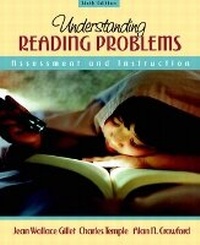
Understanding Reading Problems
Assessment and Instruction
6th Edition
Published on 15. January 2004
Book
Hardback
512 pages
978-0-205-38642-0 (ISBN)
Description
This market-leading text has been heavily revised while maintaining its focus on struggling readers and emphasizing classroom-based, teacher-driven approaches to assessment and remediation. Understanding Reading Problems, 6/e, integrates authentic vignettes and case studies and clear, vivid writing with the latest research. Expanded coverage of portfolio assessment, lexiles and guided reading levels, running records and other informal observation procedures, developmental spelling stages, emergent literacy assessments, assessing and teaching students with limited English proficiency, and practical strategies for adapting instruction for special-needs students in inclusion classrooms make the 6th edition the foremost text in its field.
More details
Edition
6th edition
Language
English
Place of publication
United States
Publishing group
Pearson Education (US)
Target group
Professional and scholarly
Dimensions
Width: 234 mm
Thickness: 30 mm
Weight
960 gr
ISBN-13
978-0-205-38642-0 (9780205386420)
Copyright in bibliographic data and cover images is held by Nielsen Book Services Limited or by the publishers or by their respective licensors: all rights reserved.
Schweitzer Classification
Other editions
New editions
Jean Wallace Gillet | Charles A. Temple | Alan N. Crawford
Understanding Reading Problems
Assessment and Instruction
Book
07/2007
7th Edition
Pearson
€116.55
Article exhausted; check for reprint
Previous edition
Book
12/1999
5th Edition
Pearson
€65.60
Article exhausted; check for reprint
Content
1. Reading and Its Assessment.
The Many Sides of Reading.
What Teachers Need to Know About Reading Assessment.
The Reading Process and Reading Problems.
Changing Trends in Assessment.
Summary.
References.
2. Assessment for Internal Audiences: On-Going Assessments.
Running Records.
Observations of Reading Behaviors and Strategies.
Monitoring Types and Difficulty of Texts Read.
Monitoring Spelling Progress.
Monitoring Writing Progress.
3. Assessment for Internal Audiences: Periodic In-Depth Assessments.
Chapter Outline.
Levels of Reading Ability.
The Informal Reading Inventory.
Administering an Informal Reading Inventory.
Scoring an Informal Reading Inventory.
Interpreting an Informal Reading Inventory
Supplementing Informal Assessments
4. Assessment for Internal Audiences: Portfolio Assessment.
Chapter Outline.
Perspectives on Authentic Assessment and Evaluation.
Why Keep Portfolios?
Beginning a Portfolio Program.
Keeping Portfolios.
Evaluating Portfolios.
Portfolio Conferences.
5. Assessment for External Audiences: Formal Measures.
Chapter Outline.
Understanding Formal Measures.
Characteristics of Tests.
Interpreting Test Results.
Norm-Referenced Tests.
Criterion-Referenced Tests.
State Standards and Assessment.
6. Emergent and Beginning Literacy.
Different Conceptions of Early Literacy.
Understanding and Assessing Emergent and Beginning Literacy.
Summary.
References.
7. Assessing and Teaching Developing Readers.
Introduction.
Case Study.
Phonics and Word Knowledge for Developing Readers.
Words With Grammatical Affixes.
Guiding Word Study.
Developing Sight Vocabulary.
Developing Reading Fluency.
Developing Word Analysis Strategies.
Vocabulary.
Developing Reading Comprehension.
Developing Listening Comprehension.
Time Spent Reading.
Summary.
References.
8. Mature Readers and Writers.
From Learning to Read to Reading to Learn.
A Model of Instruction to Guide Reading to Learn.
Strategies for the Anticipation Phase.
Strategies for the Investigation Phases.
Strategies for the Reflection Phase.
Understanding the Patterns of Text Organization.
Vocabulary.
9. Adolescent Students with Reading Problems.
Guiding Principles and Theories.
Classifying the Adolescent Student with Reading Problems.
Summary.
References.
10. Strategies for Teaching Reading and Writing to English Language Learners.
The Context of Teaching English Language Learners to Read and Write.
Second Language Acquisition.
Teaching English Language Learners to Read and Write in English.
Some Issues in Assessing the Reading and Writing of English Language Learners.
Summary.
References.
11. Factors Related to Reading Problems
Chapter Outline.
Philosophical and Legal Issues Related to Special-Needs Students.
Intellectual Factors.
Physical Factors.
Language Factors.
Special Learning Problems.
Designing Individualized Interventions.
The Many Sides of Reading.
What Teachers Need to Know About Reading Assessment.
The Reading Process and Reading Problems.
Changing Trends in Assessment.
Summary.
References.
2. Assessment for Internal Audiences: On-Going Assessments.
Running Records.
Observations of Reading Behaviors and Strategies.
Monitoring Types and Difficulty of Texts Read.
Monitoring Spelling Progress.
Monitoring Writing Progress.
3. Assessment for Internal Audiences: Periodic In-Depth Assessments.
Chapter Outline.
Levels of Reading Ability.
The Informal Reading Inventory.
Administering an Informal Reading Inventory.
Scoring an Informal Reading Inventory.
Interpreting an Informal Reading Inventory
Supplementing Informal Assessments
4. Assessment for Internal Audiences: Portfolio Assessment.
Chapter Outline.
Perspectives on Authentic Assessment and Evaluation.
Why Keep Portfolios?
Beginning a Portfolio Program.
Keeping Portfolios.
Evaluating Portfolios.
Portfolio Conferences.
5. Assessment for External Audiences: Formal Measures.
Chapter Outline.
Understanding Formal Measures.
Characteristics of Tests.
Interpreting Test Results.
Norm-Referenced Tests.
Criterion-Referenced Tests.
State Standards and Assessment.
6. Emergent and Beginning Literacy.
Different Conceptions of Early Literacy.
Understanding and Assessing Emergent and Beginning Literacy.
Summary.
References.
7. Assessing and Teaching Developing Readers.
Introduction.
Case Study.
Phonics and Word Knowledge for Developing Readers.
Words With Grammatical Affixes.
Guiding Word Study.
Developing Sight Vocabulary.
Developing Reading Fluency.
Developing Word Analysis Strategies.
Vocabulary.
Developing Reading Comprehension.
Developing Listening Comprehension.
Time Spent Reading.
Summary.
References.
8. Mature Readers and Writers.
From Learning to Read to Reading to Learn.
A Model of Instruction to Guide Reading to Learn.
Strategies for the Anticipation Phase.
Strategies for the Investigation Phases.
Strategies for the Reflection Phase.
Understanding the Patterns of Text Organization.
Vocabulary.
9. Adolescent Students with Reading Problems.
Guiding Principles and Theories.
Classifying the Adolescent Student with Reading Problems.
Summary.
References.
10. Strategies for Teaching Reading and Writing to English Language Learners.
The Context of Teaching English Language Learners to Read and Write.
Second Language Acquisition.
Teaching English Language Learners to Read and Write in English.
Some Issues in Assessing the Reading and Writing of English Language Learners.
Summary.
References.
11. Factors Related to Reading Problems
Chapter Outline.
Philosophical and Legal Issues Related to Special-Needs Students.
Intellectual Factors.
Physical Factors.
Language Factors.
Special Learning Problems.
Designing Individualized Interventions.