

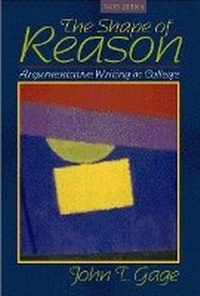
The Shape of Reason
Argumentative Writing in College
3rd Edition
Published on 1. March 2002
Book
Paperback/Softback
361 pages
978-0-205-31927-5 (ISBN)
Description
This brief rhetoric of argument teaches critical reading, informal reasoning, and writing as reasoned inquiry, and now features a mini-anthology of arguments on civic and ethical issues.
The Shape of Reason emphasizes the enthymeme as the central basis for the invention and structure of arguments. This approach blends classical insights into rhetorical reasoning with contemporary understandings of the composing process as generative and organic, situated within discourse communities. The book helps students understand argument as inquiry, stressing the responsibility that writers have - to their audience and to their own ideas - in structuring arguments that earn their conclusions and in considering opposing arguments.
The Shape of Reason emphasizes the enthymeme as the central basis for the invention and structure of arguments. This approach blends classical insights into rhetorical reasoning with contemporary understandings of the composing process as generative and organic, situated within discourse communities. The book helps students understand argument as inquiry, stressing the responsibility that writers have - to their audience and to their own ideas - in structuring arguments that earn their conclusions and in considering opposing arguments.
More details
Edition
3rd edition
Language
English
Place of publication
United States
Publishing group
Pearson Education (US)
Target group
Professional and scholarly
Dimensions
Height: 229 mm
Width: 152 mm
Weight
503 gr
ISBN-13
978-0-205-31927-5 (9780205319275)
Copyright in bibliographic data and cover images is held by Nielsen Book Services Limited or by the publishers or by their respective licensors: all rights reserved.
Schweitzer Classification
Other editions
New editions
Book
05/2005
4th Edition
Pearson
€63.13
Shipment within 10-20 days
Content
All chapters conclude with "Questions for Thought, Discussion, and Writing."
A Note to Students.
A Note to Instructors.
Acknowledgements.
PART ONE.
1.Writing and the College Community.
Discourse Communities.
Judgment and Writing.
This Book and You.
Purpose and Design.
Earned Conclusions.
2.Critical Reading.
How We Read.
A Case in Point.
Neil A. Lewis, Jackson Says Black English Isn't a Separate Language.
Oakland Unified School District, Synopsis of the Adopted Policy on Standard American English Language Development.
Reading and Belief.
Some Considerations for Critical Reading.
3.The Deep Structure of Reasoning.
On Dialectic.
The Interplay of Dualisms.
4.Asking Questions, Generating Ideas.
An Idea Worth Writing About.
Ideas in Context: Audience.
Stasis.
Stasis: Kinds of Questions at Issue.
Kinds of Inquiry.
What a Thesis Does.
The Need for Precision.
Generating Stasis Questions about Fiction.
Revising a Thesis.
5.Giving Reasons.
What a Reason Does.
The Enthymeme: Connecting Reasons and Conclusions.
Connecting the Enthymeme and Audience.
Informal Reasoning.
Exploring the Audience Connection.
Kinds of Appeal.
Relevance and Connectedness.
Relative Precision.
Circular Reasoning.
6.Developing Structures.
The Structural Enthymeme.
From Enthymeme to Structure.
From Structure to Essay: An Analysis.
7.Revising and Editing.
Revision and Style as Rethinking.
Obstacles to Revision.
Responding to Your Teacher's Comments.
Style and Attitudes.
Style and Clear Thinking.
Editing as Rethinking.
Proofreading.
8.Implications for Research.
Critical Reading and Research.
Asking Questions for Research.
Research and Reasons.
Structuring Research.
PART TWO
Readings for Analysis, Discussion, and Written Response.
Section One: Issues about the Limits of Civil Authority.
Plato, Crito.
Henry David Thoreau, Resistance to Civil Government.
Eight Birmingham Clergy, A Call for Unity.
Martin Luther King, Jr., Letter from Birmingham Jail.
Judi Bari, The Feminization of Earth First!
Lewis H. Van Dusen, Jr., Civil Disobedience: Destroyer of Democracy.
William E. Barrett, Senor Payroll.
Section Two: Issues about the Content of Education.
Mark Edmundson, On the Uses of a Liberal Education: As Lite Entertainment for Bored College Students.
Mindy Dodge, Revising Our College Education: Participation Is the Key.
Laura Lewis, The Truth about "The Truth."
Adrienne Rich, What Does a Woman Need to Know?
Anna Seaton Huntington, At Miss Porter's, Girls Are Taking on a Winning (Gasp!) Attitude.
Internet Forum on Jock Culture.
Robert Lipsyte, The Jock Culture: Time to Debate the Questions.
Responses from jg1937, orchid, amiante, dickmorr, amianti, shuarl.
David Frohnmayer, The New Tribalism.
Beverly Ajie, The American Dream.
Section Three: Issues about Language and Human Community.
Francis Bacon, The Four Idols.
George Orwell, Politics and the English Language.
Barbara Mellix, From Outside, In.
Forum on Ebonics.
Courtland Milloy, Accent on Human Potential.
Patricia Williams, The Hidden Meanings of "Black English."
Carolyn Temple Adger, Dialect Education: Not Only for Oakland.
Gloria Anzaldua, How to Tame a Wild Tongue.
James W. Earl, Feeding the Ancestors.
Section Four: Issues about Privacy and Biological Science.
Samuel D. Warren and Louis D. Brandeis, The Right to Privacy.
Ferdinand Schoeman, Privacy and Intimate Information.
Bernadine Healy, NIH, The Modern Wonder.
Forum from Nature on Cloning.
Axel Kahn, Clone Mammals ... Clone Man?
Declan Butler, Calls for Human Cloning Ban Stem from Ignorance.
John Harris, Is Cloning an Attack on Human Dignity?
Axel Kahn, Cloning, Dignity, and Ethical Revisionism.
Karim Labib, Don't Leave Dignity Out of the Cloning Debate.
John Harris, Cloning and Bioethical Thinking.
Octavia Butler, The Evening and the Morning and the Night.
A Note to Students.
A Note to Instructors.
Acknowledgements.
PART ONE.
1.Writing and the College Community.
Discourse Communities.
Judgment and Writing.
This Book and You.
Purpose and Design.
Earned Conclusions.
2.Critical Reading.
How We Read.
A Case in Point.
Neil A. Lewis, Jackson Says Black English Isn't a Separate Language.
Oakland Unified School District, Synopsis of the Adopted Policy on Standard American English Language Development.
Reading and Belief.
Some Considerations for Critical Reading.
3.The Deep Structure of Reasoning.
On Dialectic.
The Interplay of Dualisms.
4.Asking Questions, Generating Ideas.
An Idea Worth Writing About.
Ideas in Context: Audience.
Stasis.
Stasis: Kinds of Questions at Issue.
Kinds of Inquiry.
What a Thesis Does.
The Need for Precision.
Generating Stasis Questions about Fiction.
Revising a Thesis.
5.Giving Reasons.
What a Reason Does.
The Enthymeme: Connecting Reasons and Conclusions.
Connecting the Enthymeme and Audience.
Informal Reasoning.
Exploring the Audience Connection.
Kinds of Appeal.
Relevance and Connectedness.
Relative Precision.
Circular Reasoning.
6.Developing Structures.
The Structural Enthymeme.
From Enthymeme to Structure.
From Structure to Essay: An Analysis.
7.Revising and Editing.
Revision and Style as Rethinking.
Obstacles to Revision.
Responding to Your Teacher's Comments.
Style and Attitudes.
Style and Clear Thinking.
Editing as Rethinking.
Proofreading.
8.Implications for Research.
Critical Reading and Research.
Asking Questions for Research.
Research and Reasons.
Structuring Research.
PART TWO
Readings for Analysis, Discussion, and Written Response.
Section One: Issues about the Limits of Civil Authority.
Plato, Crito.
Henry David Thoreau, Resistance to Civil Government.
Eight Birmingham Clergy, A Call for Unity.
Martin Luther King, Jr., Letter from Birmingham Jail.
Judi Bari, The Feminization of Earth First!
Lewis H. Van Dusen, Jr., Civil Disobedience: Destroyer of Democracy.
William E. Barrett, Senor Payroll.
Section Two: Issues about the Content of Education.
Mark Edmundson, On the Uses of a Liberal Education: As Lite Entertainment for Bored College Students.
Mindy Dodge, Revising Our College Education: Participation Is the Key.
Laura Lewis, The Truth about "The Truth."
Adrienne Rich, What Does a Woman Need to Know?
Anna Seaton Huntington, At Miss Porter's, Girls Are Taking on a Winning (Gasp!) Attitude.
Internet Forum on Jock Culture.
Robert Lipsyte, The Jock Culture: Time to Debate the Questions.
Responses from jg1937, orchid, amiante, dickmorr, amianti, shuarl.
David Frohnmayer, The New Tribalism.
Beverly Ajie, The American Dream.
Section Three: Issues about Language and Human Community.
Francis Bacon, The Four Idols.
George Orwell, Politics and the English Language.
Barbara Mellix, From Outside, In.
Forum on Ebonics.
Courtland Milloy, Accent on Human Potential.
Patricia Williams, The Hidden Meanings of "Black English."
Carolyn Temple Adger, Dialect Education: Not Only for Oakland.
Gloria Anzaldua, How to Tame a Wild Tongue.
James W. Earl, Feeding the Ancestors.
Section Four: Issues about Privacy and Biological Science.
Samuel D. Warren and Louis D. Brandeis, The Right to Privacy.
Ferdinand Schoeman, Privacy and Intimate Information.
Bernadine Healy, NIH, The Modern Wonder.
Forum from Nature on Cloning.
Axel Kahn, Clone Mammals ... Clone Man?
Declan Butler, Calls for Human Cloning Ban Stem from Ignorance.
John Harris, Is Cloning an Attack on Human Dignity?
Axel Kahn, Cloning, Dignity, and Ethical Revisionism.
Karim Labib, Don't Leave Dignity Out of the Cloning Debate.
John Harris, Cloning and Bioethical Thinking.
Octavia Butler, The Evening and the Morning and the Night.