

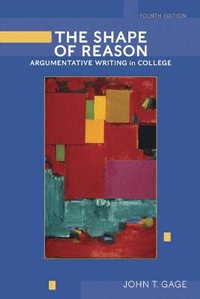
Shape of Reason, The
Argumentative Writing in College
4th Edition
Published on 31. May 2005
Book
Paperback/Softback
208 pages
978-0-321-32077-3 (ISBN)
Description
This brief, rhetoric of argument teaches critical reading, informal reasoning, and writing as reasoned inquiry, and now features a new collection of student arguments. The Shape of Reason emphasizes the enthymeme as the central basis for the invention and structuring of arguments. This approach blends classical insights into rhetorical reasoning with contemporary understandings of the composing process as generative and organic, situated within discourse communities. The book helps students understand argument as inquiry, stressing the responsibility that writers have-to their audience and to their own ideas-in structuring arguments that earn their conclusions and in considering opposing arguments.
More details
Other editions
Previous edition
Book
03/2002
3rd Edition
Pearson
€48.46
Article exhausted; check for reprint
Content
A Note to Students.
A Note to Instructors.
The Shape of Reason.
1. Writing and the College Community.
Discourse Communities.
Judgment and Writing.
This Book and You.
Purpose and Design.
Earned Conclusions.
Questions for Thought, Discussion, and Writing.
2. Critical Reading.
How We Read.
The Brady Problem.
Reading and Belief.
Some Considerations for Critical Reading.
Questions for Thought, Discussion, and Writing.
3. The Deep Structure of Reasoning.
Opposing Terms.
Assigning Value to Terms.
On Dialectic.
The Interplay of Dualisms.
Questions for Thought, Discussion, and Writing.
4. Ethical Argument.
Ideas in Conflict.
The Ethical Turn.
The Fairness Principle.
Some Ethical Precepts.
Making Ethical Choices.
Questions for Thought, Discussion, and Writing.
5. Asking Questions, Generating Ideas.
An Idea Worth Writing About.
Ideas in Context: Audience.
Questions at Issue.
Stasis: Kinds of Questions at Issue.
Kinds of Inquiry.
Visual Argument.
What a Thesis Does.
The Need for Precision.
Generating Questions about Fiction.
Revising a Thesis.
Questions for Thought, Discussion, and Writing.
6. Giving Reasons.
What a Reason Does.
The Enthymeme: Connecting Reasons and Conclusions.
Connecting the Enthymeme and the Audience.
Informal Reasoning.
Exploring the Audience Connection.
Kinds of Appeal.
Relevance and Connectedness.
Relative Precision.
Circular Reasoning.
Questions for Thought, Discussion, and Writing.
7. Developing Structures.
The Structural Enthymeme.
From Enthymeme to Structure.
Questions for Thought, Discussion, and Writing.
8. Revising and Editing.
Revision as Rethinking.
Obstacles to Revision.
Responding to Your Teacher's Comments.
Style and Attitudes.
Style and Clear Thinking.
Editing as Rethinking.
Proofreading.
Questions for Thought, Discussion, and Writing.
9. Implications for Research.
Research as Inquiry.
Critical Reading and Research.
Asking Questions for Research.
Research and Reasons.
Structuring Research.
Questions for Thought, Discussion, and Writing.
Appendix.
Essays by Student Writers.
Mindy Dodge, "Revising Our College Education: Participation Is the Key".
Todd Pittman, "Nonviolent Resistance: A More Courageous Show of Power".
Matthew Stewart, "A Beefed-up Industry".
Katie Fidler, "The Self-Imprisonment of American Society".
Forum on Zoos.
Zach Blume, "The Reality of Zoos".
Leah Brandt, "Zoos: The Evil Empires".
Devlin Timony-Balyeat, "The Education Experience of the American Zoo".
Forum on Art and Culture.
Katie Wright, "Funding for the Future".
Rosei Rocha-Judd, "The Seduction of Hyperrealism and Overblown Images".
Text Credits.
Photo Credits.
Index.
A Note to Instructors.
The Shape of Reason.
1. Writing and the College Community.
Discourse Communities.
Judgment and Writing.
This Book and You.
Purpose and Design.
Earned Conclusions.
Questions for Thought, Discussion, and Writing.
2. Critical Reading.
How We Read.
The Brady Problem.
Reading and Belief.
Some Considerations for Critical Reading.
Questions for Thought, Discussion, and Writing.
3. The Deep Structure of Reasoning.
Opposing Terms.
Assigning Value to Terms.
On Dialectic.
The Interplay of Dualisms.
Questions for Thought, Discussion, and Writing.
4. Ethical Argument.
Ideas in Conflict.
The Ethical Turn.
The Fairness Principle.
Some Ethical Precepts.
Making Ethical Choices.
Questions for Thought, Discussion, and Writing.
5. Asking Questions, Generating Ideas.
An Idea Worth Writing About.
Ideas in Context: Audience.
Questions at Issue.
Stasis: Kinds of Questions at Issue.
Kinds of Inquiry.
Visual Argument.
What a Thesis Does.
The Need for Precision.
Generating Questions about Fiction.
Revising a Thesis.
Questions for Thought, Discussion, and Writing.
6. Giving Reasons.
What a Reason Does.
The Enthymeme: Connecting Reasons and Conclusions.
Connecting the Enthymeme and the Audience.
Informal Reasoning.
Exploring the Audience Connection.
Kinds of Appeal.
Relevance and Connectedness.
Relative Precision.
Circular Reasoning.
Questions for Thought, Discussion, and Writing.
7. Developing Structures.
The Structural Enthymeme.
From Enthymeme to Structure.
Questions for Thought, Discussion, and Writing.
8. Revising and Editing.
Revision as Rethinking.
Obstacles to Revision.
Responding to Your Teacher's Comments.
Style and Attitudes.
Style and Clear Thinking.
Editing as Rethinking.
Proofreading.
Questions for Thought, Discussion, and Writing.
9. Implications for Research.
Research as Inquiry.
Critical Reading and Research.
Asking Questions for Research.
Research and Reasons.
Structuring Research.
Questions for Thought, Discussion, and Writing.
Appendix.
Essays by Student Writers.
Mindy Dodge, "Revising Our College Education: Participation Is the Key".
Todd Pittman, "Nonviolent Resistance: A More Courageous Show of Power".
Matthew Stewart, "A Beefed-up Industry".
Katie Fidler, "The Self-Imprisonment of American Society".
Forum on Zoos.
Zach Blume, "The Reality of Zoos".
Leah Brandt, "Zoos: The Evil Empires".
Devlin Timony-Balyeat, "The Education Experience of the American Zoo".
Forum on Art and Culture.
Katie Wright, "Funding for the Future".
Rosei Rocha-Judd, "The Seduction of Hyperrealism and Overblown Images".
Text Credits.
Photo Credits.
Index.