

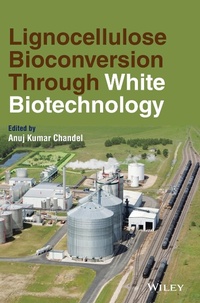
Lignocellulose Bioconversion through White Biotech nology
1st Edition
Published on 22. September 2022
Book
Hardback
416 pages
978-1-119-73595-3 (ISBN)
Description
Comprehensive resource summarizing the recent technological advancements in white biotechnology and biomass conversion into fuels, chemicals, food, and more
Lignocellulose Bioconversion Through White Biotechnology presents cutting-edge information on lignocellulose biomass conversion, detailing how white biotechnology can develop sustainable biomass pretreatment methods, effective plant cell wall degrading enzymes to yield high quality cellulosic sugars, and the eventual conversion of these sugars into fuels, chemicals, and other materials. To provide comprehensive coverage of the subject, the work offers in-depth critical analysis into both techno-economic and life cycle analysis of lignocellulose-based products.
Each of the 16 chapters, written by a well-qualified and established researchers, academics, and engineers, presents key information on a specific facet of lignocellulose-based products. Topics covered include:
Lignocellulose feedstock availability, types of feedstock, and potential crops that are of high interest to the industry
Lignocellulose bioconversion, including both foundational technical aspects and new modern developments
Plant cell wall degrading enzymes, including cellulase improvement and production challenges/solutions when scaling up
Improvements and challenges when considering fermenting microorganisms for cellulosic sugars utilization
Scaling up of lignocellulose conversion, including insight into current challenges and future practices
Techno-economic aspects of lignocellulose feedstock conversion, green consumerism and industrialization aspects of renewable fuels/chemicals
Students, academics, researchers, bio-business analysts, and policy makers working on sustainable fuels, chemicals, materials, and renewable fuels can use Lignocellulose Bioconversion Through White Biotechnology to gain invaluable expert insight into the subject, its current state of the art, and potential exciting future avenues to explore.
Lignocellulose Bioconversion Through White Biotechnology presents cutting-edge information on lignocellulose biomass conversion, detailing how white biotechnology can develop sustainable biomass pretreatment methods, effective plant cell wall degrading enzymes to yield high quality cellulosic sugars, and the eventual conversion of these sugars into fuels, chemicals, and other materials. To provide comprehensive coverage of the subject, the work offers in-depth critical analysis into both techno-economic and life cycle analysis of lignocellulose-based products.
Each of the 16 chapters, written by a well-qualified and established researchers, academics, and engineers, presents key information on a specific facet of lignocellulose-based products. Topics covered include:
Lignocellulose feedstock availability, types of feedstock, and potential crops that are of high interest to the industry
Lignocellulose bioconversion, including both foundational technical aspects and new modern developments
Plant cell wall degrading enzymes, including cellulase improvement and production challenges/solutions when scaling up
Improvements and challenges when considering fermenting microorganisms for cellulosic sugars utilization
Scaling up of lignocellulose conversion, including insight into current challenges and future practices
Techno-economic aspects of lignocellulose feedstock conversion, green consumerism and industrialization aspects of renewable fuels/chemicals
Students, academics, researchers, bio-business analysts, and policy makers working on sustainable fuels, chemicals, materials, and renewable fuels can use Lignocellulose Bioconversion Through White Biotechnology to gain invaluable expert insight into the subject, its current state of the art, and potential exciting future avenues to explore.
More details
Language
English
Place of publication
Hoboken
United States
Publishing group
John Wiley and Sons Ltd
Target group
Professional and scholarly
Dimensions
Height: 250 mm
Width: 175 mm
Thickness: 27 mm
Weight
916 gr
ISBN-13
978-1-119-73595-3 (9781119735953)
Copyright in bibliographic data and cover images is held by Nielsen Book Services Limited or by the publishers or by their respective licensors: all rights reserved.
Schweitzer Classification
Other editions
Additional editions
Anuj Kumar Chandel
Lignocellulose Bioconversion Through White Biotechnology
E-Book
09/2022
1st Edition
Wiley-ISTE
€158.99
Available for download
Anuj Kumar Chandel
Lignocellulose Bioconversion Through White Biotechnology
E-Book
09/2022
1st Edition
Wiley-ISTE
€158.99
Available for download
Person
Dr Anuj Kumar Chandel, Assistant Professor, Department of Biotechnology, Engineering School of Lorena, University of Sao Paulo, Lorena, Sao Paulo, Brazil.
Content
1. White Biotechnology: Impeccable Role in Sustainable Bio-Economy
2. Lignocellulose Feedstock Availability, Types of Feedstock, and New Designer Crops
3. Lignocellulose Bioconversion: Technical Aspects, and New Developments
4. Biomass Pretreatment Methods: Gateway to Lignocellulose Bio-Economy
5. The Role of Plant Cell Wall Degrading Enzymes in Biorefinery Development
6. Fermenting Microorganisms for Cellulosic Sugars Utilization: Improvements and Challenges
7. Molecular Biology based Innovations in Lignocellulose Biorefinery
8. Recent Developments in Synthetic Biology and their Role in Uplifting Lignocellulose Bioeconomy
9. Lignocellulose Bioconversion through Chemical Methods, Platform Chemicals and New Chemicals
10. Lignin Conversion though Biological and Chemical Routes and Potential Chemicals
11. Downstream Processing in Lignocellulose Conversion: Current Challenges and Future Practices
12. Scale Up Challenges in Lignocellulose Bioconversion and Possible Solutions to Overcome the Hurdles
13. Real Techno-Economic Analysis of Lignocellulose Bioconversion into Fuels and Chemicals
14. Environmental Indicators, Life Cycle Analysis and Ecological Perspective Biomass Conversion
15. Green Consumerism and Role in Upliftment of Lignocellulose Bioeconomy
16. Going Green: Sustainable Biorefineries, Process Scale Up and Optimizations