

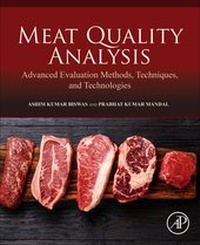
Meat Quality Analysis
Advanced Evaluation Methods, Techniques, and Technologies
Published on 21. August 2019
Book
Paperback/Softback
458 pages
978-0-12-819233-7 (ISBN)
Description
Meat Quality Analysis: Advanced Evaluation Methods, Techniques, and Technologies takes a modern approach to identify a compositional and nutritional analysis of meat and meat products, post-mortem aging methods, proteome analysis for optimization of the aging process, lipid profiles, including lipid mediated oxidations, meat authentication and traceability, strategies and detection techniques of potential food-borne pathogens, pesticide and drug residues, including antimicrobial growth promoters, food preservatives and additives, and sensory evaluation techniques. This practical reference will be extremely useful to researchers and scientists working in the meat industry, but will also be valuable to students entering fields of meat science, quality and safety.
More details
Language
English
Place of publication
San Diego
United States
Publishing group
Elsevier Science Publishing Co Inc
Target group
Professional and scholarly
Illustrations
Illustrated
Dimensions
Height: 235 mm
Width: 191 mm
Weight
910 gr
ISBN-13
978-0-12-819233-7 (9780128192337)
Copyright in bibliographic data and cover images is held by Nielsen Book Services Limited or by the publishers or by their respective licensors: all rights reserved.
Schweitzer Classification
Other editions
Additional editions
Ashim Kumar Biswas | Prabhat Mandal
Meat Quality Analysis
Advanced Evaluation Methods, Techniques, and Technologies
E-Book
08/2019
Academic Press
€175.00
Available for download
Persons
Dr. Ashim Biswas has worked in method development and quality evaluation of meat for various biochemical compounds including proteomes, meat colour, texture profiles, lipid molecules, lipid oxidation products, antimicrobial residues, pesticides, bioactive compounds and pathogen identification. Dr. Prabhat Mandal has long experience of new meat product development, food safety and quality evaluation of meat products including use of natural preservatives and functional additives including use of natural antimicrobial. Worked on analysis of various biochemical compounds, sensory evaluation, texture profile analysis and lipid oxidation products in meat products.
Content
SECTION-1 Current perspectives of meat quality evaluation
1. Current perspectives of meat quality evaluation: Techniques, technologies and challenges
SECTION-2 Advances in carcass quality evaluation and nutritional composition of meat
2. Methods for nutritional quality analysis of meat
3. Non-destructive methods for carcass and meat quality evaluation
SECTION-3 Post-mortem ageing and meat quality evaluation
4. Meat tenderization
5. Biochemical changes of post-mortem meat during ageing process and strategies to improve meat quality
6. Advances in evaluation of post-mortem ageing in meat
7. Calpain assisted post-mortem ageing of meat and its detection methods
SECTION-4 Molecular basis of meat colour development and detection
8. Molecular basis of meat colour
SECTION-5 Meat authenticity and traceability
9. Molecular techniques for speciation of meat
10. Meat traceability and certification in meat supply chain
SECTION-6 Chemical residues in meat and their detection techniques
11. Residues of harmful chemicals and their detection techniques
SECTION-7 Food preservatives/additives in meat and their detection
12. Use of food preservatives/additives in meat and their detection techniques
SECTION-8 Detection and prevention of lipid oxidation products
13. Lipids and lipid oxidation products and their detection and strategies to prevent lipid oxidation
14. Plant antioxidants, extraction strategies and their application in meat
SECTION-9 Strategies for elimination and detection of food-borne pathogens
15. Strategies for elimination of food-borne pathogens, their influensive detection techniques and drawbacks
16. Modern techniques for rapid detection of meat borne pathogens
SECTION-10 Modern biological concept of meat deterioration and its detection
17. Spoilage bacteria and meat quality
18. Modern concept of deterioration and detection of spoilage in meat and meat products
SECTION-11 Proteomic and genomic tools in meat quality evaluation
19. Application of proteomic tools in meat quality evaluation
20. Application of genomics tools in meat quality evaluation
SECTION-12 Sensory evaluation techniques
21. Advanced sensory evaluation techniques for meat and meat products
1. Current perspectives of meat quality evaluation: Techniques, technologies and challenges
SECTION-2 Advances in carcass quality evaluation and nutritional composition of meat
2. Methods for nutritional quality analysis of meat
3. Non-destructive methods for carcass and meat quality evaluation
SECTION-3 Post-mortem ageing and meat quality evaluation
4. Meat tenderization
5. Biochemical changes of post-mortem meat during ageing process and strategies to improve meat quality
6. Advances in evaluation of post-mortem ageing in meat
7. Calpain assisted post-mortem ageing of meat and its detection methods
SECTION-4 Molecular basis of meat colour development and detection
8. Molecular basis of meat colour
SECTION-5 Meat authenticity and traceability
9. Molecular techniques for speciation of meat
10. Meat traceability and certification in meat supply chain
SECTION-6 Chemical residues in meat and their detection techniques
11. Residues of harmful chemicals and their detection techniques
SECTION-7 Food preservatives/additives in meat and their detection
12. Use of food preservatives/additives in meat and their detection techniques
SECTION-8 Detection and prevention of lipid oxidation products
13. Lipids and lipid oxidation products and their detection and strategies to prevent lipid oxidation
14. Plant antioxidants, extraction strategies and their application in meat
SECTION-9 Strategies for elimination and detection of food-borne pathogens
15. Strategies for elimination of food-borne pathogens, their influensive detection techniques and drawbacks
16. Modern techniques for rapid detection of meat borne pathogens
SECTION-10 Modern biological concept of meat deterioration and its detection
17. Spoilage bacteria and meat quality
18. Modern concept of deterioration and detection of spoilage in meat and meat products
SECTION-11 Proteomic and genomic tools in meat quality evaluation
19. Application of proteomic tools in meat quality evaluation
20. Application of genomics tools in meat quality evaluation
SECTION-12 Sensory evaluation techniques
21. Advanced sensory evaluation techniques for meat and meat products