


Mathematics: Journey from Basic Mathematics through Intermediate Algebra
2nd Edition
Published on 1. April 2024
Book
Paperback/Softback
1200 pages
979-8-214-00044-2 (ISBN)
Description
Aufmann/Lockwood's MATHEMATICS: JOURNEY FROM BASIC MATHEMATICS THROUGH INTERMEDIATE ALGEBRA, 2nd Edition, and WebAssign, is an all-access resource for your entire developmental mathematics program, all at one price. Students like you told us that you need all your learning resources in one place within your online learning platform.
In this WebAssign, you will find your eTextbook, varied opportunities to practice and your assignments, all within your workflow. There is no need for you to leave your assignments to find the learning tools you need to successfully complete your coursework. Whether your goal is to complete your first course, finish a training program or graduate from college, the text is the flexible, all-access solution that will help you succeed.
In this WebAssign, you will find your eTextbook, varied opportunities to practice and your assignments, all within your workflow. There is no need for you to leave your assignments to find the learning tools you need to successfully complete your coursework. Whether your goal is to complete your first course, finish a training program or graduate from college, the text is the flexible, all-access solution that will help you succeed.
More details
Edition
2nd edition
Language
English
Place of publication
CA
United States
Publishing group
Cengage Learning, Inc
Target group
College/higher education
Dimensions
Height: 43 mm
Width: 210 mm
Thickness: 274 mm
Weight
2310 gr
ISBN-13
979-8-214-00044-2 (9798214000442)
Copyright in bibliographic data is held by Nielsen Book Services Limited or its licensors: all rights reserved.
Schweitzer Classification
Other editions
Previous edition
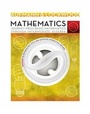
Richard Aufmann | Joanne Lockwood
Mathematics
Journey from Basic Mathematics through Intermediate Algebra
Book
06/2018
Brooks/Cole
€232.74
Article not available at the moment
Persons
Richard Aufmann is the lead author of two best-selling DEVELOPMENTAL MATH series and a best-selling COLLEGE ALGEBRA AND TRIGONOMETRY series, as well as several derivative math texts. Mr. Aufmann taught math, computer science and physics at Palomar College in California, where he was on the faculty for 28 years. His textbooks are highly recognized and respected among college mathematics professors. Today, Mr. Aufmann's professional interests include quantitative literacy, the developmental math curriculum and the impact of technology on curriculum development. He holds a Bachelor of Arts in Mathematics from the University of California, Irvine and a Master of Arts degree in Mathematics from California State University, Long Beach. Joanne Lockwood received a BA in English Literature from St. Lawrence University and both an MBA and a BA in mathematics from Plymouth State University. Ms. Lockwood taught at Plymouth State University and Nashua Community College in New Hampshire, and has over 20 years' experience teaching mathematics at the high school and college level. Ms. Lockwood has co-authored two bestselling developmental math series, as well as numerous derivative math texts and ancillaries. Ms. Lockwood's primary interest today is helping developmental math students overcome their challenges in learning math.
Content
MODULE A: AIM for Success: How to Succeed in This Course.
Get Ready. Motivate Yourself. Develop a "Can Do" Attitude Toward Math. Strategies for Success. Time Management. Habits of Successful Students. Use the Interactive Method. Use a Strategy to Solve Word Problems. Ace the Test. Ready, Set, Succeed!
MODULE 1: WHOLE NUMBERS.
1. Introduction to Whole Numbers.
2. Addition and Subtraction of Whole Numbers.
3. Multiplication and Division of Whole Numbers.
4. Exponents and the Order of Operations Agreement.
MODULE 2: INTEGERS.
5. Introduction to Integers.
6. Addition and Subtraction of Integers.
7. Multiplication and Division of Integers.
8. Exponents and the Order of Operations Agreement.
MODULE 3: FRACTIONS.
9. Prime Factorization.
10. The Least Common Multiple and Greatest Common Factor.
11. Introduction to Fractions.
12. Writing Equivalent Fractions.
13. Multiplication and Division of Fractions.
14. Addition and Subtraction of Fractions.
15. Operations on Positive and Negative Fractions.
16. The Order of Operations Agreement and Complex Fractions.
MODULE 4: DECIMALS AND PERCENTS.
17. Introduction to Decimals.
18. Adding and Subtracting Decimals.
19. Multiplying and Dividing Decimals.
20. Comparing and Converting Fractions and Decimals.
21. Introduction to Percent.
22. Radical Expressions and Real Numbers.
MODULE 5: VARIABLE EXPRESSIONS.
23. Evaluating Variable Expressions.
24. Simplifying Variable Expressions.
25. Translating Verbal Expressions into Variable Expressions.
MODULE 6: INTRODUCTION TO EQUATIONS.
26. Introduction to Equations.
27. Proportions.
28. The Basic Percent Equation.
29. Percent Increase and Percent Decrease.
30. Markup and Discount.
31. Simple Interest.
MODULE 7: GENERAL FIRST-DEGREE EQUATIONS AND INEQUALITIES.
32. General Equations.
33. Literal Equations and Absolute Value Equations.
34. Translating Sentences into Equations.
35. Mixture and Uniform Motion Problems.
36. First-Degree Inequalities.
37. Compound and Absolute Value Inequalities.
MODULE 8: MEASUREMENT AND GEOMETRY.
38. The U.S Customary System.
39. The Metric System.
40. Conversion Between the U.S. Customary and the Metric Systems of Measurement.
41. Angles, Lines, and Geometric Figures.
42. Perimeter of a Plane Geometric Figure.
43. Area of a Plane Geometric Figure.
44. Volume.
45. The Pythagorean Theorem.
46. Similar and Congruent Triangles.
MODULE 9: INTRODUCTION TO FUNCTIONS.
47. The Rectangular Coordinate System.
48. Graph Equations in Two Variables.
49. Graph Functions.
MODULE 10: INTRODUCTION TO LINEAR FUNCTIONS.
50. Linear Functions.
51. Slope of a Straight Line.
52. Finding Equations of Lines.
53. Parallel and Perpendicular Lines.
54. Inequalities in Two Variables.
MODULE 11: SYSTEMS OF LINEAR EQUATIONS IN TWO OR THREE VARIABLES.
55. Solving Systems of Linear Equations by Graphing.
56. Solving Systems of Linear Equations by the Substitution Method.
57. Solving Systems of Linear Equations by the Addition Method.
58. Solving Systems of Equations by Using Determinants.
59. Application Problems.
60. Solving Systems of Linear Inequalities.
MODULE 12: POLYNOMIALS.
61. Addition and Subtraction of Polynomials.
62. Multiplication of Monomials.
63. Multiplication of Polynomials.
64. Integer Exponents and Scientific Notation.
65. Division of Polynomials.
MODULE 13: FACTORING POLYNOMIALS.
66. Common Factorsl
67. Factoring Polynomials of the Form x2 + bx+ c.
68. Factoring Polynomials of the Form ax2 + bx+ c.
69. Special Factoring.
70. Solve Equations.
MODULE 14: RATIONAL EXPRESSIONS.
71. Simplify Rational Expressions.
72. Multiplication and Division of Rational Expressions.
73. Addition and Subtraction of Rational Expressions.
74. Complex Fractions.
75. Equations Containing Fractions.
76. Variation.
77. Application Problems.
MODULE 15: RADICALS AND RATIONAL EXPONENTS.
78. Introduction to Radical Expressions.
79. Addition and Subtraction of Radical Expressions.
80. Multiplication and Division of Radical Expressions.
81. Solving Equations Containing R
Get Ready. Motivate Yourself. Develop a "Can Do" Attitude Toward Math. Strategies for Success. Time Management. Habits of Successful Students. Use the Interactive Method. Use a Strategy to Solve Word Problems. Ace the Test. Ready, Set, Succeed!
MODULE 1: WHOLE NUMBERS.
1. Introduction to Whole Numbers.
2. Addition and Subtraction of Whole Numbers.
3. Multiplication and Division of Whole Numbers.
4. Exponents and the Order of Operations Agreement.
MODULE 2: INTEGERS.
5. Introduction to Integers.
6. Addition and Subtraction of Integers.
7. Multiplication and Division of Integers.
8. Exponents and the Order of Operations Agreement.
MODULE 3: FRACTIONS.
9. Prime Factorization.
10. The Least Common Multiple and Greatest Common Factor.
11. Introduction to Fractions.
12. Writing Equivalent Fractions.
13. Multiplication and Division of Fractions.
14. Addition and Subtraction of Fractions.
15. Operations on Positive and Negative Fractions.
16. The Order of Operations Agreement and Complex Fractions.
MODULE 4: DECIMALS AND PERCENTS.
17. Introduction to Decimals.
18. Adding and Subtracting Decimals.
19. Multiplying and Dividing Decimals.
20. Comparing and Converting Fractions and Decimals.
21. Introduction to Percent.
22. Radical Expressions and Real Numbers.
MODULE 5: VARIABLE EXPRESSIONS.
23. Evaluating Variable Expressions.
24. Simplifying Variable Expressions.
25. Translating Verbal Expressions into Variable Expressions.
MODULE 6: INTRODUCTION TO EQUATIONS.
26. Introduction to Equations.
27. Proportions.
28. The Basic Percent Equation.
29. Percent Increase and Percent Decrease.
30. Markup and Discount.
31. Simple Interest.
MODULE 7: GENERAL FIRST-DEGREE EQUATIONS AND INEQUALITIES.
32. General Equations.
33. Literal Equations and Absolute Value Equations.
34. Translating Sentences into Equations.
35. Mixture and Uniform Motion Problems.
36. First-Degree Inequalities.
37. Compound and Absolute Value Inequalities.
MODULE 8: MEASUREMENT AND GEOMETRY.
38. The U.S Customary System.
39. The Metric System.
40. Conversion Between the U.S. Customary and the Metric Systems of Measurement.
41. Angles, Lines, and Geometric Figures.
42. Perimeter of a Plane Geometric Figure.
43. Area of a Plane Geometric Figure.
44. Volume.
45. The Pythagorean Theorem.
46. Similar and Congruent Triangles.
MODULE 9: INTRODUCTION TO FUNCTIONS.
47. The Rectangular Coordinate System.
48. Graph Equations in Two Variables.
49. Graph Functions.
MODULE 10: INTRODUCTION TO LINEAR FUNCTIONS.
50. Linear Functions.
51. Slope of a Straight Line.
52. Finding Equations of Lines.
53. Parallel and Perpendicular Lines.
54. Inequalities in Two Variables.
MODULE 11: SYSTEMS OF LINEAR EQUATIONS IN TWO OR THREE VARIABLES.
55. Solving Systems of Linear Equations by Graphing.
56. Solving Systems of Linear Equations by the Substitution Method.
57. Solving Systems of Linear Equations by the Addition Method.
58. Solving Systems of Equations by Using Determinants.
59. Application Problems.
60. Solving Systems of Linear Inequalities.
MODULE 12: POLYNOMIALS.
61. Addition and Subtraction of Polynomials.
62. Multiplication of Monomials.
63. Multiplication of Polynomials.
64. Integer Exponents and Scientific Notation.
65. Division of Polynomials.
MODULE 13: FACTORING POLYNOMIALS.
66. Common Factorsl
67. Factoring Polynomials of the Form x2 + bx+ c.
68. Factoring Polynomials of the Form ax2 + bx+ c.
69. Special Factoring.
70. Solve Equations.
MODULE 14: RATIONAL EXPRESSIONS.
71. Simplify Rational Expressions.
72. Multiplication and Division of Rational Expressions.
73. Addition and Subtraction of Rational Expressions.
74. Complex Fractions.
75. Equations Containing Fractions.
76. Variation.
77. Application Problems.
MODULE 15: RADICALS AND RATIONAL EXPONENTS.
78. Introduction to Radical Expressions.
79. Addition and Subtraction of Radical Expressions.
80. Multiplication and Division of Radical Expressions.
81. Solving Equations Containing R