


Seismic Design of Concrete Buildings to Eurocode 8
Other
Undefined
424 pages
978-1-4665-5975-2 (ISBN)
Description
Seismic design of concrete buildings needs to be performed to a strong and recognised standard. Eurocode 8, the first European Standard for seismic design, is having an impact on seismic design standards in countries outside Europe. This book suits graduate or senior undergraduates and practising engineers. It includes a comprehensive case study of the design of a six storey building.
More details
Language
English
Place of publication
Boca Raton, Florida
United States
Publishing group
Taylor & Francis
Target group
College/higher education
Illustrations
179
67 s/w Tabellen, 179 s/w Abbildungen
179 b/w images, 67 tables and Apprx 667 equations
Dimensions
Height: 254 mm
Width: 178 mm
ISBN-13
978-1-4665-5975-2 (9781466559752)
Schweitzer Classification
Other editions
Additional editions
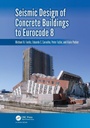
Michael Fardis | Eduardo Carvalho | Peter Fajfar
Seismic Design of Concrete Buildings to Eurocode 8
Book
03/2015
1st Edition
CRC Press
€109.20
Shipment within 15-20 days
Michael Fardis | Eduardo Carvalho | Peter Fajfar
Seismic Design of Concrete Buildings to Eurocode 8
E-Book
02/2015
1st Edition
CRC Press
€104.99
Available for download
Persons
Eduardo C. Carvalho is the Chairman of the CEN committee for Eurocode 8; and is currently Member of the Technical Council of Federation International du Béton (fib). He is a senior partner of Gapres, a structural design office in Lisbon.
Peter Fajfar is Professor of Structural and Earthquake Engineering at the University of Ljubljana, Slovenia has been active in the Technical Committee TC250/SC8 responsible for the development of Eurocode 8, and was the leader of the implementation process of Eurocode 8 in Slovenia, the first country to implement Eurocode 8.
Michael N. Fardis was chairman of the CEN committee for Eurocode 8 from 1999 to 2005. He is Professor and Director of the Structures Laboratory at the University of Patras, Greece, and is also Honorary President of the International Federation for Structural Concrete (fib), which he served as President in 2009-10.
Alain Pecker is President and CEO of Géodynamique et Structure, Professor of Civil Engineering at Ecole des Ponts ParisTech in France, and Honorary President of the French Association for Earthquake Engineering. He is President of the French committee for the development of seismic design codes and was a member of the drafting panel of EN 1998-5.
Peter Fajfar is Professor of Structural and Earthquake Engineering at the University of Ljubljana, Slovenia has been active in the Technical Committee TC250/SC8 responsible for the development of Eurocode 8, and was the leader of the implementation process of Eurocode 8 in Slovenia, the first country to implement Eurocode 8.
Michael N. Fardis was chairman of the CEN committee for Eurocode 8 from 1999 to 2005. He is Professor and Director of the Structures Laboratory at the University of Patras, Greece, and is also Honorary President of the International Federation for Structural Concrete (fib), which he served as President in 2009-10.
Alain Pecker is President and CEO of Géodynamique et Structure, Professor of Civil Engineering at Ecole des Ponts ParisTech in France, and Honorary President of the French Association for Earthquake Engineering. He is President of the French committee for the development of seismic design codes and was a member of the drafting panel of EN 1998-5.
Content
INTRODUCTION
Seismic design of concrete buildings in the context of the Eurocodes
Seismic design of concrete buildings in this book
Seismic performance requirements for buildings in Eurocode
EARTHQUAKES AND THEIR STRUCTURAL AND GEOTECHNICAL EFFECTS
Introduction to earthquakes
Effects of earthquakes on concrete buildings
Effects of earthquakes on geotechnical structures
Earthquake effects on shallow foundations
Earthquake effects on lifelines
ANALYSIS OF BUILDING STRUCTURES FOR SEISMIC ACTIONS
Linear elastic analysis
Behaviour factor
Non-linear analysis
CONCEPTUAL DESIGN OF CONCRETE BUILDINGS FOR EARTHQUAKE RESISTANCE
Principles of seismic design - Inelastic response and ductility demand
General principles of conceptual seismic design
Regularity and irregularity of building structures
Structural systems of concrete buildings and their components
The capacity design concept
Ductility Classification
The option of "secondary seismic elements"
DETAILED SEISMIC DESIGN OF CONCRETE BUILDINGS
Introduction
Sizing of frame members
Detailed design of beams in flexure
Detailed design of columns in flexure
Detailed design of beams and columns in shear
Detailed design of ductile walls in flexure and shear
Detailing for ductility
Dimensioning for vectorial action effects due to concurrent seismic action components
"Secondary seismic elements"
DESIGN OF FOUNDATIONS AND FOUNDATION ELEMENTS
Importance and influence of soil structure interaction
Verification of shallow foundations
Design of concrete elements in shallow foundations
DESIGN EXAMPLE: MULTISTOREY BUILDING
Geometry and design parameters
Modelling for the analysis
Analysis
Seismic displacements from the analysis and their utilisation
Member internal forces from the analyses
Detailed design of members
REFERENCES
Seismic design of concrete buildings in the context of the Eurocodes
Seismic design of concrete buildings in this book
Seismic performance requirements for buildings in Eurocode
EARTHQUAKES AND THEIR STRUCTURAL AND GEOTECHNICAL EFFECTS
Introduction to earthquakes
Effects of earthquakes on concrete buildings
Effects of earthquakes on geotechnical structures
Earthquake effects on shallow foundations
Earthquake effects on lifelines
ANALYSIS OF BUILDING STRUCTURES FOR SEISMIC ACTIONS
Linear elastic analysis
Behaviour factor
Non-linear analysis
CONCEPTUAL DESIGN OF CONCRETE BUILDINGS FOR EARTHQUAKE RESISTANCE
Principles of seismic design - Inelastic response and ductility demand
General principles of conceptual seismic design
Regularity and irregularity of building structures
Structural systems of concrete buildings and their components
The capacity design concept
Ductility Classification
The option of "secondary seismic elements"
DETAILED SEISMIC DESIGN OF CONCRETE BUILDINGS
Introduction
Sizing of frame members
Detailed design of beams in flexure
Detailed design of columns in flexure
Detailed design of beams and columns in shear
Detailed design of ductile walls in flexure and shear
Detailing for ductility
Dimensioning for vectorial action effects due to concurrent seismic action components
"Secondary seismic elements"
DESIGN OF FOUNDATIONS AND FOUNDATION ELEMENTS
Importance and influence of soil structure interaction
Verification of shallow foundations
Design of concrete elements in shallow foundations
DESIGN EXAMPLE: MULTISTOREY BUILDING
Geometry and design parameters
Modelling for the analysis
Analysis
Seismic displacements from the analysis and their utilisation
Member internal forces from the analyses
Detailed design of members
REFERENCES