


Heroic Identity in the World of Beowulf
Published on 31. January 2009
Software
Digital media
420 pages
978-90-474-2502-1 (ISBN)
Unfortunately, price unknown
Available (delivery time upon request)
Not available
Description
All those interested in Beowulf studies, early English literature, medieval culture more generally, ancient epic, Icelandic sagas, and world literatures.
More details
Other editions
Additional editions
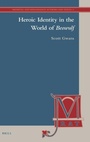
Scott Gwara
Heroic Identity in the World of Beowulf
Book
11/2008
Brill
€269.50
Shipment within 10-20 days
Person
Scott Gwara, PhD (Medieval Studies, University of Toronto, 1993) teaches Old and Middle English, Medieval Latin, and Epic at the University of South Carolina. The author of five books, he publishes widely on manuscripts, Latin literature, and bilingual learning in pre-Conquest England.
Content
"Scott Gwara brings a fresh and energetic analysis to this challenging poem. Each of the chapters helps form a new appreciation for the complexity of the poem and for its unity. Confronting the text and its critical heritage, he bolsters his argumentation with literary and historical parallels from Old English, Old Norse, and Latin sources. The poem presents Beowulf as heroic but, as Gwara argues, with potential to become selfishly tyrannical. Adversaries such as Unferth and friends such as King Hrothgar record their valid concerns about potential corruption of his character, and the narrator himself subtly presents the ambivalent nature of Beowulf's exploits. Gwara traces the maturation of Beowulf as he makes critical choices and emerges successfully from not just physical challenges but complicated moral ones. The now common understanding of Beowulf as a static heroic character is demonstrably wrong. Gwara takes up every challenge of the text and the long history of 'Beowulf' criticism to present the soundest analysis I have encountered of this magnificently sophisticated and unique Old English epic."
George Brown, Stanford University
"With incisive prose and deep learning Scott Gwara champions the ambiguity, moral proximity, and essential dialectic of our much studied and misunderstood English epic. An original argument in the best scholarly tradition demonstrates that the audience of 'Beowulf' must calibrate the variables of duty and desire as the characters test the boundaries of fame and fate. In moving the so-called digressions to the center of the poem, Gwara gives us the Germanic 'ars heroica'."
James H. Morey, Emory University
"Scott Gwara's book sends a gale of fresh air through the quiet consensus of 'Beowulf' studies. Its wide comparative reference and readiness to explain cultural difference, rather than explain it away, shed new light on a lost heroic age."
T. A. Shippey, Saint Louis University
George Brown, Stanford University
"With incisive prose and deep learning Scott Gwara champions the ambiguity, moral proximity, and essential dialectic of our much studied and misunderstood English epic. An original argument in the best scholarly tradition demonstrates that the audience of 'Beowulf' must calibrate the variables of duty and desire as the characters test the boundaries of fame and fate. In moving the so-called digressions to the center of the poem, Gwara gives us the Germanic 'ars heroica'."
James H. Morey, Emory University
"Scott Gwara's book sends a gale of fresh air through the quiet consensus of 'Beowulf' studies. Its wide comparative reference and readiness to explain cultural difference, rather than explain it away, shed new light on a lost heroic age."
T. A. Shippey, Saint Louis University