


Human Factors Methods for Improving Performance in the Process Industries
Published on 1. January 2007
Software
Other digital
256 pages
978-0-470-11884-9 (ISBN)
Description
In distinction to ergonomics, "Human Factors Methods for Improving Performance in the Process Industries" deals with designing manufacturing processes so that humans don't take the wrong action and cause a catastrophic injury. This book contains examples, anecdotes, visual aids and references for 40 different human factors topics relating to process safety, along with tools / applications chapters with anecdotes and visual aids. It provides specific information to help managers to implement an efficient human factors program and engineers to address OSHA requirements.
More details
Language
English
Place of publication
New York
United States
Publishing group
John Wiley and Sons Ltd
Target group
Professional and scholarly
ISBN-13
978-0-470-11884-9 (9780470118849)
Copyright in bibliographic data is held by Nielsen Book Services Limited or its licensors: all rights reserved.
Schweitzer Classification
Other editions
Additional editions
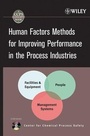
CCPS (Center for Chemical Process Safety) | Daniel A. Crowl
Human Factors Methods for Improving Performance in the Process Industries
E-Book
08/2007
Wiley-AIChE
€134.99
Available for download
Person
Since 1985, the Center for Chemical Process Safety (CCPS) has been the world leader in providing information on process safety management and technology. CCPS, an industry technology alliance of the American Institute of Chemical Engineers (AIChE), has published over eighty books in its process safety guidelines and process safety concepts series. In this book, CCPS teams up with the AIChE Safety and Health Division. Members of the CCPS Human Factors Subcommittee contributed chapters or sections in their areas of expertise. For more information, visit www.ccpsonline.org.
Content
Preface. Acknowledgments. Abbreviations and Acronyms. 1 Introduction. 1.1 Purpose of This Book. 1.2 Human Factors. 1.3 Human Error. 1.4 Structure of This Book. 1.5 Linkage to Other CCPS Publications. 1.6 References. 2 The Case for Human Factors. 2.1 Why is Human Factors Needed? 2.2 Past Incidents. 2.3 Business Value/Justification. 2.4 Human Factors in the Life Cycle of a Chemical Plant. 2.5 Needs Driven Program. 2.6 References. 3 Performance Measurement and Improvements. 3.1 Building Improvements into Existing Systems. 3.2 Measures of Performance. 3.3 Roles and Responsibilities. 3.4 Continuous Improvement. 3.5 References. HUMAN FACTORS TOOL KIT. Facilities and Equipment. 4 Process Equipment Design. 4.1 Introduction. 4.2 Tools. 4.3 References. 4.4 Additional References. 5 Process Control Systems. 5.1 Introduction. 5.2 Issues/Example. 5.3 Tools. 5.4 Additional References. 6 Control Center Design. 6.1 Introduction. 6.2 Tools. 6.3 References. 6.4 Additional References. 7 Remote Operations. 7.1 Introduction. 7.2 Tools. 7.3 Reference. 8 Facilities and Workstation Design. 8.1 Introduction. 8.2 Tools. 8.3 References. 8.4 Additional References. 9 Human/Computer Interface. 9.1 Introduction. 9.2 Human Interactions with Control System Software. 9.3 Tools. 9.4 References. 9.5 Additional References. 10 Safe Havens. 10.1 Introduction. 10.2 Human Factors Issues. 10.3 Tools. 10.4 References. 11 Labeling. 11.1 Introduction. 11.2 Tools. 11.3 References. People. 12 Training. 12.1 Introduction. 12.2 Guidelines for Training Programs. 12.3 Guidelines for Designing and Delivering Training. 12 4 Tools. 12.5 References. 13 Communication. 13.1 Introduction. 13.2 Issues/Examples. 13.3 Tools. 13.4 References. 14 Documentation Design and Use. 14.1 Introduction. 14.2 Converting to Electronic Documentation. 14.3 Use of Documents. 14.4 Tools. 14.5 References. 14.6 Additional References. 15 Environmental Factors. 15.1 Introduction. 15.2 Noise. 15.3 Vibration. 15.4 Temperature and Relative Humidity. 15.5 Air Quality. 15.6 Lighting. 15.7 References. 16 Workloads and Staffing Levels. 16.1 Introduction. 16.2 Issues/Examples. 16.3 Tools. 16.4 References. 17 Shiftwork Issues. 17.1 Introduction. 17.2 Tools. 17.3 References. 17.4 Additional References. 18 Manual Materials Handling. 18.1 Introduction. 18.2 Manual Materials Handling Guidelines. 18.3 References. 18.3 Additional References. Management Systems. 19 Safety Culture. 19.1 Introduction. 19.2 What is Safety Culture? 19.3 Tools. 19.4 Safety Culture: A Process Industry Case Study. 19.5 Benefits. 19.6 References. 19.7 Additional References. 20 Behavior Based Safety. 20.1 Introduction. 20.2 Tools. 20.3 Expected Results. 20.4 References. 20.5 Additional References. 21 Project Planning, Design, and Execution. 21.1 Introduction. 21.2 Human Factors Tools for Project Management. 21.3 References. 22 Procedures. 22.1 Introduction. 22.2 Tools. 22.3 References. 22.4 Additional References. 23 Maintenance. 23.1 Introduction. 23.2 Identifying Critical Maintenance Tasks. 23.3 Maintenance Protocol. 23.4 Tools. 23.5 References. 24 Safe Work Practices and Permit--to--Work Systems. 24.1 Introduction. 24.2 Issues. 24.3 Tools. 24.4 References. 24.5 Additional Reference. 25 Management of Change. 25.1 Introduction. 25.2 Tools. 25.3 References. 26 Qualitative Hazard Analysis. 26.1 Introduction. 26.2 Toolsa??Human Failures. 26.3 Toolsa??Human Factors. 26.4 References. 26.5 Additional References. 27 Quantitative Risk Assessment. 27.1 Introduction. 27.2 Tools. 27.3 References. 27.4 Additional References. 28 Safety Systems. 28.1 Introduction. 28.2 People and Safety Systems. 28.3 Bypassing and Disabling Safety Systems. 28.4 Shutdown Systems. 28.5 Selection of Safety Systems. 28.6 Common Cause Failures in Safety Systems. 28.7 Tools. 28.8 References. 29 Competence Management. 29.1 Introduction. 29.2 Elements of Competence Management. 29.3 Tools. 29.4 References. 29.5 Additional References. 30 Emergency Preparedness and Response. 30.1 Introduction. 30.2 Tools. 30.3 Reference. 30.4 Additional References. 31 Incident Investigation. 31.1 Introduction. 31.2 Issues/Examples. 31.3 Tools. 31.4 References. Appendix. Human Factors Checklist. Index.