

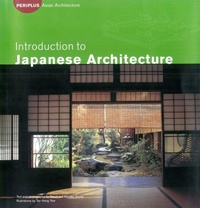
Introduction to Japanese Architecture
Published on 30. October 2012
128 pages
978-1-4629-0809-7 (ISBN)
Description

Introduction to Japanese Architecture provides an overview of Japanese architecture in its historical and cultural context.
It begins with a discussion of prehistoric dwellings and concludes with a description of contemporary trends in areas as diverse as country inns, underground malls, and love hotels. The intervening 12,000 years are analyzed in reference to major changes in architecture caused by Buddhist and indigenous influences, feudalism, and finally the influence of Western culture in the 19th century.
The architecture book provides insights into the dynamic nature of this contrast and how it reflects the underlying diversity of Japanese culture. The comprehensive, accessible text is complemented by over 340 color photographs, diagrams, and specially commissioned watercolors.
It begins with a discussion of prehistoric dwellings and concludes with a description of contemporary trends in areas as diverse as country inns, underground malls, and love hotels. The intervening 12,000 years are analyzed in reference to major changes in architecture caused by Buddhist and indigenous influences, feudalism, and finally the influence of Western culture in the 19th century.
The architecture book provides insights into the dynamic nature of this contrast and how it reflects the underlying diversity of Japanese culture. The comprehensive, accessible text is complemented by over 340 color photographs, diagrams, and specially commissioned watercolors.
More details
Other editions
Additional editions

Michiko Kimura Young
Introduction to Japanese Architecture
Book
02/2004
Kogan Page Ltd
€49.71
Article exhausted; check different version
Persons
Michiko Young conducts culture tours to Japan for those who wish to get off the beaten track. She and her husband David Young live in the Rocky Mountains of British Columbia, Canada. They are the authors of The Art of the Japanese Garden.
Content
- Intro
- Contents
- Development of Traditional Architecture
- Basic Principles of Japanese Architecture
- Pre-Buddhist Cultures
- Reconstructed Jomon and Yayoi Settlements
- The Grand Shrines at Ise
- Tomb Mounds
- Ainu Buildings
- Influences from Korea and China
- Heijokyo: An Early Capital
- Horyuji: The Oldest Extant Temple
- Nara Period Temples
- Post-Buddhist Shinto Shrines
- Developing a Cultural Identity
- Palaces and Mansions
- Mountain Temples
- Paradise Halls
- Merging of Shinto and Buddhist Architecture
- The Way of the Warrior
- New Principles in Residential Architecture
- Kinkakuji and Ginkakuji Temples
- The Way of Tea
- Feudal Period Temples
- The Ichijodani Historical Site
- Castles and Castle Culture
- Centralized Authority
- Edo: The Feudal Capital
- Takayama: An Administrative Town
- Kanazawa: A Castle Town
- Ogimachi: A Farm Village
- Minka: Rural Houses
- Kurashiki: A Rice Merchant
- The Important Role of Storehouses
- The Mausoleums at Nikko
- Sukiya Style Villas and Palaces
- Theaters and Sumo Rings
- Japan in Transition
- Pseudo-Western and Blended Styles
- Residential Architecture in the Traditional Style
- Inns in the Traditional Style
- Temples and Shrines in the Traditional Style
- Modern Architecture
- Glossary
