


Rethinking Feeling
On the Renegotiation of Emotions in German Novels at the Fin De SieCle
1st Edition
Published on 22. January 2026
256 pages
979-8-7651-5842-5 (ISBN)
Description

Holly A. Yanacek traces a new history of emotions through the German novel, showing how long before social media existed, literature and art played important roles in negotiating emotions with moral values as well as shaping public cultures of feeling.
Rethinking Feeling examines the literary renegotiation of emotion at the Jahrhundertwende, the turn of the century, a period of rapid cultural change when 19th-century moral values were destabilized and ideas about how one should think and feel became contested topics of debate. The re-evaluation of moral values around 1900 was inspired by the philosophy of Friedrich Nietzsche. Nietzsche's writings influenced groups across the political and social spectrum in Wilhelmine Germany (1890-1918) and opened up spaces to think and to feel differently.
This book builds upon interdisciplinary research in emotion studies, Bakhtinian discourse analysis, and narrative theory to develop a new way of reading emotion in narrative prose works. The literary analyses in Rethinking Feeling break new ground in interpreting influential works by Thomas Mann, Lou Andreas-Salomé, Theodor Fontane, and Hedwig Dohm as its analysis offers a new way of understanding the role of emotion in literary and cultural history.
Rethinking Feeling examines the literary renegotiation of emotion at the Jahrhundertwende, the turn of the century, a period of rapid cultural change when 19th-century moral values were destabilized and ideas about how one should think and feel became contested topics of debate. The re-evaluation of moral values around 1900 was inspired by the philosophy of Friedrich Nietzsche. Nietzsche's writings influenced groups across the political and social spectrum in Wilhelmine Germany (1890-1918) and opened up spaces to think and to feel differently.
This book builds upon interdisciplinary research in emotion studies, Bakhtinian discourse analysis, and narrative theory to develop a new way of reading emotion in narrative prose works. The literary analyses in Rethinking Feeling break new ground in interpreting influential works by Thomas Mann, Lou Andreas-Salomé, Theodor Fontane, and Hedwig Dohm as its analysis offers a new way of understanding the role of emotion in literary and cultural history.
More details
Series
Edition
1. Auflage
Language
English
Place of publication
New York
United States
Publishing group
Bloomsbury Publishing Plc
Target group
Professional and scholarly
College/higher education
Illustrations
4 bw illus
ISBN-13
979-8-7651-5842-5 (9798765158425)
Copyright in bibliographic data and cover images is held by Nielsen Book Services Limited or by the publishers or by their respective licensors: all rights reserved.
Schweitzer Classification
Other editions
Additional editions
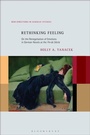
Holly A. Yanacek
Rethinking Feeling
On the Renegotiation of Emotions in German Novels at the Fin de Siecle
Book
approx. 02/2026
Bloomsbury Academic USA
€122.10
Not yet published
Person
Holly Yanacek is Associate Professor of German at James Madison University, USA. Her research focuses on emotion, narration, gender, ethics, and the non-human. She co-edited Animals, Machines, and AI: On Human and Non-Human Emotions in Modern German Cultural History (2021) and Keywords for Today: A 21st Century Vocabulary (2018).
Content
List of Figures
Acknowledgments
Introduction - Thinking and Feeling Differently Around 1900: Heteropathia as a Method of Reading
- Emotions as Historically and Culturally Variable
- Emotions, Modernization, and Cultural Change in Wilhelmine Germany
- Renegotiating Social and Moral Emotions through Literature, Art, and Print Media
- Heteropathia in the Novel
- Overview of the Chapters
1. Honor and Compassion: Responding Ethically to Adultery in Theodor Fontane's Effi Briest (1895)
- Emotion and Social Criticism in Fontane's Novels
- Effi Briest's Compassionate Narrator
- Masculine Honor and Dueling around 1900
- A Brief History of Mitleid
- Adapting Schopenhauer's Ethics of Compassion
- Competing Emotional Styles in Dialogue
- Sensing the Decline of Dueling and Honor
- Acknowledging a Need for Compassion and Self-Conscious Moral Emotions
2. Shame and Love: Challenging Gendered Feeling Rules in Lou Andreas-Salomé's Fenitschka (1898)
- Andreas-Salomé and the "Woman Question"
- Fenitschka's Heteropathic Renegotiation of Social and Moral Emotions
- The Limits of Emotional Essentialism
- Creating Space for New Ways of Thinking and Feeling
- Conflicting Cultural Narratives of Love
- Subverting the Male Gaze and Feminine Shame
- Acknowledging Women's Agency
3. Pride and Decadent Sensibility: Renegotiating Emotions through Art in Thomas Mann's Buddenbrooks (1901)
- Looking beyond Accusations of Artistic Coldness in Buddenbrooks
- Mann's Empathetic-Ironic Narration
- Emotional Change Through Four Generations
- Modernization and the Necessity of Accompanying Emotional and Cultural Shifts
- Negotiating between Bourgeois Pride and Decadent Sensibility
- Heteropathia as an Expression of Mann's "Poetic Criticism"
- The Writer Kai as Structural Metaphor for the Mediation of Emotions
4. Anger and Hope: Forging a Feminist Future in Hedwig Dohm's Christa Ruland (1902)
- Dohm's Writing in Service to Women
- Emotion and Narration in the Epistolary Novel
- Emotional Styles beyond the Femme Fatale and Femme Fragile
- A Constructivist Model of Gender and Emotion
- Resistance to Gendered Social Barriers
- Feminist Attachments - Anger and Hope
- Between Individualism and Altruism
Epilogue: Rethinking Emotions Then and Now
Bibliography
Index
Acknowledgments
Introduction - Thinking and Feeling Differently Around 1900: Heteropathia as a Method of Reading
- Emotions as Historically and Culturally Variable
- Emotions, Modernization, and Cultural Change in Wilhelmine Germany
- Renegotiating Social and Moral Emotions through Literature, Art, and Print Media
- Heteropathia in the Novel
- Overview of the Chapters
1. Honor and Compassion: Responding Ethically to Adultery in Theodor Fontane's Effi Briest (1895)
- Emotion and Social Criticism in Fontane's Novels
- Effi Briest's Compassionate Narrator
- Masculine Honor and Dueling around 1900
- A Brief History of Mitleid
- Adapting Schopenhauer's Ethics of Compassion
- Competing Emotional Styles in Dialogue
- Sensing the Decline of Dueling and Honor
- Acknowledging a Need for Compassion and Self-Conscious Moral Emotions
2. Shame and Love: Challenging Gendered Feeling Rules in Lou Andreas-Salomé's Fenitschka (1898)
- Andreas-Salomé and the "Woman Question"
- Fenitschka's Heteropathic Renegotiation of Social and Moral Emotions
- The Limits of Emotional Essentialism
- Creating Space for New Ways of Thinking and Feeling
- Conflicting Cultural Narratives of Love
- Subverting the Male Gaze and Feminine Shame
- Acknowledging Women's Agency
3. Pride and Decadent Sensibility: Renegotiating Emotions through Art in Thomas Mann's Buddenbrooks (1901)
- Looking beyond Accusations of Artistic Coldness in Buddenbrooks
- Mann's Empathetic-Ironic Narration
- Emotional Change Through Four Generations
- Modernization and the Necessity of Accompanying Emotional and Cultural Shifts
- Negotiating between Bourgeois Pride and Decadent Sensibility
- Heteropathia as an Expression of Mann's "Poetic Criticism"
- The Writer Kai as Structural Metaphor for the Mediation of Emotions
4. Anger and Hope: Forging a Feminist Future in Hedwig Dohm's Christa Ruland (1902)
- Dohm's Writing in Service to Women
- Emotion and Narration in the Epistolary Novel
- Emotional Styles beyond the Femme Fatale and Femme Fragile
- A Constructivist Model of Gender and Emotion
- Resistance to Gendered Social Barriers
- Feminist Attachments - Anger and Hope
- Between Individualism and Altruism
Epilogue: Rethinking Emotions Then and Now
Bibliography
Index
