

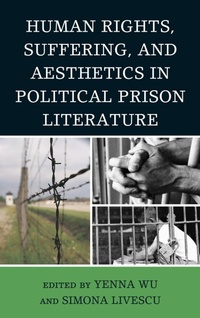
Human Rights, Suffering, and Aesthetics in Political Prison Literature
1st Edition
Published on 16. June 2011
224 pages
979-8-216-24030-3 (ISBN)
Description

This interdisciplinary volume of essays studies human rights in political prison literature, while probing the intersections of suffering, politics, and aesthetics in an interliterary and intercultural context. As the first book to explore the concept of global aesthetics in political prison narratives, it demonstrates how literary insight enhances the study of human rights. Covering varied geographical and geopolitical regions, this collection encourages comparative analyses and cross-cultural understanding. Seeking to interrogate linguistic, structural, and cultural constructions of the political prison experience, it highlights the literary aspects without losing sight of the political and the theoretical.
The contributors cross various disciplinary boundaries and adopt different interpretive perspectives in analyzing prison narratives, especially memoirs, from such diverse countries as China, Egypt, Morocco, Syria, Romania, Russia, Uruguay, and the U.S. The volume emphasizes the literary works produced since the second half of the twentieth century, particularly since the political seismic shift in 1989. The authors treated range from the canonical to the less well-known: Nawal El Saadawi, Varlam Shalamov, Zhang Xianliang, Cong Weixi, Wumingshi, Carlos Liscano, Fatna El Bouih, Nabil Sulayman, Faraj Bayraqdar, Hasiba 'Abdalrahman, Tahar Ben Jelloun, Nicolae Steinhardt, Irina Ratushinskaya, etc.
Critical issues investigated include how the writers represent their sufferings, experiences, and emotions during incarceration; their strategies of survival; and how political prison literature can reveal hidden violations of human rights, while resisting official discourse and serving other functions in society. Examining the commonalities and differences in global experiences of imprisonment, the eight chapters engage with the aesthetics of self-making and resistance, individual and collective memory, denial and conversion, catharsis and redemption, and the experiencing and witnessing of trauma.
Topics also include the politics of remembering and the politics of representation, such as the problematic relationship between narrative, language, and representations of torture. Similarly under discussion are prison aesthetics of happiness, the role of spectacle in the criminal justice system, and the intersection of prison, gender, and silences.
At a juncture when more and more people all over the world actively defy repressive regimes and demand political reform, this book makes a timely contribution to the advocacy and discourse of universal human rights.
The contributors cross various disciplinary boundaries and adopt different interpretive perspectives in analyzing prison narratives, especially memoirs, from such diverse countries as China, Egypt, Morocco, Syria, Romania, Russia, Uruguay, and the U.S. The volume emphasizes the literary works produced since the second half of the twentieth century, particularly since the political seismic shift in 1989. The authors treated range from the canonical to the less well-known: Nawal El Saadawi, Varlam Shalamov, Zhang Xianliang, Cong Weixi, Wumingshi, Carlos Liscano, Fatna El Bouih, Nabil Sulayman, Faraj Bayraqdar, Hasiba 'Abdalrahman, Tahar Ben Jelloun, Nicolae Steinhardt, Irina Ratushinskaya, etc.
Critical issues investigated include how the writers represent their sufferings, experiences, and emotions during incarceration; their strategies of survival; and how political prison literature can reveal hidden violations of human rights, while resisting official discourse and serving other functions in society. Examining the commonalities and differences in global experiences of imprisonment, the eight chapters engage with the aesthetics of self-making and resistance, individual and collective memory, denial and conversion, catharsis and redemption, and the experiencing and witnessing of trauma.
Topics also include the politics of remembering and the politics of representation, such as the problematic relationship between narrative, language, and representations of torture. Similarly under discussion are prison aesthetics of happiness, the role of spectacle in the criminal justice system, and the intersection of prison, gender, and silences.
At a juncture when more and more people all over the world actively defy repressive regimes and demand political reform, this book makes a timely contribution to the advocacy and discourse of universal human rights.
More details
Edition
1. Auflage
Language
English
Place of publication
United States
Publishing group
Bloomsbury Publishing Plc
Target group
Professional and scholarly
ISBN-13
979-8-216-24030-3 (9798216240303)
Copyright in bibliographic data and cover images is held by Nielsen Book Services Limited or by the publishers or by their respective licensors: all rights reserved.
Schweitzer Classification
Other editions
Additional editions
Yenna Wu | Simona Livescu
Human Rights, Suffering, and Aesthetics in Political Prison Literature
Book
07/2013
Lexington Books
€63.00
Shipment within 10-20 days
Persons
Yenna Wu is a distinguished teaching professor at the University of California, Riverside.
Simona Livescu is a Ph.D. candidate at the University of California, Los Angeles.
Simona Livescu is a Ph.D. candidate at the University of California, Los Angeles.
Content
Chapter 1. Probing the Intersections of Human Rights, Suffering, and Aesthetics in Political Prison Narratives: An Introduction
Chapter 2. Reviving Muted Voices: Rhizomatous Forces in Political Prison Literature
Chapter 3. Surviving Traumatic Captivity, Arriving at Wisdom: An Aesthetics of Resistance in Chinese Prison Camp Memoir
Chapter 4. The Argument From Silence: Morocco's Truth Commission and Women Political Prisoners
Chapter 5. The Persistence of Spectacle in PRC Modes of Punishing Criminality and Deviance
Chapter 6. The Cocoons of Language: Torture, Voice, Event
Chapter 7. A Primer for the Politics and Literature of Resistance: Apparitional Subjectivity in The Collective Autobiography of the New York 21
Chapter 8. Remembering Pain in Uruguay: What Memories Mean in Carlos Liscano's Truck of Fools
Chapter 9. Deviating from the Norm? Two Easts Testify to a Prison Aesthetics of Happiness
Chapter 2. Reviving Muted Voices: Rhizomatous Forces in Political Prison Literature
Chapter 3. Surviving Traumatic Captivity, Arriving at Wisdom: An Aesthetics of Resistance in Chinese Prison Camp Memoir
Chapter 4. The Argument From Silence: Morocco's Truth Commission and Women Political Prisoners
Chapter 5. The Persistence of Spectacle in PRC Modes of Punishing Criminality and Deviance
Chapter 6. The Cocoons of Language: Torture, Voice, Event
Chapter 7. A Primer for the Politics and Literature of Resistance: Apparitional Subjectivity in The Collective Autobiography of the New York 21
Chapter 8. Remembering Pain in Uruguay: What Memories Mean in Carlos Liscano's Truck of Fools
Chapter 9. Deviating from the Norm? Two Easts Testify to a Prison Aesthetics of Happiness
