

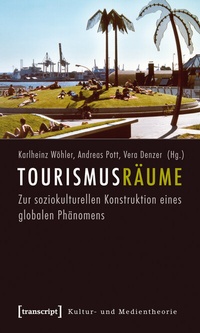
Tourismusräume
Zur soziokulturellen Konstruktion eines globalen Phänomens
1st Edition
Published on 15. July 2015
320 pages
978-3-8394-1194-0 (ISBN)
Description

Die Konstruktion von Tourismusräumen ist von verschiedenen gesellschaftlichen und kulturellen Prozessen begleitet. Welche Räume der Wahrnehmung, Nutzung und Aneignung werden dabei hergestellt? Wie gestaltet sich die soziale und kulturelle Produktion von Tourismusräumen?Die Beiträge dieses Bandes nähern sich diesen Fragen anhand unterschiedlicher gegenstandsbezogener Analysen. Zugleich wird aus kulturgeographischer und kulturwissenschaftlicher Perspektive das Potenzial der unterschiedlichen »Cultural Turns« für die empirische Analyse tourismusbezogener Fragestellungen ausgelotet.
Reviews / Votes
Besprochen in:Comparativ, 22 (2012), Andreas MaiBayerisches Jahrbuch für Volkskunde (2012)More details
Other editions
Additional editions
Karlheinz Wöhler | Andreas Pott | Vera Denzer
Tourismusräume
Zur soziokulturellen Konstruktion eines globalen Phänomens
Book
08/2018
1st Edition
transcript
€28.80
Available immediately
Persons
Editor
Karlheinz Wöhler, Leuphana Universität Lüneburg, Deutschland
Karlheinz Wöhler ist Professor (im Ruhestand) für Tourismuswissenschaften am Institut für Stadt- und Kulturraumforschung (IFSK), Leuphana Universität Lüneburg.
ISNI:
Andreas Pott, Universität Osnabrück, Deutschland
Andreas Pott (Prof. Dr.) ist Professor für Sozialgeographie am Institut für Migrationsforschung und Interkulturelle Studien (IMIS) der Universität Osnabrück.
ISNI:
Vera Denzer, Universität Leipzig, Deutschland
Vera Denzer (Prof. Dr.) lehrt Anthropogeographie an der Universität Leipzig.
Content
1 - INHALT?????????????????????????? [Seite 5]
2 - EINLEITUNG?????????????????????????????????? [Seite 9]
2.1 - Formen und Konstruktionsweisen von Tourismusräumen?????????????????????????????????????????????????????????????????????????????????????????????????????????????????? [Seite 11]
2.2 - Raumkonstruktionen, "Turns" und Paradigmen?????????????????????????????????????????????????????????????????????????????????????????????????? [Seite 21]
3 - MEDIALISIERUNG UND VISUALISIERUNG???????????????????????????????????????????????????????????????????????????????? [Seite 41]
3.1 - Die mediale Konstruktion des Stereotyps Szeneviertel in Reiseführern?????????????????????????????????????????????????????????????????????????????????????????????????????????????????????????????????????????????????????? [Seite 43]
3.2 - Erlebnisräume/Raumerlebnisse: Zur Konstruktion des "Draußen" in Bildern der Werbung???????????????????????????????????????????????????????????????????????????????????????????????????????????????????????????????????????????????????????????????????????????????????? [Seite 67]
4 - PERFORMATIVITÄT???????????????????????????????????????????? [Seite 87]
4.1 - Die Performativität und Konstruktion touristischer Räume - das Beispiel Südbayern???????????????????????????????????????????????????????????????????????????????????????????????????????????????????????????????????????????????????????????????????????????????? [Seite 89]
4.2 - Inklusive Melancholie, planvolle Befütterung und das unstete Glück der Rhizome. Performances von Europa im Feld des Kulturtourismus???????????????????????????????????????????????????????????????????????????????????????????????????????????????????????????????????????????????????????????????????????????????????????????????????????????????????????????????????????????????????????????????????????????????????? [Seite 107]
4.3 - Performing Tourism - Doing IKEA. Gedanken zu touristischen Praktiken in "Nicht-Orten" des Konsums???????????????????????????????????????????????????????????????????????????????????????????????????????????????????????????????????????????????????????????????????????????????????????????????????????????????? [Seite 125]
5 - WISSEN?????????????????????????? [Seite 141]
5.1 - Die Herstellung agrotouristischer Tourismusräume. Eine Fallstudie in der Republik Zypern?????????????????????????????????????????????????????????????????????????????????????????????????????????????????????????????????????????????????????????????????????????????????????????????? [Seite 143]
5.2 - "Wir wissen nicht, was wir tun sollen" - Expertisierte Raumaneignung und -konstruktion?????????????????????????????????????????????????????????????????????????????????????????????????????????????????????????????????????????????????????????????????????????????????????????? [Seite 157]
6 - KONSTRUIEREN UND INSZENIEREN?????????????????????????????????????????????????????????????????????? [Seite 189]
6.1 - Stadtstrände - Urlaubsoasen im urbanen Raum? Erste empirische Annäherungen - ein Werkstattbericht???????????????????????????????????????????????????????????????????????????????????????????????????????????????????????????????????????????????????????????????????????????????????????????????????????????????? [Seite 191]
6.2 - Industrietourismus. Entdeckung und Konstruktion der Fabrik als touristischer Raum im späten 19. und frühen 20. Jahrhundert?????????????????????????????????????????????????????????????????????????????????????????????????????????????????????????????????????????????????????????????????????????????????????????????????????????????????????????????????????????????????????????????????? [Seite 207]
6.3 - Marathonevents als Urlaubsziel - zur "laufenden" Konstruktion von Tourismusräumen???????????????????????????????????????????????????????????????????????????????????????????????????????????????????????????????????????????????????????????????????????????????? [Seite 225]
7 - DISKURS UND VERRÄUMLICHUNG?????????????????????????????????????????????????????????????????? [Seite 245]
7.1 - Global Slumming.Zur Genese und Globalisierung des Armutstourismus???????????????????????????????????????????????????????????????????????????????????????????????????????????????????????????????????????????????? [Seite 247]
7.2 - Destination Building und Destination Branding als räumliche Konstruktionsprozesse???????????????????????????????????????????????????????????????????????????????????????????????????????????????????????????????????????????????????????????????????????????????? [Seite 271]
7.3 - Kulturtourismus und Europäisierung. Europa als Referenz touristischer Raumkonstruktionen?????????????????????????????????????????????????????????????????????????????????????????????????????????????????????????????????????????????????????????????????????????????????????????????? [Seite 295]
8 - Zu den Autorinnen und Autoren???????????????????????????????????????????????????????????????????????? [Seite 311]
2 - EINLEITUNG?????????????????????????????????? [Seite 9]
2.1 - Formen und Konstruktionsweisen von Tourismusräumen?????????????????????????????????????????????????????????????????????????????????????????????????????????????????? [Seite 11]
2.2 - Raumkonstruktionen, "Turns" und Paradigmen?????????????????????????????????????????????????????????????????????????????????????????????????? [Seite 21]
3 - MEDIALISIERUNG UND VISUALISIERUNG???????????????????????????????????????????????????????????????????????????????? [Seite 41]
3.1 - Die mediale Konstruktion des Stereotyps Szeneviertel in Reiseführern?????????????????????????????????????????????????????????????????????????????????????????????????????????????????????????????????????????????????????? [Seite 43]
3.2 - Erlebnisräume/Raumerlebnisse: Zur Konstruktion des "Draußen" in Bildern der Werbung???????????????????????????????????????????????????????????????????????????????????????????????????????????????????????????????????????????????????????????????????????????????????? [Seite 67]
4 - PERFORMATIVITÄT???????????????????????????????????????????? [Seite 87]
4.1 - Die Performativität und Konstruktion touristischer Räume - das Beispiel Südbayern???????????????????????????????????????????????????????????????????????????????????????????????????????????????????????????????????????????????????????????????????????????????? [Seite 89]
4.2 - Inklusive Melancholie, planvolle Befütterung und das unstete Glück der Rhizome. Performances von Europa im Feld des Kulturtourismus???????????????????????????????????????????????????????????????????????????????????????????????????????????????????????????????????????????????????????????????????????????????????????????????????????????????????????????????????????????????????????????????????????????????????? [Seite 107]
4.3 - Performing Tourism - Doing IKEA. Gedanken zu touristischen Praktiken in "Nicht-Orten" des Konsums???????????????????????????????????????????????????????????????????????????????????????????????????????????????????????????????????????????????????????????????????????????????????????????????????????????????? [Seite 125]
5 - WISSEN?????????????????????????? [Seite 141]
5.1 - Die Herstellung agrotouristischer Tourismusräume. Eine Fallstudie in der Republik Zypern?????????????????????????????????????????????????????????????????????????????????????????????????????????????????????????????????????????????????????????????????????????????????????????????? [Seite 143]
5.2 - "Wir wissen nicht, was wir tun sollen" - Expertisierte Raumaneignung und -konstruktion?????????????????????????????????????????????????????????????????????????????????????????????????????????????????????????????????????????????????????????????????????????????????????????? [Seite 157]
6 - KONSTRUIEREN UND INSZENIEREN?????????????????????????????????????????????????????????????????????? [Seite 189]
6.1 - Stadtstrände - Urlaubsoasen im urbanen Raum? Erste empirische Annäherungen - ein Werkstattbericht???????????????????????????????????????????????????????????????????????????????????????????????????????????????????????????????????????????????????????????????????????????????????????????????????????????????? [Seite 191]
6.2 - Industrietourismus. Entdeckung und Konstruktion der Fabrik als touristischer Raum im späten 19. und frühen 20. Jahrhundert?????????????????????????????????????????????????????????????????????????????????????????????????????????????????????????????????????????????????????????????????????????????????????????????????????????????????????????????????????????????????????????????????? [Seite 207]
6.3 - Marathonevents als Urlaubsziel - zur "laufenden" Konstruktion von Tourismusräumen???????????????????????????????????????????????????????????????????????????????????????????????????????????????????????????????????????????????????????????????????????????????? [Seite 225]
7 - DISKURS UND VERRÄUMLICHUNG?????????????????????????????????????????????????????????????????? [Seite 245]
7.1 - Global Slumming.Zur Genese und Globalisierung des Armutstourismus???????????????????????????????????????????????????????????????????????????????????????????????????????????????????????????????????????????????? [Seite 247]
7.2 - Destination Building und Destination Branding als räumliche Konstruktionsprozesse???????????????????????????????????????????????????????????????????????????????????????????????????????????????????????????????????????????????????????????????????????????????? [Seite 271]
7.3 - Kulturtourismus und Europäisierung. Europa als Referenz touristischer Raumkonstruktionen?????????????????????????????????????????????????????????????????????????????????????????????????????????????????????????????????????????????????????????????????????????????????????????????? [Seite 295]
8 - Zu den Autorinnen und Autoren???????????????????????????????????????????????????????????????????????? [Seite 311]
