


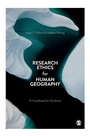
Research Ethics for Human Geography
A Handbook for Students
1st Edition
Published on 4. November 2020
384 pages
978-1-5264-1662-9 (ISBN)
Description

Research Ethics for Human Geography is a lively and engaging introduction to key ethical issues in geographical research by leading figures in the discipline. It addresses the wide range of ethical issues involved in collecting, analysing and writing up research across the social sciences, and explores and explains the more specific ethical issues associated with different forms of geographical inquiry.
Each chapter comprises detailed summaries and definitions, real-life case studies, student check-lists and annotated recommendations for reading, making the book a valuable toolkit for students undertaking all forms of geographical research, from local and overseas fieldwork, through to dissertation research, methods-training, and further research.
Each chapter comprises detailed summaries and definitions, real-life case studies, student check-lists and annotated recommendations for reading, making the book a valuable toolkit for students undertaking all forms of geographical research, from local and overseas fieldwork, through to dissertation research, methods-training, and further research.
Reviews / Votes
This is an important and timely book that will prove an essential resource for teaching about research ethics. It provides students with invaluable advice, information and reading as well as helpful examples of ethical practice in geographical research. -- Jo Little Finally we have a book that both expertly and accessibly outlines the myriad of ethical decisions that need to be worked through when embarking on research. This excellent text will be an invaluable resource for students undertaking research. -- Julian Bloomer This engaging textbook on preparing, and working through encountering challenging ethical consideration, processes and decisions to make (and live with) in human geography research will be of major interest to advanced under-graduate, masters and Doctoral students, as well as new academics. The chapters here are conceptual and systematic drawing on personal research experiences as well as case studies from the public literature, and come with recommendations for readers to consider and think through. -- Richard Kotter A comprehensive, clear, accessible and useful survey of ethical issues involved in human geography research. -- Yunpeng ZHANG This is an accessible and engaging text which provides a comprehensive guide to ethical considerations in human geography research. Through excellent contributions, conceptual discussion and practical research guidelines it forms an invaluable toolkit for undergraduate and postgraduate geographers. -- Will Andrews An easy to understand resource which is useful for postgraduate students and other people interested in research. -- Fleur Bowater This richly illustrated and incisive book brings together leading scholars to provide the most comprehensive and critical consideration of research ethics for human geography - and will now be the 'go to' text for students, teachers and researchers. -- Mark RileyMore details
Language
English
Place of publication
London
United Kingdom
Target group
College/higher education
ISBN-13
978-1-5264-1662-9 (9781526416629)
Copyright in bibliographic data and cover images is held by Nielsen Book Services Limited or by the publishers or by their respective licensors: all rights reserved.
Schweitzer Classification
Other editions
Additional editions
Book
10/2020
1st Edition
SAGE Publications Ltd
€154.40
Shipment within 15-20 days

Book
10/2020
1st Edition
SAGE Publications Ltd
€52.55
Shipment within 15-20 days
Persons
Helen F. Wilson is a social and cultural geographer and an Associate Professor in Human Geography at Durham University. Her research focuses on the politics of lived difference. She has published widely on the geographies of encounter, urban life and living, and how embodied difference is negotiated, contested, and supported in times of crisis and/or contestation. She is the co-editor of Encountering the City (Routledge, 2016).
Jonathan Darling is an Assistant Professor in Human Geography at Durham University. His research focuses on the ethics and politics of forced migration and considers how cities engage with questions of asylum and refuge. He has published widely on the politics of urban sanctuary, on refugee activism, and on the ethics of working with vulnerable groups. He is co-editor of Encountering the City (2014, Routledge), and Sanctuary Cities and Urban Struggles (Manchester University Press).
Jonathan Darling is an Assistant Professor in Human Geography at Durham University. His research focuses on the ethics and politics of forced migration and considers how cities engage with questions of asylum and refuge. He has published widely on the politics of urban sanctuary, on refugee activism, and on the ethics of working with vulnerable groups. He is co-editor of Encountering the City (2014, Routledge), and Sanctuary Cities and Urban Struggles (Manchester University Press).
Content
Chapter 1: Introducing Ethics - Helen F. Wilson and Jonathan Darling
Chapter 2: Geography and Ethics - Jonathan Darling and Helen F. Wilson
Part 1: Core Ethical Issues
Chapter 3: Positionality - Romola Sanyal
Chapter 4: Consent - Chris Philo and Eric Laurier
Chapter 5: Anonymity - Helen F. Wilson
Chapter 6: Sensitive topics - Peter Hopkins
Chapter 7: Power and Empowerment - Thomas Swerts
Chapter 8: Emotions - Elspeth Probyn
Chapter 9: Expectations - Jonathan Darling
Chapter 10: Statistics and Data - Niall Cunningham
Chapter 11: Data Management - Helen F. Wilson
Chapter 12: Avoiding the Weaponization of Research - Sara Koopman
Part 2: Approaches
Chapter 13: Radical Geographies - Raksha Pande
Chapter 14: Activist Geographies - Anthony Ince and Richard White
Chapter 15: Participatory Research - Michele Lobo, David Kelly and Helen F. Wilson
Chapter 16: Indigenous Methods - Renee Pualani Louis and Zoltan Grossman
Part 3: Subjects
Chapter 17: Vulnerable Subjects - Jonathan Darling
Chapter 18: Animals - Kathryn Gillespie
Chapter 19: Children and Young People - John Horton, Michelle Pyer, and Faith Tucker
Chapter 20: Historical Geographies and Archived Subjects - Derek Alderman and Joshua Inwood
Chapter 21: Powerful and Elite Subjects - Merje Kuus
Chapter 22: The Environment - Jenny Pickerill
Chapter 23: Public Spaces - Veronica Crossa
Part 4: Spaces
Chapter 24: Private and Domestic Spaces - Geraldine Pratt
Chapter 25: Spaces of Development - Jonathan Rigg
Chapter 26: Voluntary Spaces - Monica Farias and Helen F. Wilson
Chapter 27: Virtual Spaces and Social Media - Sam Kinsley
Chapter 28: Spaces of Disaster - Katie Oven, Hanna Ruszczyk, and Jonathan Rigg
Part 5: Committment
Chapter 29: Writing Research - Pat Noxolo
Chapter 2: Geography and Ethics - Jonathan Darling and Helen F. Wilson
Part 1: Core Ethical Issues
Chapter 3: Positionality - Romola Sanyal
Chapter 4: Consent - Chris Philo and Eric Laurier
Chapter 5: Anonymity - Helen F. Wilson
Chapter 6: Sensitive topics - Peter Hopkins
Chapter 7: Power and Empowerment - Thomas Swerts
Chapter 8: Emotions - Elspeth Probyn
Chapter 9: Expectations - Jonathan Darling
Chapter 10: Statistics and Data - Niall Cunningham
Chapter 11: Data Management - Helen F. Wilson
Chapter 12: Avoiding the Weaponization of Research - Sara Koopman
Part 2: Approaches
Chapter 13: Radical Geographies - Raksha Pande
Chapter 14: Activist Geographies - Anthony Ince and Richard White
Chapter 15: Participatory Research - Michele Lobo, David Kelly and Helen F. Wilson
Chapter 16: Indigenous Methods - Renee Pualani Louis and Zoltan Grossman
Part 3: Subjects
Chapter 17: Vulnerable Subjects - Jonathan Darling
Chapter 18: Animals - Kathryn Gillespie
Chapter 19: Children and Young People - John Horton, Michelle Pyer, and Faith Tucker
Chapter 20: Historical Geographies and Archived Subjects - Derek Alderman and Joshua Inwood
Chapter 21: Powerful and Elite Subjects - Merje Kuus
Chapter 22: The Environment - Jenny Pickerill
Chapter 23: Public Spaces - Veronica Crossa
Part 4: Spaces
Chapter 24: Private and Domestic Spaces - Geraldine Pratt
Chapter 25: Spaces of Development - Jonathan Rigg
Chapter 26: Voluntary Spaces - Monica Farias and Helen F. Wilson
Chapter 27: Virtual Spaces and Social Media - Sam Kinsley
Chapter 28: Spaces of Disaster - Katie Oven, Hanna Ruszczyk, and Jonathan Rigg
Part 5: Committment
Chapter 29: Writing Research - Pat Noxolo
