

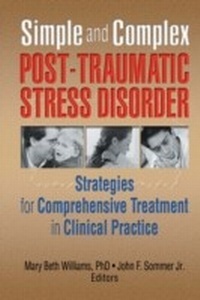
Simple and Complex Post-Traumatic Stress Disorder
Strategies for Comprehensive Treatment in Clinical Practice
1st Edition
Published on 25. February 2014
442 pages
978-1-317-79076-1 (ISBN)
Description

Discover the latest treatment strategies from the leading experts in the field of trauma!This unique book, by the authors of the classic Handbook of Post-Traumatic Therapy, provides the "how to" of clinical practice techniques in a variety of settings with a variety of clients. Simple and Complex Post-Traumatic Stress Disorder: Strategies for Comprehensive Treatment in Clinical Practice delivers state-of-the-art techniques and information to help traumatized individuals, groups, families, and communities. From critical incident debriefing to treating combat veterans with longstanding trauma, it covers the full spectrum of PTSD clients and effective treatments. This valuable book assembles some of the most highly respected experts in trauma studies to discuss the practical applications of their research and their experience treating clients with PTSD. Simple and Complex Post-Traumatic Stress Disorder addresses concerns about the efficacy of critical incident stress debriefing, examines the value of a variety of innovative treatment methods, and explores the differences between treating complex PTSD and the aftermath of a one-time traumatic event. Simple and Complex Post-Traumatic Stress Disorder discusses the issues, stages, and modalities of PTSD treatment, including:
assessment and diagnosis
psychopharmacological treatment
cognitive behavioral treatment
short-term treatment
group treatments
treatment strategies for traumatized children, families, hostages, police, and veterans
media issues
Simple and Complex Post-Traumatic Stress Disorder is an indispensable resource for clinicians, researchers, law enforcement officials, and scholars in the field of trauma.
assessment and diagnosis
psychopharmacological treatment
cognitive behavioral treatment
short-term treatment
group treatments
treatment strategies for traumatized children, families, hostages, police, and veterans
media issues
Simple and Complex Post-Traumatic Stress Disorder is an indispensable resource for clinicians, researchers, law enforcement officials, and scholars in the field of trauma.
More details
Language
English
Place of publication
London
United Kingdom
Publishing group
Taylor & Francis Ltd
Target group
College/higher education
File size
2,07 MB
ISBN-13
978-1-317-79076-1 (9781317790761)
Copyright in bibliographic data and cover images is held by Nielsen Book Services Limited or by the publishers or by their respective licensors: all rights reserved.
Schweitzer Classification
Other editions
Additional editions
Mary Beth Williams | John F. Sommer Jr.
Simple and Complex Post-Traumatic Stress Disorder
Strategies for Comprehensive Treatment in Clinical Practice
Book
10/2002
1st Edition
Routledge
€128.50
Shipment within 10-20 days
Mary Beth Williams | John F. Sommer Jr.
Simple and Complex Post-Traumatic Stress Disorder
Strategies for Comprehensive Treatment in Clinical Practice
Book
10/2002
1st Edition
Routledge
€90.50
Shipment within 10-20 days
Persons
Mary Beth Williams, John F Sommer Jr.
Content
* About the Editors
* Contributors
* Preface: Trauma in the New Millennium
* Purpose of the Book
* Chapter Organization
* Section I: Introduction
* Chapter 1. A Short History of PTSD from the Military Perspective
* Chapter 2. Assessment and Diagnosis of PTSD in Adults: A Comprehensive Psychological Approach
* Introduction
* Diagnosis versus Assessment
* Taking a Psychosocial History
* Methods of Assessment
* Using Assessment Results in Making Clinical Recommendations
* Summary
* Chapter 3. Approaches to the Treatment of PTSD
* Introduction
* The Symptomatology of PTSD
* Principles of Treatment
* Group Psychotherapy
* Concluding Remarks
* Chapter 4. Psychopharmacological Treatment in PTSD
* Introduction
* Antidepressants
* Buspirone
* Lithium
* Anticonvulsants
* Benzodiazepines
* Neuroleptics or Antipsychotic Agents ("Major Tranquilizers")
* Adrenergic Agents
* Opiate Antagonists
* Conclusion
* Section II: Treatment of PTSD in General
* Chapter 5. Cognitive-Behavioral Treatment of PTSD
* The Efficacy of Psychosocial Treatments
* Theoretical Considerations in Cognitive-Behavioral Therapy
* Treatment Overview
* Case Illustration
* Summary
* Appendix: Common Reactions to Assault Handout
* Chapter 6. Short-Term Treatment of Simple and Complex PTSD
* Introduction
* The History of Video-Assisted Trauma Therapy
* Principles of Time-Limited Trauma Therapy
* Applications of Video-Assisted Trauma Therapy
* Description of Treatment Procedures
* Conclusion
* Chapter 7. Life After Trauma: Finding Hope by Challenging Your Beliefs and Meeting Your Needs
* Introduction
* Impacts of Trauma
* The Meanings of Traumatic Events and Coping
* Working Through Traumatic Events
* Testing Beliefs
* Discerning the Meaning of Trust
* Getting Control
* Believing in Yourself and Others
* Feeling Close to Yourself; Getting Close to Others
* Conclusion
* Section III: Group Treatments
* Chapter 8. The Development of a Group Treatment Model for Post-Traumatic Stress Disorder
* Introduction
* Post-Traumatic Stress Disorder
* Etiological Theories
* The PTSD Group Treatment Programme
* The Development of the Tradition of Group Approaches
* Assessment
* Efficiency
* Biopsychosocial Strategy
* Technique
* Discussion
* Group Program for Complex PTSD
* Conclusion
* Chapter 9. Developing and Maintaining a Psychoeducational Group for Persons Diagnosed As DID/MPD/DDNOS
* Introduction
* History of the Group
* Composition and Structure of the Group
* Group Process
* Basic Principles in Conducting a Psychoeducational Support Group
* Benefits of Support Group Participation for Members
* Values of the Leaders
* Areas of Concern and Ethical Issues in the Group
* Contertransference and Vicarious Traumatization
* A Retrospective Look at the Group: What Did It Accomplish?
* Conclusions
* Appendix: Group Handouts
* Section IV: Children, Students, and Families
* Chapter 10. Treatment Strategies for Traumatized Children
* Brief Overview of the Literature
* Evaluation and Treatment Plan
* Educating the Child and Family About Trauma
* The Role of Parents
* Telling the Story
* Addressing the Symptoms
* Does Trauma Have Meaning?
* Issues of Development
* Follow-Up and Healing
* Conclusions
* Chapter 11. Provisions of Trauma Services to School Populations and Faculty
* Introduction
* Primary Prevention
* Secondary Prevention
* Intervention Strategies: A Case Illustration
* Tertiary Prevention
* Final Thoughts
* Chapter 12. Traumatic Stress in Family Systems
* Introduction
* Assessing Family System Trauma
* Treating Family System Trauma
* Preventing Family System Trauma
* Conclusions
* Chapter 13. Dealing with Trauma in the Classroom
* Surveying the Social La
* Contributors
* Preface: Trauma in the New Millennium
* Purpose of the Book
* Chapter Organization
* Section I: Introduction
* Chapter 1. A Short History of PTSD from the Military Perspective
* Chapter 2. Assessment and Diagnosis of PTSD in Adults: A Comprehensive Psychological Approach
* Introduction
* Diagnosis versus Assessment
* Taking a Psychosocial History
* Methods of Assessment
* Using Assessment Results in Making Clinical Recommendations
* Summary
* Chapter 3. Approaches to the Treatment of PTSD
* Introduction
* The Symptomatology of PTSD
* Principles of Treatment
* Group Psychotherapy
* Concluding Remarks
* Chapter 4. Psychopharmacological Treatment in PTSD
* Introduction
* Antidepressants
* Buspirone
* Lithium
* Anticonvulsants
* Benzodiazepines
* Neuroleptics or Antipsychotic Agents ("Major Tranquilizers")
* Adrenergic Agents
* Opiate Antagonists
* Conclusion
* Section II: Treatment of PTSD in General
* Chapter 5. Cognitive-Behavioral Treatment of PTSD
* The Efficacy of Psychosocial Treatments
* Theoretical Considerations in Cognitive-Behavioral Therapy
* Treatment Overview
* Case Illustration
* Summary
* Appendix: Common Reactions to Assault Handout
* Chapter 6. Short-Term Treatment of Simple and Complex PTSD
* Introduction
* The History of Video-Assisted Trauma Therapy
* Principles of Time-Limited Trauma Therapy
* Applications of Video-Assisted Trauma Therapy
* Description of Treatment Procedures
* Conclusion
* Chapter 7. Life After Trauma: Finding Hope by Challenging Your Beliefs and Meeting Your Needs
* Introduction
* Impacts of Trauma
* The Meanings of Traumatic Events and Coping
* Working Through Traumatic Events
* Testing Beliefs
* Discerning the Meaning of Trust
* Getting Control
* Believing in Yourself and Others
* Feeling Close to Yourself; Getting Close to Others
* Conclusion
* Section III: Group Treatments
* Chapter 8. The Development of a Group Treatment Model for Post-Traumatic Stress Disorder
* Introduction
* Post-Traumatic Stress Disorder
* Etiological Theories
* The PTSD Group Treatment Programme
* The Development of the Tradition of Group Approaches
* Assessment
* Efficiency
* Biopsychosocial Strategy
* Technique
* Discussion
* Group Program for Complex PTSD
* Conclusion
* Chapter 9. Developing and Maintaining a Psychoeducational Group for Persons Diagnosed As DID/MPD/DDNOS
* Introduction
* History of the Group
* Composition and Structure of the Group
* Group Process
* Basic Principles in Conducting a Psychoeducational Support Group
* Benefits of Support Group Participation for Members
* Values of the Leaders
* Areas of Concern and Ethical Issues in the Group
* Contertransference and Vicarious Traumatization
* A Retrospective Look at the Group: What Did It Accomplish?
* Conclusions
* Appendix: Group Handouts
* Section IV: Children, Students, and Families
* Chapter 10. Treatment Strategies for Traumatized Children
* Brief Overview of the Literature
* Evaluation and Treatment Plan
* Educating the Child and Family About Trauma
* The Role of Parents
* Telling the Story
* Addressing the Symptoms
* Does Trauma Have Meaning?
* Issues of Development
* Follow-Up and Healing
* Conclusions
* Chapter 11. Provisions of Trauma Services to School Populations and Faculty
* Introduction
* Primary Prevention
* Secondary Prevention
* Intervention Strategies: A Case Illustration
* Tertiary Prevention
* Final Thoughts
* Chapter 12. Traumatic Stress in Family Systems
* Introduction
* Assessing Family System Trauma
* Treating Family System Trauma
* Preventing Family System Trauma
* Conclusions
* Chapter 13. Dealing with Trauma in the Classroom
* Surveying the Social La
