

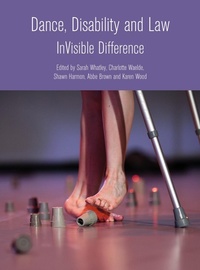
Dance, Disability and Law
InVisible Difference
Published on 15. July 2018
978-1-78320-869-2 (ISBN)
Description

This collection is the first book to focus on the intersection of dance, disability, and the law. Bringing together a range of writers from different disciplines, it considers the question of how we value, validate, and speak about diversity in performance practice, with a specific focus on the experience of differently-abled dance artists within the changing world of the arts in the United Kingdom. Contributors address the legal frameworks that support or inhibit the work of disabled dancers and explore factors that affect their full participation, including those related to policy, arts funding, dance criticism, and audience reception.
Reviews / Votes
The six coeditors of this reference, who are variously scholars of dance and law, focus on the nexus between normative (often idealized) dance, what the British call disabled dance, and the law. The text highlights the fact that dancers with disabilities don't conform to the expected parameters of athleticism and grace that epitomize most able-bodied performance. These dancers are often marginalized, and public awareness of the vast talent expressed by dancers with disabilities is therefore limited; the audience has very different expectations of the performance of a dancer with a disability versus an able-bodied performer's. The volume's contributors are chiefly British; most are performers with a disability who share their experiences and knowledge, highlighting both the challenges faced on a daily basis as well as the passionate joy of creating an enjoyable production. Many productions described in this text aim to dismantle societal stereotypes of disability by inviting the audience to experience the dynamics of living with a disability. Equal rights and accessibility to events are mandated by the Disability Discrimination Act of Britain. Though focused on the UK, this text offers an engaging look at a relatively understudied community. -- D. J. Winchester * Choice Connect, Vol 56. No. 6 *More details
Language
English
Place of publication
United Kingdom
Publishing group
Intellect
ISBN-13
978-1-78320-869-2 (9781783208692)
Copyright in bibliographic data and cover images is held by Nielsen Book Services Limited or by the publishers or by their respective licensors: all rights reserved.
Schweitzer Classification
Other editions
Additional editions
Book
06/2018
Intellect Books
€86.30
Shipment within 3-4 weeks
Persons
Sarah Whatley is Professor of Dance at Coventry University.
Charlotte Waelde is professor of intellectual property law at Coventry University.
Shawn Harmon is a deputy director at the Mason Institute.
Abbe Brown is a reader at the University of Aberdeen.
Karen Wood is a dance practitioner, researcher, and educator.
Hetty Blades is a research fellow at Coventry University.
Charlotte Waelde is professor of intellectual property law at Coventry University.
Shawn Harmon is a deputy director at the Mason Institute.
Abbe Brown is a reader at the University of Aberdeen.
Karen Wood is a dance practitioner, researcher, and educator.
Hetty Blades is a research fellow at Coventry University.
Content
Preface
Sita Popat
Introduction
Sarah Whatley, Charlotte Waelde, Shawn Harmon, Abbe Brown, Karen Wood, Kate Marsh and Mathilde Pavis
Section I: Disability, Dance and Critical Frameworks
Chapter 1: Disabled Dance: Barriers to Proper Inclusion within Our Cultural Milieu
Shawn Harmon, Charlotte Waelde and Sarah Whatley
Chapter 2: Cultural Heritage and the Unseen Community
Fiona Macmillan
Chapter 3: An Analysis of Reporting and Monitoring in Relation to the United Nations Convention on the Rights of Persons with Disabilities, the Right to Participation in Cultural Life and Intellectual Property
Catherine Easton
Chapter 4: A Dance of Difference: The Tripartite Model of Disability and the Cultural Heritage of Dance
David Bolt and Heidi Mapley
Chapter 5: In a Different Light? Broadening the Bioethics Perspective through Dance
Shawn Harmon
Section II: Disability, Dance and the Demands of a New Aesthetic
Chapter 6: A Wondering (in Three Parts)
Luke Pell
Chapter 7: A New Foundation: Physical Integrity, Disabled Dance and Cultural Heritage
Abbe Brown, Shawn Harmon, Kate Marsh, Mathilde Pavis, Charlotte Waelde, Sarah Whatley and Karen Wood
Chapter 8: Disability and Dance: The Disabled Sublime or Joyful Encounters?
Janice Richardson
Chapter 9: Moving Towards a New Aesthetic: Dance and Disability
Shawn Harmon, Kate Marsh, Sarah Whatley and Karen Wood
Chapter 10: What We Can Do with Choreography, and What Choreography Can Do with Us
A conversation between Catherine Long and Nicola Conibere
Chapter 11: Dancing Identity: The Journey from Freak to Hero and Beyond
Eimir McGrath
Chapter 12: Dance Disability and Aesthetics: A Changing Discourse
Margaret Ames
Section III: Disability, Dance and Audience Engagement
Chapter 13: The (Disabled) Artist Is Present
Claire Cunningham
Chapter 14: Disability, Disabled Dance Audiences and the Dilemma of Neuroaesthetic Approaches to Perception and Interpretation
Bree Hadley
Chapter 15: Finding It When You Get There
Adam Benjamin
Sita Popat
Introduction
Sarah Whatley, Charlotte Waelde, Shawn Harmon, Abbe Brown, Karen Wood, Kate Marsh and Mathilde Pavis
Section I: Disability, Dance and Critical Frameworks
Chapter 1: Disabled Dance: Barriers to Proper Inclusion within Our Cultural Milieu
Shawn Harmon, Charlotte Waelde and Sarah Whatley
Chapter 2: Cultural Heritage and the Unseen Community
Fiona Macmillan
Chapter 3: An Analysis of Reporting and Monitoring in Relation to the United Nations Convention on the Rights of Persons with Disabilities, the Right to Participation in Cultural Life and Intellectual Property
Catherine Easton
Chapter 4: A Dance of Difference: The Tripartite Model of Disability and the Cultural Heritage of Dance
David Bolt and Heidi Mapley
Chapter 5: In a Different Light? Broadening the Bioethics Perspective through Dance
Shawn Harmon
Section II: Disability, Dance and the Demands of a New Aesthetic
Chapter 6: A Wondering (in Three Parts)
Luke Pell
Chapter 7: A New Foundation: Physical Integrity, Disabled Dance and Cultural Heritage
Abbe Brown, Shawn Harmon, Kate Marsh, Mathilde Pavis, Charlotte Waelde, Sarah Whatley and Karen Wood
Chapter 8: Disability and Dance: The Disabled Sublime or Joyful Encounters?
Janice Richardson
Chapter 9: Moving Towards a New Aesthetic: Dance and Disability
Shawn Harmon, Kate Marsh, Sarah Whatley and Karen Wood
Chapter 10: What We Can Do with Choreography, and What Choreography Can Do with Us
A conversation between Catherine Long and Nicola Conibere
Chapter 11: Dancing Identity: The Journey from Freak to Hero and Beyond
Eimir McGrath
Chapter 12: Dance Disability and Aesthetics: A Changing Discourse
Margaret Ames
Section III: Disability, Dance and Audience Engagement
Chapter 13: The (Disabled) Artist Is Present
Claire Cunningham
Chapter 14: Disability, Disabled Dance Audiences and the Dilemma of Neuroaesthetic Approaches to Perception and Interpretation
Bree Hadley
Chapter 15: Finding It When You Get There
Adam Benjamin
