


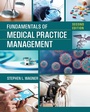
Fundamentals of Medical Practice Management, Second Edition
Description

Fundamentals of Medical Practice Management provides an overview of various aspects of medical practice operations, from contract law to information technology. This introductory text explores not only what needs to be done but also when and why.
Medical practices, like other healthcare organizations, continue to feel the effects of the COVID-19 pandemic. The book discusses the fallout, including the increase in staff burnout and the need to be prepared for the next crisis. The importance of complementary and alternative medicine is emphasized in the book, with new research on the relevance to medical practice.
This edition also features new and updated coverage on:
Cultural competency, workforce diversity and inclusion, and gender equityThe changing practice landscape, including the decline in independent practiceCybersecurity, artificial intelligence, and medical practice system integration
Students in organizational programs, undergraduate and master''s degree programs in health administration, and practice management certification programs will benefit from this book. Its insights will also help current practice managers update and refine their skills.
More details
Other editions
New editions
Content
- Intro
- Halftitle
- Title Page
- Copyright
- Brief Contents
- Detailed Contents
- Preface
- Acknowledgments
- Chapter 1 The Origins and History of Medicine and Medical Practice
- Learning Objectives
- Introduction
- Lifelong Learning
- The American Healthcare System
- Practice Management Resources
- The Dimensions of Medical Practice
- Types of Practitioners
- Practice Ownership
- Licensing Physicians
- Medical Training
- What Is Changing?
- What Are Some of Today's Challenges?
- Leadership Challenges
- The Cloud of Anxiety
- Discussion Questions
- References
- Chapter 2 Practice Models and Legal Organization
- Learning Objectives
- Structures and Organization
- Affiliation Versus Employment Models and the Corporate Practice of Medicine
- Culture and Organization
- Academic Medical Centers and Physician Practice Management
- Accountable Care Organizations
- Clinical Integration
- Patient-Centered Medical Homes
- Integrated Delivery Systems
- Mergers and Acquisitions
- The "Great Double Cross"
- The Changing Landscape of Physician Practice in the COVID-19 ERA
- Discussion Questions
- References
- Chapter 3 Information Technology and Management
- Learning Objectives
- Introduction
- Performance
- Interface
- Education and Training
- Meaningful Use
- Practice Management Systems
- Other Important Systems in the Medical Practice
- The Patient Flow Process and IT's Role
- Interoperability
- Value-Based Care and IT
- Practical Aspects of Medical Practice Information Systems
- Discussion Questions
- References
- Chapter 4 Regulatory Issues, the Law, and Practice Management
- Learning Objectives
- Introduction
- Jurisdiction
- Laws Regulating the Organization and Governance of Corporations
- Corporate Organizational Documents
- Contract Law
- Federal and State Taxation
- Antitrust Laws
- Labor Laws
- Federal Laws Governing Medicare Fraud and Abuse
- Medical Records Regulations
- Malpractice
- The Medical Practices Act
- Certificate-of-Need Laws
- Risk Assessment
- Discussion Questions
- References
- Chapter 5 Strategic Planning, Project Management, and Marketing in Practice Management
- Learning Objectives
- Introduction
- Strategic Planning
- Choosing a Strategic Alternative
- Developing a Communication Plan
- Strengths, Weaknesses, Opportunities, and Threats Analysis
- Force Field Analysis
- Economic Analysis of a New or Improved Service
- Analysis of a Capital Investment
- Project Management
- What Is Marketing?
- Discussion Questions
- References
- Chapter 6 Third-Party Payers, the Revenue Cycle, and the Medical Practice
- Learning Objectives
- Introduction
- Role and Scope of Financing Healthcare
- Management Decisions
- Insurance Concepts
- Types of Health Coverage
- An Illness System, Not a Health System
- Managed Care
- Government Health Insurance Programs
- The Revenue Cycle
- The Reimbursement System for Physicians Is Continuing to Undergo Significant Changes
- Medicare Physician Fee Schedule
- Resource-Based Relative Value Scale
- Medicare Access and CHIP Reauthorization Act
- Discussion Questions
- References
- Chapter 7 Financial Management and Managerial Accounting in the Physician Practice
- Learning Objectives
- Introduction
- Cost Behavior
- Accounting Methods
- Budgeting
- Financial Statements
- Monitoring Financial Performance
- Physician and Other Provider Compensation
- Administering Value-Based Contracts
- The Future of Practice Financial Management
- Discussion Questions
- References
- Chapter 8 Human Resources Management
- Learning Objectives
- Introduction
- The People in the Practice
- The Employment, Recruiting, and Hiring Process
- Talent Management
- Employment Policies and Procedures
- Organization Development
- Employee Development
- Change Management
- Conflict Management
- Diversity and Inclusion
- Reward and Recognition
- Workforce Shortages
- Burnout
- The Future Workforce
- Discussion Questions
- References
- Chapter 9 Leading, Managing, and Governing Within Organizational Dynamics
- Learning Objectives
- Introduction
- The Basics and Theories of Leadership
- Leadership Versus Management
- The Dyad Leadership Model in Practice Management
- Leadership: Mission, Vision, and Values
- Professionalism
- Leadership Styles
- Organizational Conscientiousness
- Emotional Intelligence
- Generational Issues in the Medical Practice
- Diversity and Inclusion Issues for Leadership
- Giving and Receiving Feedback
- Governance and Organizational Dynamics
- Conducting Meetings
- Assessing Leadership Success
- Managing and Leading in an Increasingly Complex Internal and External Environment
- Discussion Questions
- References
- Additional Reading
- Chapter 10 Quality Management in the Physician Practice
- Learning Objectives
- Introduction
- Safety Is Improving
- Quality and Safety Improvement
- The Triple Aim
- The Quadruple Aim
- Quality Improvement Processes
- Quality Improvement Tools
- Data Analytics
- Discussion Questions
- References
- Chapter 11 Emergency Management and the Medical Practice
- Learning Objectives
- Introduction
- The New Nature of Emergencies
- The Key Dilemma
- Emergency Management
- Developing an Emergency Preparedness Plan for the Practice
- Who Is an Emergency Manager?
- Community Emergency Response Teams
- Special Situations
- Collaborative Emergency Management
- Discussion Questions
- References
- Chapter 12 The Future and Medical Practice Innovation
- Learning Objectives
- Introduction
- Forces of Change
- The Lesson of the Affordable Care Act
- The Promise of Community-Based Primary Care
- The "New Era" in Medical Education
- Future Workforce Challenges
- Global Threats and International Cooperation
- Advances in Imaging and Laboratory Testing
- Evidence-Based Healthcare
- Data Analytics and Artificial Intelligence
- Population Health
- Chronic Disease
- Underserved Areas and Community Health Centers
- Genomics and Precision Medicine
- The Internet and Self-Efficacy
- Nontraditional Providers
- Site-Based Corporate Medical Services
- Concierge Practices
- Wearables and Internet-Based Medical Services
- Social Media
- Alternative and Complementary Medicine
- Behavioral Economics and Changing Patient Behavior
- Discussion Questions
- References
- Appendix
- Glossary
- Index
- About the Author
