

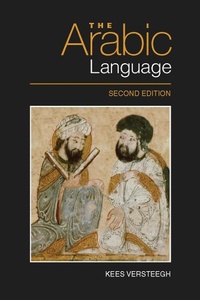
Arabic Language
Description

Covering all aspects of the history of Arabic, the Arabic linguistic tradition, Arabic dialects, sociolinguistics and Arabic as a world language, this introductory guide is perfect for students of Arabic, Arabic historical linguistics and Arabic sociolinguistics. Concentrating on the difference between the two types of Arabic - the classical standard language and the dialects - Kees Versteegh charts the history and development of the Arabic language from its earliest beginnings to modern times. Students will gain a solid grounding in the structure of the language, its historical context and its use in various literary and non-literary genres, as well as an understanding of the role of Arabic as a cultural, religious and political world language. New for this edition: additional chapters on the structure of Arabic, Bilingualism and Arabic pidgins and creoles; a full explanation of the use of conventional Arabic transcription and IPA characters; an updated bibliography and all chapters have been revised and updated in light of recent research.
More details
Other editions
Additional editions
Content
- Intro
- Titlepage
- Contents
- Preface to First Edition
- Preface to Second Edition
- Figures and Maps
- Tables
- Note on Transcription and Glossing
- Chapter 1
- Chapter 2
- Chapter 3
- Chapter 4
- Chapter 5
- Chapter 6
- Chapter 7
- Chapter 8
- Chapter 9
- Chapter 10
- Chapter 11
- Chapter 12
- Chapter 13
- Chapter 14
- Chapter 15
- Chapter 16
- Chapter 17
- Bibliography
- Abbreviations
- Index
