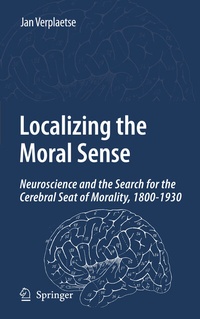
Localizing the Moral Sense
Description

Due to the current revolution in brain research the search for the "moral brain" became a serious endeavour. Nowadays, neural circuits that are indispensable for moral and social behaviour are discovered and the brains of psychopaths and criminals - the classical anti-heroes of morality - are scanned with curiosity, even enthusiasm.
How revolutionary this current research might be, the quest for a localisable ethical centre or moral organ is far from new. The moral brain was a recurrent theme in the works of neuroscientists during the 19th and 20th century. From the phrenology era to the encephalitis pandemic in the 1920s a wide range of European and American scientists (neurologists, psychiatrists, anthropologists and criminologists) speculated about and discussed the location of a moral sense in the human cortex. Encouraged by medical discoveries and concerned by terrifying phenomena like crime or "moral insanity" (psychopathy) even renowned and outstanding neurologists, including Moritz Benedikt, Paul Flechsig, Arthur Van Gehuchten, Oskar Vogt or Constantin von Monakow, had the nerve to make their speculations public. This book presents the first overview of believers and disbelievers in a cerebral seat of human morality, their positions and arguments and offers an explanation for these historical attempts to localise our moral sense, in spite of the massive disapproving commentary launched by colleagues.
Reviews / Votes
From the reviews:
"Verplaetse's book begins with a long discussion of conscience and the moral sense through the eighteenth century. . Each chapter is filled with . detailed accounts of the views on the localization of higher faculties particularly related to the moral sense. . thus may be interest . to the specialist." (Charles Gross, Social History of Medicine, Vol. 11 (3), September, 2010)More details
Other editions
Additional editions