

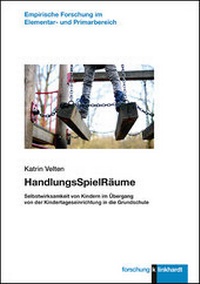
HandlungsSpielRäume
Selbstwirksamkeit von Kindern im Übergang von der Kindertageseinrichtung in die Grundschule
1st Edition
Published on 6. March 2020
408 pages
978-3-7815-5807-6 (ISBN)
Description

Selbstwirksamkeit kann als Schlüsselfaktor für die Bewältigung des Übergangs in die Grundschule und für weitere Lernprozesse betrachtet werden. Es ist allerdings weitgehend unklar, inwiefern sich Kinder in der Kindertageseinrichtung und Grundschule als selbstwirksam erleben und ob und wie sie hierbei Freiräume für persönlich bedeutsame Handlungen wahrnehmen.
Mit der qualitativ-längsschnittlichen Interviewstudie werden Ergebnisse zur Perspektive von befragten Vor- und Grundschulkindern auf ihre Selbstwirksamkeitserfahrungen vorgelegt, die sowohl Hinweise für die Unterstützung der Selbstwirksamkeit in der pädagogischen Praxis im Sinn eines Mastery-Klimas als auch zur Reflexion des Konzepts der generationalen Ordnung in Bildungsinstitutionen liefern.
Insbesondere Spielsituationen ohne Beteiligung von Erwachsenen und das Freispiel oder die Spielpause erweisen sich hier unabhängig von höheren oder niedrigeren Selbstwirksamkeitserwartungen als zentral für die Selbstwirksamkeit der befragten Kinder.
Im Zusammenhang mit Erwachsenen beschreiben die befragten Kinder Mechanismen wie z.B. das "Fragen und Dürfen" oder Strategien wie z.B. das von ihnen so bezeichnete "Nicht-Hören" oder "Quatschmachen", über die sie persönliche Handlungsspielräume generieren, schreiben den Erwachsenen aber auch einen Expert*innenstatus zu, über den sie wahrgenommene Hierarchien in beiden Institutionen erklären.
More details
Other editions
Additional editions
Katrin Velten
HandlungsSpielRäume
Selbstwirksamkeit von Kindern im Übergang von der Kindertageseinrichtung in die Grundschule
Book
03/2020
Verlag Julius Klinkhardt
€49.90
Available immediately
Person
Content
1 - Katrin Velten: HandlungsSpielRäume [Seite 1]
2 - Empirische Forschung im Elementar- und Primarbereich Band 7 herausgegeben vonAndreas Hartinger, Friederike Heinzel, Gisela Kammermeyer und Sabine Martschinke [Seite 3]
3 - Titelei [Seite 4]
4 - Impressum [Seite 5]
5 - Zusammenfassung [Seite 6]
6 - Abstract [Seite 7]
7 - Vorwort und Danksagung [Seite 8]
8 - Inhaltsverzeichnis [Seite 10]
9 - 1 Einleitung [Seite 12]
10 - 2 Der Übergang von der Kindertageseinrichtung in die Grundschule [Seite 18]
10.1 - 2.1 Übergang - Definition des Begriffs [Seite 19]
10.2 - 2.2 Theoretische Grundlagen des Übergangs von der Kindertageseinrichtung in die Grundschule [Seite 21]
10.3 - 2.3 Empirische Befunde zum Übergang von der Kindertageseinrichtung in die Grundschule [Seite 31]
11 - 3 Die Entwicklung von Kindern im Übergang von der Kindertageseinrichtung in die Grundschule [Seite 42]
11.1 - 3.1 Der kognitive und sprachliche Entwicklungsstand [Seite 43]
11.2 - 3.2 Die Entwicklung der Identität und selbstbezogener Kognitionen [Seite 50]
11.3 - 3.3 Die Rolle des Spielens in der Entwicklung [Seite 57]
11.4 - 3.4 Die Rolle von Beziehungen zu Peers und Freundschaften in der Entwicklung [Seite 61]
12 - 4 Selbstwirksamkeit [Seite 64]
12.1 - 4.1 Grundbetrachtung - Der Mensch als aktiv handelndes Subjekt [Seite 64]
12.2 - 4.2 Der Rahmen - Die sozial-kognitive Theorie [Seite 67]
12.3 - 4.3 Das Konstrukt der Selbstwirksamkeit [Seite 69]
13 - 5 Zwischenfazit und Implikationen für die vorliegende Untersuchung [Seite 96]
14 - 6 Methodologische und methodische Rahmung der Untersuchung [Seite 100]
14.1 - 6.1 Grundüberlegungen zur Forschung über Kinder und mit Kindern - Kindheitsforschung [Seite 100]
14.2 - 6.2 Zentrale Fragestellungen und Ziele der Untersuchung [Seite 113]
14.3 - 6.3 Forschungsmethodische Ausrichtung der Untersuchung [Seite 115]
15 - 7 Darstellung und Analyse der Ergebnisse [Seite 146]
15.1 - 7.1 Selbstwirksamkeitserwartungen [Seite 147]
15.2 - 7.2 Fallanalytische Betrachtung [Seite 170]
15.3 - 7.3 Selbstwirksamkeitserfahrungen [Seite 276]
16 - 8 Diskussion, Reflexion und Ausblick [Seite 362]
16.1 - 8.1 Diskussion der Ergebnisse [Seite 362]
16.2 - 8.2 Reflexion unter methodologischer und methodischer Perspektive [Seite 385]
16.3 - 8.3 Ausblick [Seite 389]
17 - Verzeichnisse [Seite 396]
17.1 - Literaturverzeichnis [Seite 396]
17.2 - Abbildungsverzeichnis [Seite 409]
17.3 - Tabellenverzeichnis [Seite 409]
18 - Rückumschlag [Seite 410]
2 - Empirische Forschung im Elementar- und Primarbereich Band 7 herausgegeben vonAndreas Hartinger, Friederike Heinzel, Gisela Kammermeyer und Sabine Martschinke [Seite 3]
3 - Titelei [Seite 4]
4 - Impressum [Seite 5]
5 - Zusammenfassung [Seite 6]
6 - Abstract [Seite 7]
7 - Vorwort und Danksagung [Seite 8]
8 - Inhaltsverzeichnis [Seite 10]
9 - 1 Einleitung [Seite 12]
10 - 2 Der Übergang von der Kindertageseinrichtung in die Grundschule [Seite 18]
10.1 - 2.1 Übergang - Definition des Begriffs [Seite 19]
10.2 - 2.2 Theoretische Grundlagen des Übergangs von der Kindertageseinrichtung in die Grundschule [Seite 21]
10.3 - 2.3 Empirische Befunde zum Übergang von der Kindertageseinrichtung in die Grundschule [Seite 31]
11 - 3 Die Entwicklung von Kindern im Übergang von der Kindertageseinrichtung in die Grundschule [Seite 42]
11.1 - 3.1 Der kognitive und sprachliche Entwicklungsstand [Seite 43]
11.2 - 3.2 Die Entwicklung der Identität und selbstbezogener Kognitionen [Seite 50]
11.3 - 3.3 Die Rolle des Spielens in der Entwicklung [Seite 57]
11.4 - 3.4 Die Rolle von Beziehungen zu Peers und Freundschaften in der Entwicklung [Seite 61]
12 - 4 Selbstwirksamkeit [Seite 64]
12.1 - 4.1 Grundbetrachtung - Der Mensch als aktiv handelndes Subjekt [Seite 64]
12.2 - 4.2 Der Rahmen - Die sozial-kognitive Theorie [Seite 67]
12.3 - 4.3 Das Konstrukt der Selbstwirksamkeit [Seite 69]
13 - 5 Zwischenfazit und Implikationen für die vorliegende Untersuchung [Seite 96]
14 - 6 Methodologische und methodische Rahmung der Untersuchung [Seite 100]
14.1 - 6.1 Grundüberlegungen zur Forschung über Kinder und mit Kindern - Kindheitsforschung [Seite 100]
14.2 - 6.2 Zentrale Fragestellungen und Ziele der Untersuchung [Seite 113]
14.3 - 6.3 Forschungsmethodische Ausrichtung der Untersuchung [Seite 115]
15 - 7 Darstellung und Analyse der Ergebnisse [Seite 146]
15.1 - 7.1 Selbstwirksamkeitserwartungen [Seite 147]
15.2 - 7.2 Fallanalytische Betrachtung [Seite 170]
15.3 - 7.3 Selbstwirksamkeitserfahrungen [Seite 276]
16 - 8 Diskussion, Reflexion und Ausblick [Seite 362]
16.1 - 8.1 Diskussion der Ergebnisse [Seite 362]
16.2 - 8.2 Reflexion unter methodologischer und methodischer Perspektive [Seite 385]
16.3 - 8.3 Ausblick [Seite 389]
17 - Verzeichnisse [Seite 396]
17.1 - Literaturverzeichnis [Seite 396]
17.2 - Abbildungsverzeichnis [Seite 409]
17.3 - Tabellenverzeichnis [Seite 409]
18 - Rückumschlag [Seite 410]
