

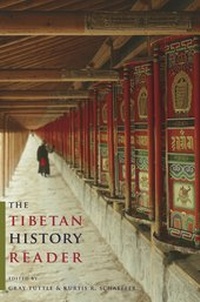
The Tibetan History Reader
1st Edition
Published on 9. April 2013
752 pages
978-0-231-51354-8 (ISBN)
Description

Covering the social, cultural, and political development of Tibet from the seventh century to the modern period, this resource reproduces essential, hard-to-find essays from the past fifty years of Tibetan studies, along with several new contributions. Beginning with Tibet's emergence as a regional power and concluding with its profound contemporary transformations, the collection is both a general and specific history, connecting the actions of individuals, communities, and institutions to broader historical trends shaping Asia and the world. With contributions from American, French, German, Italian, Chinese, Japanese, and Tibetan scholars, the anthology reflects the international character of Tibetan studies and its multiple, interdisciplinary perspectives. By far the most concise scholarly anthology on Tibetan civilization in any Western language, this reader draws a clear portrait of Tibet's history, its relation to its neighbors, and its role in world affairs.
All prices
More details
Other editions
Additional editions
Gray Tuttle | Kurtis Schaeffer
The Tibetan History Reader
Book
04/2013
Columbia University Press
€150.04
Article not available at the moment
Gray Tuttle | Kurtis Schaeffer
The Tibetan History Reader
Book
04/2013
Columbia University Press
€52.08
Shipment within 10-20 days
Persons
Gray Tuttle is the Leila Hadley Luce Associate Professor of Modern Tibet in the Department of East Asian Languages and Cultures at Columbia University. He is the author of Tibetan Buddhists in the Making of Modern China and the editor of Mapping the Modern in Tibet, and coeditor, with Kurtis R. Schaeffer and Matthew T. Kapstein, of Sources of Tibetan Tradition.
Kurtis R. Schaeffer is professor and chair of the Department of Religious Studies at the University of Virginia. He is the author of The Culture of the Book in Tibet and Himalayan Hermitess: The Life of a Tibetan Buddhist Nun, and coeditor, with Gray Tuttle and Matthew T. Kapstein, of Sources of Tibetan Tradition.
Kurtis R. Schaeffer is professor and chair of the Department of Religious Studies at the University of Virginia. He is the author of The Culture of the Book in Tibet and Himalayan Hermitess: The Life of a Tibetan Buddhist Nun, and coeditor, with Gray Tuttle and Matthew T. Kapstein, of Sources of Tibetan Tradition.
Content
Preface and Acknowledgments
Dates in Tibetan History and Key Events in Neighboring Lands
Maps
Part I. From Prehistory to History
1. The Prehistory of the Tibetan Plateau to the Seventh Century A.D. Mark Aldenderfer and Zhang Yinong.
2. Some Reflections on the Periodization of Tibetan History. Bryan Cuevas.
3. History as Myth: On the Appropriation of the Past in Tibetan Culture. Peter Schwieger.
Part II. Imperial Tibet (Seventh to Tenth Centuries)
4. Remarks on the Mani Kabum and the Cult of Avalokitesvara in Tibet. Matthew T. Kapstein.
5. On the Tibetan Historiography and Doxography of the 'Great Debate of Samyé.' David Seyfort Ruegg.
Imperial Politics
6. The Context of Old Tibetan Inscriptions. Fang Kuei Li and W. South Coblin.
7. The Tibetans in the Ordos and North China: Considerations on the Role of the Tibetan Empire in World History. Christopher I. Beckwith.
Part III. Tibetan Revivals (Tenth to Twelfth Centuries)
8. The Tibetan Tribes of Hexi and Buddhism during the Northern Song Period. Tsotumo Iwasaki.
9. Rulers of Western Tibet. David Snellgrove.
10. The Bön Religion of Tibet. Per Kvaerne.
11. The Evolution of Monastic Power. R. A. Stein.
Part IV. Lamas and Patrons: Tibet and the Mongols (Thirteenth to Fourteenth Centuries)
12. The Preceptor-Donor Relation in Thirteenth Century Tibetan Society and Polity, its Inner Asian Precursors and Indian Models. David Seyfort Ruegg.
13. The Mongol Census in Tibet. Luciano Petech.
14. Sakya Pandita's Letter to the Tibetans: A Late and Dubious Addition to His Collected Works. David P. Jackson.
Part V. Centers of Power and Religious Learning (Fourteenth to Eighteenth Centuries)
15. The Rise of the Pakmodru Dynasty. Luciano Petech.
16. Monastic Patronage in 15th century Tibet. Turrell V. Wylie.
17. Central Tibetan Conflict in the 16th Century. Guiseppe Tucci.
18. The He Clan of Hezhou: A Tibetan Family in Service to the Yuan and Ming Dynasties. Elliot Sperling.
19. Bön in Central and Eastern Tibet. Samten Karmay
Part VI. Modern Tibet (Seventeenth to Twentieth Centuries)
Central Tibetan Leadership
20. The Dalai Lamas and the Origins of Reincarnate Lamas. Leonard W. J. van der Kuijp.
21. The Fifth Dalai Lama. Kurtis R. Schaeffer.
22. Experience, Empiricism, and the Fortunes of Authority: Tibetan Medicine and Buddhism on the Eve of Modernity. Janet Gyatso.
Tibet and the Manchus
23. The Administration of Tibet during the First Half-Century of Chinese Protectorate. Luciano Petech.
24. Lobjang Danjin's Rebellion of 1723. Katô Naoto.
25. Aristocracy and Government in Tibet: 1728--1959. Luciano Petech.
Trade and Commerce
26. Gold, Wool and Musk: Trade in Lhasa in the Seventeenth Century. Luce Boulnois.
27. The Circulation of Estates in Tibet: Reincarnation, Land and Politics. Melvyn C. Goldstein.
28. The Geo-History of Long-Distance Trade in Tibet 1850--1950. Wim van Spengen.
Institutional Growth beyond Central Tibet
29. The Kingdom of Dergé. Lauran R. Hartley.
30. Labrang: A Tibetan Buddhist Monastery at the Crossroads of Four Civilizations. Paul Nietupski.
Tibet in a Global Context
31. Uniting Religion and Politics in a Bid for Autonomy: Lamas in Exile in China and America. Gray Tuttle.
32. Progressives and Exiles. Heather Stoddard.
33. The Genesis of the Sino-Tibetan Agreement of 1951. Tsering Shakya.
Full References to Original Articles
Bibliography
Index
Dates in Tibetan History and Key Events in Neighboring Lands
Maps
Part I. From Prehistory to History
1. The Prehistory of the Tibetan Plateau to the Seventh Century A.D. Mark Aldenderfer and Zhang Yinong.
2. Some Reflections on the Periodization of Tibetan History. Bryan Cuevas.
3. History as Myth: On the Appropriation of the Past in Tibetan Culture. Peter Schwieger.
Part II. Imperial Tibet (Seventh to Tenth Centuries)
4. Remarks on the Mani Kabum and the Cult of Avalokitesvara in Tibet. Matthew T. Kapstein.
5. On the Tibetan Historiography and Doxography of the 'Great Debate of Samyé.' David Seyfort Ruegg.
Imperial Politics
6. The Context of Old Tibetan Inscriptions. Fang Kuei Li and W. South Coblin.
7. The Tibetans in the Ordos and North China: Considerations on the Role of the Tibetan Empire in World History. Christopher I. Beckwith.
Part III. Tibetan Revivals (Tenth to Twelfth Centuries)
8. The Tibetan Tribes of Hexi and Buddhism during the Northern Song Period. Tsotumo Iwasaki.
9. Rulers of Western Tibet. David Snellgrove.
10. The Bön Religion of Tibet. Per Kvaerne.
11. The Evolution of Monastic Power. R. A. Stein.
Part IV. Lamas and Patrons: Tibet and the Mongols (Thirteenth to Fourteenth Centuries)
12. The Preceptor-Donor Relation in Thirteenth Century Tibetan Society and Polity, its Inner Asian Precursors and Indian Models. David Seyfort Ruegg.
13. The Mongol Census in Tibet. Luciano Petech.
14. Sakya Pandita's Letter to the Tibetans: A Late and Dubious Addition to His Collected Works. David P. Jackson.
Part V. Centers of Power and Religious Learning (Fourteenth to Eighteenth Centuries)
15. The Rise of the Pakmodru Dynasty. Luciano Petech.
16. Monastic Patronage in 15th century Tibet. Turrell V. Wylie.
17. Central Tibetan Conflict in the 16th Century. Guiseppe Tucci.
18. The He Clan of Hezhou: A Tibetan Family in Service to the Yuan and Ming Dynasties. Elliot Sperling.
19. Bön in Central and Eastern Tibet. Samten Karmay
Part VI. Modern Tibet (Seventeenth to Twentieth Centuries)
Central Tibetan Leadership
20. The Dalai Lamas and the Origins of Reincarnate Lamas. Leonard W. J. van der Kuijp.
21. The Fifth Dalai Lama. Kurtis R. Schaeffer.
22. Experience, Empiricism, and the Fortunes of Authority: Tibetan Medicine and Buddhism on the Eve of Modernity. Janet Gyatso.
Tibet and the Manchus
23. The Administration of Tibet during the First Half-Century of Chinese Protectorate. Luciano Petech.
24. Lobjang Danjin's Rebellion of 1723. Katô Naoto.
25. Aristocracy and Government in Tibet: 1728--1959. Luciano Petech.
Trade and Commerce
26. Gold, Wool and Musk: Trade in Lhasa in the Seventeenth Century. Luce Boulnois.
27. The Circulation of Estates in Tibet: Reincarnation, Land and Politics. Melvyn C. Goldstein.
28. The Geo-History of Long-Distance Trade in Tibet 1850--1950. Wim van Spengen.
Institutional Growth beyond Central Tibet
29. The Kingdom of Dergé. Lauran R. Hartley.
30. Labrang: A Tibetan Buddhist Monastery at the Crossroads of Four Civilizations. Paul Nietupski.
Tibet in a Global Context
31. Uniting Religion and Politics in a Bid for Autonomy: Lamas in Exile in China and America. Gray Tuttle.
32. Progressives and Exiles. Heather Stoddard.
33. The Genesis of the Sino-Tibetan Agreement of 1951. Tsering Shakya.
Full References to Original Articles
Bibliography
Index
