

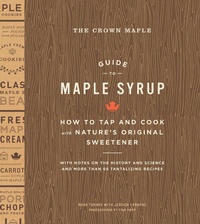
The Crown Maple Guide to Maple Syrup
How to Tap and Cook with Nature's Original Sweetener
Published on 1. October 2018
224 pages
978-1-61312-232-7 (ISBN)
Description

Sixty-five sweet and savory recipes, plus tons of tips, trivia, and photos!
This is the ultimate guide to maple syrup, with sixty-five recipes, instructions on tapping and evaporating, and an overview of the fascinating history of maple syrup in the United States. Not just a cookbook, it offers a comprehensive look into the world of maple syrup, complete with archival images and tutorials on the process.
With recipes for maple-pecan sticky buns, maple-glazed duck, maple lemon bars, and much more, this beautifully illustrated guide comes from the producers of Crown Maple, a leading organic maple syrup-carried by gourmet food markets and used in many of the world's best kitchens, including NoMad, Eleven Madison Park, Bouchon, Lincoln, and more.
This is the ultimate guide to maple syrup, with sixty-five recipes, instructions on tapping and evaporating, and an overview of the fascinating history of maple syrup in the United States. Not just a cookbook, it offers a comprehensive look into the world of maple syrup, complete with archival images and tutorials on the process.
With recipes for maple-pecan sticky buns, maple-glazed duck, maple lemon bars, and much more, this beautifully illustrated guide comes from the producers of Crown Maple, a leading organic maple syrup-carried by gourmet food markets and used in many of the world's best kitchens, including NoMad, Eleven Madison Park, Bouchon, Lincoln, and more.
More details
Other editions
Additional editions
Robb Turner
The Crown Maple Guide to Maple Syrup
How to Tap and Cook with Nature's Original Sweetener
Book
10/2016
Abrams
€28.50
Article not available at the moment
Persons
Robb Turner is owner of Madava Farms in the Hudson River Valley, home to Crown Maple Syrup.
Jessica Carbone is a native New Englander and culinary writer, editor, and historian based in Washington, DC.
Jessica Carbone is a native New Englander and culinary writer, editor, and historian based in Washington, DC.
Content
- Cover
- Title Page
- Copyright Page
- TABLE OF CONTENTS
- INTRODUCTION
- PART ONE THE HISTORY OF OUR TASTE FOR MAPLE SYRUP
- 1 The Early American Experience of Maple Syrup
- The Trees
- Native Americans and the Origins of Maple Syrup
- The Arrival of the Sugar-Loving Settler
- The Early Maple Industry
- 2 Maple's Big Boom and Bust: A Century of Maple Ups and Downs, 1860-1950
- Expanding the Maple Producer's Marketplace
- Advances in Maple Technology
- Adulterations and Imitations
- Sugar-Loving Policies and Prices
- Changing of the Maple Guard
- A Newfound Respect for Regional Cuisine
- 3 The Renaissance of Forests and Maple Syrup Makers, 1970-Present
- New Technologies
- New Producers in the New Hudson Valley
- Ensuring a Sustainable Maple Supply
- PART TWO THE SCIENCE OF GROWING, TAPPING, AND EVAPORATING SAP INTO SYRUP
- 1 An In-Depth Look at the Trees
- Caring for the Sugarbush
- The Northeastern Terrain: Climate, Elevation, and Soil
- Why the Sap Is Sweet
- Why and When the Sap Flows
- 2 Tapping the Sap
- Putting in the Taps: Different Types, Deliberate Timing
- The Sap Line System, All Under Vacuum
- From Collection Tanks to Sugarhouse
- 3 From Sap to Syrup: Filtering and Evaporating
- The DAF (Dissolved Air Flotation)
- UV Sterilization
- Reverse-Osmosis Filtration
- Entering the Evaporator: The Steam-Away and Flue Pan
- The Finishing Pan, Where the Best Brix Happens
- Final Filtering and Barrel-Packing
- 4 From Barrel to Bottle
- Determining the Syrup's Grade
- Tasting, Bottling, and Storing
- The Right Price-and the Real Value-for Quality Maple Syrup
- Beyond Breakfast: Bringing Maple to the Table
- PART THREE COOKING WITH MAPLE SYRUP
- 1 Maple Syrup as a Sugar Substitute
- 2 Cooking Techniques for Maple Syrup
- All About the Grades
- Maple Over Heat
- A Note About the Recipes
- 3 Maple in a Minute
- 4 The Recipes
- Breakfasts and Breads
- Meat, Poultry, and Fish
- Vegetables and Grains
- Snacks
- Beverages
- Desserts
- ACKNOWLEDGMENTS
- ABOUT THE AUTHOR
- WORKS CONSULTED
- INDEX OF SEARCHABLE TERMS
