

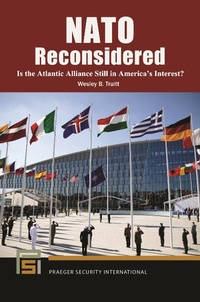
NATO Reconsidered
Is the Atlantic Alliance Still in America's Interest?
1st Edition
Published on 27. October 2020
232 pages
978-1-4408-7139-9 (ISBN)
Description

Is NATO still in the best interest of the United States? This provocative work argues that the focus on NATO distracts the U.S. from the vital foreign policy challenges of the 21st century, most notably China's rise in power.
Since its beginning in 1949, NATO-the North Atlantic Treaty Organization-has been at the center of U.S. foreign policy. The alliance was crucial during the decades of the Cold War, and the United States collaborated closely with NATO during crises in Kosovo, Afghanistan, and Libya. But does the NATO alliance still serve the best interests of the U.S.?
The NATO of today-one that has expanded to 30 member countries-risks involving the U.S. in unwanted military activities of the future, actions that were not intended in the original Atlantic alliance. In addition, the real challenges for foreign policy of 21st century are not in Europe, but in the expanding economic powerhouses in Asia, especially China. NATO Reconsidered argues that the changes in world politics in recent decades requires that the more than 70-year-old alliance should no longer be the principal focus of U.S. foreign policy.
Since its beginning in 1949, NATO-the North Atlantic Treaty Organization-has been at the center of U.S. foreign policy. The alliance was crucial during the decades of the Cold War, and the United States collaborated closely with NATO during crises in Kosovo, Afghanistan, and Libya. But does the NATO alliance still serve the best interests of the U.S.?
The NATO of today-one that has expanded to 30 member countries-risks involving the U.S. in unwanted military activities of the future, actions that were not intended in the original Atlantic alliance. In addition, the real challenges for foreign policy of 21st century are not in Europe, but in the expanding economic powerhouses in Asia, especially China. NATO Reconsidered argues that the changes in world politics in recent decades requires that the more than 70-year-old alliance should no longer be the principal focus of U.S. foreign policy.
More details
Series
Edition
1. Auflage
Language
English
Place of publication
United States
Publishing group
Bloomsbury Publishing Plc
Target group
Interest Age: From 7 to 17 years
ISBN-13
978-1-4408-7139-9 (9781440871399)
Copyright in bibliographic data and cover images is held by Nielsen Book Services Limited or by the publishers or by their respective licensors: all rights reserved.
Schweitzer Classification
Other editions
Additional editions
Book
10/2020
Praeger Publishers Inc
€88.60
Shipment within 10-20 days
Person
Wesley B. Truitt, PhD, is a full-time author and a member of RAND Corporation's Policy Circle.
Content
Maps and Tables
Preface
Acknowledgments
1. From NATO's Founding through the End of the Cold War
2. NATO's Expansion and Using NATO Forces in Kosovo and Afghanistan
3. Russia and NATO in the Twenty-First Century
4. Impact on NATO of Germany's Growing Ties with Russia
5. NATO and the United States: Cold War to the Present
6. Growing Threat to the United States from China: Impacts on U.S. NATO Policy
7. NATO's Relevance to the United States in Today's Changing World Order
Appendix I: The North Atlantic Treaty
Appendix II: Defense Expenditures of NATO Countries (2018)
Appendix III: Twelve Effective Veteran Charities
Notes
Index
Preface
Acknowledgments
1. From NATO's Founding through the End of the Cold War
2. NATO's Expansion and Using NATO Forces in Kosovo and Afghanistan
3. Russia and NATO in the Twenty-First Century
4. Impact on NATO of Germany's Growing Ties with Russia
5. NATO and the United States: Cold War to the Present
6. Growing Threat to the United States from China: Impacts on U.S. NATO Policy
7. NATO's Relevance to the United States in Today's Changing World Order
Appendix I: The North Atlantic Treaty
Appendix II: Defense Expenditures of NATO Countries (2018)
Appendix III: Twelve Effective Veteran Charities
Notes
Index
