

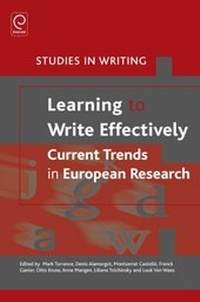
Learning to Write Effectively: Current Trends in European Research
1st Edition
Published on 5. September 2012
431 pages
978-1-78052-929-5 (ISBN)
Description

This book provides a detailed overview of current or recent research exploring a wide range of ideas, theories, and practices around written text production. European researchers from a broad range of disciplines brought together under the European Research Network on Learning to Write Effectively were instructed to contribute short papers summarising their current activity. The papers are grouped around the four main themes. The first deals with issues around the development of basic ("low-level") writing skills, mainly in the early years of education. The second section focuses directly on issues around the teaching and learning of writing. This is divided into five parts that describe: evaluations of different forms of writing instruction, research exploring the processes by which writers learn, methods of text assessment in educational contexts, research exploring the effects of various learner and teacher variables on the development of writing skill, and conceptions of and variation in educational text genres. The third section reports research exploring effective document design. The final section has a main focus on tools for exploring the writing process.
Reviews / Votes
"Learning to write effectively contributes to our fundamental knowledge of how we learn to write in many different contexts and how this is changing with the advent of new technology. The book adds to our knowledge, and it does so from an unusual-European-perspective. Researchers in the field will find it a useful resource for finding out what is going on and for making contact with European colleagues." - James Hartley, in: British Journal of Educational Technology, vol. 44, no. 2, pp. 70-71All prices
More details
Language
English
Place of publication
Amsterdam
Netherlands
Publishing group
Brill
Target group
Professional and scholarly
File size
1,94 MB
ISBN-13
978-1-78052-929-5 (9781780529295)
Copyright in bibliographic data and cover images is held by Nielsen Book Services Limited or by the publishers or by their respective licensors: all rights reserved.
Schweitzer Classification
Other editions
Additional editions
Mark Torrance | Denis Alamargot | Montserrat Castello
Learning to Write Effectively: Current Trends in European Research
Book
09/2012
Emerald Group Publishing Limited
€203.50
Article exhausted; check different version
Content
- Intro
- Learning to Write Effectively: Current Trends in European Research
- Copyright Page
- Contents
- List of Contributors
- Foreword: Writing as a Societal Question in Europe
- Introduction: Why We Need Writing Research
- References
- SECTION 1: WRITING DEVELOPMENT
- 1.00.01. Introduction: Writing Development
- 1.00.02. Early Development of Handwriting Motor Skills
- Acknowledgement
- References
- 1.00.03. Effects of Orthographic Consistency on Children's Spelling Development
- References
- 1.00.04. Acquisition of Spelling Skills with Regard to the Norwegian Language
- References
- 1.00.05. The Impact of Open and Closed Vowels on the Evolution of Pre-School Children's Writing
- References
- 1.00.06. Copying Ability in Primary School: A Working Memory Approach
- Method
- Results
- Discussion
- References
- 1.00.07. Acquisition of Linearization in Writing, from Grades 5 to 9
- References
- 1.00.08. Construct-Relevant or Construct-Irrelevant Variance in Measures of Reading?
- References
- 1.00.09. Studying Written Language Development in Different Contexts, Languages and Writing Systems
- Acknowledgements
- References
- 1.00.10. The Impact of Oral Language Skills on Children's Production of Written Text
- Methods
- Analysis
- Findings
- Ongoing Research
- References
- 1.00.11. The Development of Written Language in Children with Language Impairment
- Methods
- Results and Discussion
- Acknowledgement
- References
- 1.00.12. Improving Anaphoric Cohesion in Deaf Students' Writing
- Participants
- Procedure
- Results
- Conclusions
- References
- SECTION 2: LEARNING AND TEACHING WRITING
- 2.00.01. Introduction: Teaching and Learning Writing
- Writing Instruction
- Writing Process
- Text Assessment
- Learner Variables
- Genre
- Reference
- Subsection 2.01: Writing Instruction
- 2.01.01. Implementation of Self-Regulated Writing Strategies in Elementary Classes
- Initial Test of the Effectiveness of Teaching Self-Regulated Writing Strategies in Elementary Classes
- Teacher-Guided Implementation of Self-Regulated Writing Strategies in Elementary Classes
- Conclusion
- References
- 2.01.02. Evaluating Cognitive Self-Regulation Instruction for Developing Students' Writing Competence
- References
- 2.01.03. Are Help Levels Effective in Textual Revision?
- Acknowledgement
- References
- 2.01.04. A Spanish Research Line Focused on the Improvement of Writing Composition in Students With and Without LD
- Interventions in Students with LD
- Contextual Interventions with Regular Students
- Deliverables
- Acknowledgements
- References
- 2.01.05. Results of Writing Products After a Motivational Intervention Programme According to Students' Motivational Levels
- Method
- Results
- Discussion
- Acknowledgements
- References
- 2.01.06. Can Different Instructional Programmes Achieve Different Results on Students' Writing Attitudes and Writing Self-Efficacy?
- Method
- Results
- Discussion
- Acknowledgements
- References
- 2.01.07. Enhancing Writing Self-Efficacy Beliefs of Students With Learning Disabilities Improves Their Writing Processes and Writing Products
- Method
- Results
- Discussion
- Acknowledgements
- References
- 2.01.08. Comparative Studies of Strategy and Self-Regulated Interventions in Students With Learning Disabilities
- Study 1
- Study 2
- Acknowledgements
- References
- 2.01.09. Instructional and Developmental Online Approaches of Writing Composition in Students With and Without Learning Disabilities
- Method
- Discussion
- Acknowledgements
- References
- 2.01.10. Effective Characteristics of Intervention Programmes Focused on Writing and Agenda
- Key Characteristics of Efficacy Programmes in Writing
- Agenda for the Future in Research and Instruction in Writing
- Conclusions
- Acknowledgements
- References
- 2.01.11. Improving Struggling Writers via Digital Recordings
- References
- 2.01.12. Non-Fiction Writing in Lower Secondary School
- Method
- Preliminary Results
- Conclusion
- References
- 2.01.13. Observational Learning in Argumentative Writing
- Processes in Observational Learning
- Effects on Writing Processes
- Effects of Learners' Characteristics on the Effects of Instructions
- References
- 2.01.14. Hypertext Writing: Learning and Transfer Effects
- Method
- Results
- Conclusions
- Acknowledgement
- References
- 2.01.15. Effective Instructional Strategies in Collaborative Revision in EFL: Two Empirical Studies
- Methodology
- Results
- Conclusion
- References
- 2.01.16. Tutoring the End-of-Studies Dissertation: Helping Psychology Students Find Their Personal Voice When Revising Academic Texts
- Method
- Objectives
- The Course
- Guidance and Feedback
- Assessment
- Results
- References
- 2.01.17. Learning Philosophy by Writing in a Community of Learning
- References
- 2.01.18. Improving Students' Academic Writing: The Results of Two Empirical Projects
- References
- 2.01.19. Classroom Teaching of Writing Throughout Schooling
- References
- 2.01.20. Teaching Reading and Writing to Learn in Primary Education
- References
- 2.01.21. Effects of Being a Reader and Observing Readers on Argumentative Writing
- Methods
- Results and Discussion
- References
- 2.01.22. Writing and Text Genre Acquisition Among 4- to 8-Year-Old Icelandic Children
- References
- 2.01.23. Parental Intervention in Improving Children's Writing and Their Achievement
- Method
- Results
- Acknowledgements
- References
- 2.01.24. Supporting Children in Improving Their Presentation of School Reports
- Method
- Results
- Conclusion
- References
- Subsection 2.02: Learners' Writing Processes
- 2.02.01. Explaining Knowledge Change Through Writing
- Method
- Preliminary Results
- Preliminary Conclusions
- References
- 2.02.02. Patterns of Meta-Cognitive Processing During Writing: Variation According to Reported Writing Profile
- Method
- Results and Conclusions
- References
- 2.02.03. Formulating Activities in L1 and L2 and Their Relation With Text Quality
- Method
- Some Results
- Discussion and Future Research
- References
- 2.02.04. Relationship Between Text Quality and Management of the Writing Processes
- References
- 2.02.05. Spanish Children's Use of Writing Strategies When Composing Texts in English as a Foreign Language
- Method
- Main Findings
- Conclusions
- References
- 2.02.06. The Effects of Dyslexia on the Writing Processes of Students in Higher Education
- Method
- Results
- Theoretical and Educational Implications
- References
- 2.02.07. Subcomponents of Writing Literacy: Diagnosis and Didactical Support
- References
- 2.02.08. What Expert Writers Do When They Don't Solve Problems? Literate Expertise Revisited
- References
- 2.02.09. Effects of Creative Writing on Students' Literary Response
- Method
- Results
- Preliminary Conclusions
- References
- 2.02.10. Writing Summaries and Syntheses to Learn in Secondary and Higher Education
- Method
- Results
- References
- Subsection 2.03: Text Assessment
- 2.03.01. CEFLING: Combining Second Language Acquisition and Testing Approaches to Writing
- 2.03.02. Designing and Assessing L2 Writing Tasks Across CEFR Proficiency Levels
- References
- 2.03.03. What Is 'Improvement' in L2 French Writing?
- References
- 2.03.04. DESI - Text Production
- Coding
- Competence Levels and Results
- References
- 2.03.05. Indicator Model of Students' Writing Skills (IMOSS)
- References
- 2.03.06. Assessment of Written Proficiency: Finnish-Speaking University Students Writing in Swedish
- References
- 2.03.07. Development of Written and Spoken Narratives and Expositories in Icelandic
- Method
- Results
- References
- Subsection 2.04: Learner and Teacher Variables
- 2.04.01. What Do Portuguese University Students Say About Their Writing in Exams?
- The study
- Results
- Discussion
- References
- 2.04.02. The Impact of Educational Experiences on Writing Processes and Products
- References
- 2.04.03. Taking and Using Notes and Learning Approach in University Students
- References
- 2.04.04. The Effect of Beliefs on Writing Synthesis from Multiple Texts
- References
- 2.04.05. The Dynamics of Writing Beliefs and Composing Strategies
- Acknowledgement
- References
- 2.04.06. Does the Quality of Teaching Determine Students' Achievement in Writing?
- Method
- Results
- Discussion and Conclusions
- Acknowledgements
- References
- 2.04.07. Perspective Taking: A Prerequisite of Communicative Writing
- Method
- Results
- Discussion
- References
- 2.04.08. Development of Fluency in First and Foreign Language Writing
- References
- 2.04.09. Writing Counter to Personal Opinion: Can Advanced Communication Students Set Aside Their Own Understanding of a Field?
- References
- 2.04.10. Peer Interaction in Students With/Without Learning Disabilities in Writing (LD, NLD and ADHD)
- Method
- Results
- Discussion
- Acknowledgements
- References
- Subsection 2.05: Genre in Educational Contexts
- 2.05.01. Academic Genres in French Humanities
- Aims of the Study
- Method
- The Influence of Disciplines
- The Influence of Levels of Study
- Conclusion
- References
- 2.05.02. Comparing Genres of Academic Writing: Abstracts and Summaries
- References
- 2.05.03. Writing Cultures and Student Mobility
- Project Design
- Conclusions
- References
- 2.05.04. Students' Conceptions About Academic Writing
- Method
- Results
- Acknowledgement
- References
- SECTION 3: DOCUMENT DESIGN
- 3.00.01. Introduction: Design of Written Professional Documents
- Reference
- 3.00.02. Four Characteristics of Procedural Texts
- The Purpose of Procedural Texts: A Pragmatic Approach
- The Complexity of the Situation of Use: The Interaction between a User, a Document and a Device
- The Constraints of Procedural Texts
- Procedures to be Carried Out and Procedures to be Remembered
- Conclusion
- References
- 3.00.03. The Anatomy of Procedural Instructions
- Number of Actions Per Step
- Formulation of Instructions
- References
- 3.00.04. Some Constraints on the Processing of Procedural Instructions
- The User-Document-Device Interaction Constraint: Three Sources for Drawing Inferences
- Working Memory Constraints
- Conclusion
- References
- 3.00.05. Textual Motivational Elements in Cell Phone User Instructions
- References
- 3.00.06. Enhancing the Design of Instructions for Use: A Contribution of Cognitive Psychology
- From the Study of Cognitive Processes to the Design of Instructions for Use
- Conclusion: A Strategy for the Optimal Design of Instructions for Use
- References
- 3.00.07. Writing Easy-to-Read Documents for People With Intellectual Disabilities
- Towards a New Set of Easy-to-Read Guidelines for PwID
- Development of Writing Tools
- Acknowledgements
- References
- 3.00.08. Reading Strategies and Cognitive Load: Implications for the Design of Hypertext Documents
- Theoretical and Practical Implications
- Acknowledgement
- References
- 3.00.09. Designing Multimedia Documents for the Workplace
- Method
- Results and Discussion
- Acknowledgements
- References
- 3.00.10. Idée Suisse: Language Policy and Writing Practice of Public Service Media Journalists
- Some Findings
- Interpretation and Transfer
- References
- SECTION 4: TOOLS FOR STUDYING AND SUPPORTING WRITING
- 4.00.01. Introduction: Tools for Studying and Supporting Writing: Technological Advances in Writing Research
- Logging Tools
- Reading and Writing|Handwriting and Typewriting
- One Step Forward
- 4.00.02. Eye and Pen: A Device to Assess the Temporal Course of Writing Production - Three Studies
- References
- 4.00.03. EyeWrite - A Tool for Recording Writers' Eye Movements
- References
- 4.00.04. Reading During Text Production
- Method
- Analysis
- Results
- Discussion
- References
- 4.00.05. Inputlog 4.0: Keystroke Logging in Writing Research
- Record a Writing Session
- Generate Data Files for Statistical, Text, Pause and Mode Analyses
- Integrate Various Types of Data from Other Programs
- Playback the Recorded Session at Different Speeds
- Conclusion
- References
- 4.00.06. Fluency in Second-Language and in Mother-Tongue Writing Processes
- References
- 4.00.07. Handwriting versus Typewriting: Behavioural and Cerebral Consequences in Letter Recognition
- Behavioural Studies
- Behavioural and fMRI Study
- References
- 4.00.08. Text Production in Handwriting versus Computer Typing
- Method
- Results and Discussion
- References
- 4.00.09. The Visual Writer
- Developmental Perceptive on the Role of Visual Feedback
- References
- 4.00.10. Computer Capture of Writing Under Keyboard and Handwriting Conditions
- Methodology
- References
- 4.00.11. Memory for Word Location: Studies in Writing
- References
- 4.00.12. Writing with PowerPoint
- Method
- Preliminary Results
- References
- 4.00.13. Modelling Writing Phases
- Methodology and Data
- Need for Interdisciplinary Collaboration
- Expected Outcome
- Reference
- 4.00.14. Design of an Open Corpus and Computer Tool for Writing Development and Instruction among 8 to 16 Years Old Students With and Without Learning Disabilities
- Acknowledgements
- References
- 4.00.15. Developing Writing Through Observation of Writing Processes Using Keystroke Logging
- References
- 4.00.16. The Haptics of Writing: Cross-Disciplinary Explorations of the Impact of Writing Technologies on the Cognitive-Sensorimotor Processes Involved in Writing
- References
- Author Index
- Subject Index
- List of Volumes

