

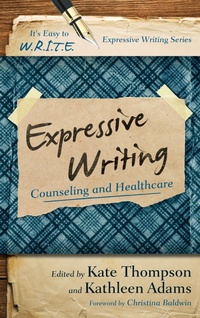
Expressive Writing
Counseling and Healthcare
1st Edition
Published on 20. August 2015
1 pages
979-8-216-22333-7 (ISBN)
Description

Expressive writing is life-based writing that focuses on authentic expression of lived experience, with resultant insight, growth, and skill-building. Therapists, coaches, healthcare professionals, and educators have known for decades that expressive writing is a powerful tool for better living, learning, and healing. But until now, few have had access to practical applications that have proven successful.
In this groundbreaking collection, you'll discover:
how expressive writing can call us into healing communityexciting new discoveries about how writing can support neuroplasticity and actually help change our brains-and thus our thinking and behaviornew research on the role of expressive writing for prevention of compassion fatigue in RNshow transformative writing can create art from the ashes of traumathe role of journal writing for emotional balance sensible ideas about the synergy of expressive writing and play therapy for children, teens, and adultsinterventions and strategies for the use of expressive writing in acute psychiatric carehow interactive expressive writing helps deaf teens communicate inarticulate feelings and thoughtshow cancer survivors can use expressive writing to reclaim identity and strength post-treatment the role of expressive writing in developing the roots of resilience for practitioners
In this groundbreaking collection, you'll discover:
how expressive writing can call us into healing communityexciting new discoveries about how writing can support neuroplasticity and actually help change our brains-and thus our thinking and behaviornew research on the role of expressive writing for prevention of compassion fatigue in RNshow transformative writing can create art from the ashes of traumathe role of journal writing for emotional balance sensible ideas about the synergy of expressive writing and play therapy for children, teens, and adultsinterventions and strategies for the use of expressive writing in acute psychiatric carehow interactive expressive writing helps deaf teens communicate inarticulate feelings and thoughtshow cancer survivors can use expressive writing to reclaim identity and strength post-treatment the role of expressive writing in developing the roots of resilience for practitioners
More details
Series
Edition
1. Auflage
Language
English
Place of publication
United States
Publishing group
Bloomsbury Publishing Plc
ISBN-13
979-8-216-22333-7 (9798216223337)
Copyright in bibliographic data and cover images is held by Nielsen Book Services Limited or by the publishers or by their respective licensors: all rights reserved.
Schweitzer Classification
Other editions
Additional editions
Book
08/2015
Rowman & Littlefield Publishers
€56.90
Shipment within 10-20 days
Persons
Kate Thompson, MA, CJT, is an existential counselor, journal therapist and writer. She pioneered the use of therapeutic writing in counseling and supervision in the UK. She now lives in the Rocky Mountains of Colorado.
Kathleen Adams, MA, LPC, is psychotherapist, journal therapist, and international thought leader in the field of expressive/ therapeutic writing. She is the director of the Center for Journal Therapy and its online professional training division, the Therapeutic Writing Institute, in Denver. This is her eleventh book.
Kathleen Adams, MA, LPC, is psychotherapist, journal therapist, and international thought leader in the field of expressive/ therapeutic writing. She is the director of the Center for Journal Therapy and its online professional training division, the Therapeutic Writing Institute, in Denver. This is her eleventh book.
Content
Foreword
,
,
Preface
, Kathleen Adams
,
Section 1: Theory
,
,
In This Together:
Writing in Health and Social Care
, Graham Hartill and
Victoria Field
,
Your Brain on Ink: Expressive
Writing and Neuroplasticity
, Deborah Ross
,
Expressive Writing for Caregiver Resilience: A Research Perspective
, John Evans,
Meredith Mealer,
Karen Jooste, and
Marc Moss
,
Writing the Darkness:
A Transformative Writing Model
, Sherry Reiter
,
Emotional Balance,
the Therapy Session, and the Journal
, Beth Jacobs
,
Section 2: Practice
,
,
WOWSA! Play-Based Journal Therapy
, Cherie Spehar
,
Therapeutic Writing in Psychiatric Care
, Carol Ross
,
Now That I See:
Journal Writing with Deaf Teens
, Donna Houston
,
Roots of Resilience:
Writing for Practitioner Self-Care
, Susan Smith Pierce
,
Creating a New Story after Brain Injury
, Barbara Stahura
,
After the Deep Dive:
Reflections on Writing beyond Cancer
, Jean Rowe
,
Epilogue
,
,
Honoring Silence
, Jeannie Wright and
Kate Thompson
,
About the Editors and Contributors
,
,
Acknowledgments
,
,
,
,
Preface
, Kathleen Adams
,
Section 1: Theory
,
,
In This Together:
Writing in Health and Social Care
, Graham Hartill and
Victoria Field
,
Your Brain on Ink: Expressive
Writing and Neuroplasticity
, Deborah Ross
,
Expressive Writing for Caregiver Resilience: A Research Perspective
, John Evans,
Meredith Mealer,
Karen Jooste, and
Marc Moss
,
Writing the Darkness:
A Transformative Writing Model
, Sherry Reiter
,
Emotional Balance,
the Therapy Session, and the Journal
, Beth Jacobs
,
Section 2: Practice
,
,
WOWSA! Play-Based Journal Therapy
, Cherie Spehar
,
Therapeutic Writing in Psychiatric Care
, Carol Ross
,
Now That I See:
Journal Writing with Deaf Teens
, Donna Houston
,
Roots of Resilience:
Writing for Practitioner Self-Care
, Susan Smith Pierce
,
Creating a New Story after Brain Injury
, Barbara Stahura
,
After the Deep Dive:
Reflections on Writing beyond Cancer
, Jean Rowe
,
Epilogue
,
,
Honoring Silence
, Jeannie Wright and
Kate Thompson
,
About the Editors and Contributors
,
,
Acknowledgments
,
,
