

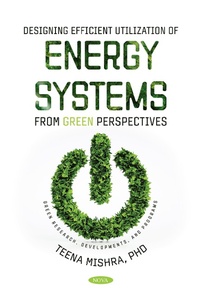
Designing Efficient Utilization of Energy Systems: From Green Perspectives
Published on 29. September 2022
168 pages
979-8-88697-239-9 (ISBN)
Description

Energy is an essential component of all life. The increasing demand for energy for human life and its impact on the environment necessitate a rethinking of the energy use system. Green energy is the solution to many of the environmental issues that we face today. The book concentrates on the notion of green energy and its application.
More details
Other editions
Additional editions

Book
10/2022
Nova Science Publishers Inc
€126.26
Shipment within 10-20 days
Content
- Intro
- Contents
- Preface
- Acknowledgments
- Abbreviations
- Chapter 1
- Introduction to Energy Utilisation Systems
- Abstract
- 1. Introduction
- 2. Energy Utilisation System
- 3. Green Utilisation System
- 4. Urbanisation and Sustainability
- 5. Current Challenges of Energy and Energy Utilisation
- 5.1. Finding New Alternatives
- 5.2. Utilise Alternative Ways of Energy
- 5.3. To Modify the Current Energy System
- 5.4. Increasing Urbanisation
- 5.5. Usage of Natural Resources for Power Generation and Energy Application
- Chapter 2
- Integrated Energy Systems
- Abstract
- 1. Introduction
- 2. Energy System Integration
- 3. Development of Integrated Energy System
- 3.1. Meaning of Integrated Energy System
- 3.2. Reason of Integrated Energy System Development
- 3.2.1. Streamline Areas
- 3.2.2. Flexible Energy
- 3.2.3. Integrated Energy Assist the Global Climate
- 3.2.4. Integrated Energy Makes Possible Sustainable Energy
- 3.2.4.1. Generating Gas from Electricity: Power-to-Gas (P2G)
- 3.2.4.2. Generating Heat from Electricity: Power-to-Heat (P2H)
- 3.2.4.3. Storing Electricity in the Batteries
- 3.2.5. Integrated Energy Confirms Grid Quality
- 3.2.6. Storage for Cases of Need
- 3.2.7. Integrated Energy Is the Statement of Energy Freedom for Consumers
- 3.2.8. Green Electricity versus Mere Theory
- 4. Sector Integration
- 4.1. Benefits of Sector Integration
- 5. Challenges of Integrated Energy System
- 6. Advanced Research on Integrated Energy Systems (ARIES)
- 6.1. Hybrid Energy Systems
- 6.2. Future Energy Infrastructure
- 6.3. Cybersecurity
- Conclusion
- Chapter 3
- Green Energy
- Abstract
- 1. Introduction
- 2. Green Energy
- 3. Differences between Green Energy and Renewable Energy
- 4. Green Energy, Clean Energy, and Renewable Energy
- 5. Types of Green Energy
- 6. Green Energy and Sustainable Development
- 7. Implementing Strategic Strategies
- 8. Obstacles to the Development of Renewable Energy
- 9. Future of Green Energy
- 9.1. Renewable Energy Facts
- 9.2. Green Energy in Domestic Sector
- 9.3. Green Energy Products and Green Energy Premium
- Conclusion
- Chapter 4
- Sources of Green Energy
- Abstract
- 1. Introduction
- 2. Sources of Green Energy
- 2.1. Common Forms of Green Energy
- 3. Limit Usage of Fossil Fuels
- 4. Increase Usage of Green Energy Products
- 5. Usage of Green Energies
- 5.1. Advantages of Green Energy
- 5.2. Application of Green Energy
- Conclusion
- Chapter 5
- Design of Sustainable Energy Systems
- Abstract
- 1. Introduction
- 2. Sustainable Energy System
- 2.1. Meaning of Sustainability
- 2.2. Sustainability and United Nation
- 2.3. Energy and Sustainable Development
- 3. Global Action for Sustainable Energy
- 3.1. Kenya
- 3.2. South African
- 4. Moving towards Sustainable Energy Policy
- 5. Designing Sustainable Energy System
- 5.1. BIM (Building Information Modelling)
- 5.2. Green Building Programs
- 5.3. Sustainable Design Buildings
- 5.4. Natural Building
- 5.5. Green Building
- Conclusion
- Chapter 6
- Methods and Tools of System Design
- Abstract
- 1. Introduction
- 2. Green Energy System, Company
- 3. Energy System Planning
- 4. Renewable Energy Design
- 5. Application of Tools in Decentralized Energy Planning
- 6. Green Building Design
- 7. Hybrid Energy Tools
- 8. Life Cycle Thinking Methods
- 9. Developed and Developing Countries
- 10. Agent Based Modelling
- 11. Bottom-up Model and Top-Down Model
- 11.1. Bottom-up Model
- 11.2. Top-Down Model
- 12. Decision Support Analysis Tool
- 13. Solar Panels
- 14. Battery Storage and ESS
- Conclusion
- Chapter 7
- Building a Sustainable Energy System
- Abstract
- 1. Introduction
- 2. Sustainable Design and Building Energy System
- 2.1 Sustainable Building
- 2.2. Rate of Technology Enhancement
- 2.3. Need for Global Sustainable Trends
- 2.4. Sustainable Energy Agenda
- 2.4.1. Long-Term Performance Goals
- 2.4.2. Green Building
- 2.4.3. U.S. General Service Administration
- 2.4.4. Business Sustainability Concepts
- 2.4.4.1. Green Space
- 2.4.4.2. Crop Rotation
- 2.4.4.3. Sustainable Design and Construction
- 2.4.4.4. Renewable Clean Energy
- Conclusion
- Chapter 8
- Efficient Utilisation of Energy Systems
- Abstract
- 1. Introduction
- 2. Energy Generation and Distribution
- 2.1. Community Design
- 2.2. Vehicles
- 2.3. Freight
- 2.4. Human Behavior
- 3. Energy Efficiency
- 3.1. Meaning of Energy Efficiency
- 3.2. Ways to Attain Greater Energy Efficiency
- 3.3. Energy Efficiency and Conservation
- 4. Modern Appliances
- 5. Building Designs
- 6. Street Lighting
- 7. Efficient Utilisation of Energy
- 8. Renewable Energy and Efficient Energy System
- 9. Measuring Renewable Energy Efficiency
- 10. Vienna Climate Change Talks Report 2007
- 11. Western Resource Advocates
- Conclusion
- Chapter 9
- Green Technology
- Abstract
- 1. Introduction
- 2. Basic Principles of Green Engineering
- 2.1. Criteria Fulfill by Green Technology
- 3. Examples of Green Technology
- 3.1. Energy Saving LED Lighting
- 3.2. Solar Panels
- 3.3. Wind Energy
- 3.4. Composting
- 3.5. Vehicles
- 3.6. Programmable Thermostats
- 3.7. Vertical Farming
- 3.8. Wastewater Treatment
- 3.9. Elimination of Industrial Emissions
- 3.10. Recycling and Waste Management
- 3.11. Self-Sufficient Buildings
- 3.12. Waste-to-Energy Conversion
- 3.13. Production of Energy from the Waves
- 3.14. Ecological Vehicles
- 3.15. Harnessing Solar Energy
- 3.16. Vertical Farms and Gardens
- 3.17. Green Boilers
- 4. Application of Green Technology
- 4.1. Energy Sector
- 4.2. Transportation Sector
- 4.3. Waste Management Sector
- 4.4. Water Filtration
- 4.5. Air Purification
- 5. Green Machines and Technology
- 5.1. Alternative Sources of Energy
- 5.2. Server Technology
- 5.3. Smart Power Strips
- 5.4. Energy Efficient Appliances
- 5.5. Telecommuting Software
- 5.6. Device Recycling
- 5.7. Geothermal Heat Pump
- 5.8. Closed-Loop Innovation
- 5.9. Green-Chemistry
- 6. Thoughts of Green Technology
- 6.1. Advantages and Disadvantages of Green Technology
- 7. Green Nanotechnology
- 8. Challenges to Adoption of Green Technology
- Conclusion
- Chapter 10
- Future of Energy Systems
- Abstract
- 1. Introduction
- 2. Steps towards Future Energy System
- 3. Strategic Implications
- 3.1. An Increased Need for State Orchestration
- 3.2. Sustainable Energy Transition
- 3.2.1. Benchmarking and Country Dialogues
- 3.2.2. Growth Market
- 3.2.3. Net-Zero Carbon Cities
- 3.2.4. Transforming Industrial Ecosystem
- 3.3. Future Challenges
- 3.3.1. Digitalization
- 3.3.2. Mission of Decarbonization
- Conclusion
- References
- About the Author
- Index
- Blank Page
- Blank Page
