

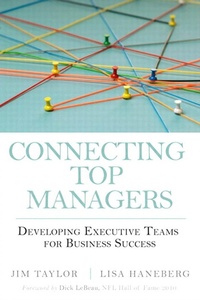
Connecting Top Managers
Developing Executive Teams for Business Success
1st Edition
Published on 29. November 2010
273 pages
978-0-13-265591-0 (ISBN)
Description

How do you go about improving leadership team performance, strengthening the connections between leaders, and strengthening the leadership team's connections with the rest of the enterprise? This book tells you how. Leadership teams, working together, create the culture and set the tone for the entire organization. When leadership teams fail to connect with employees, their organizations fail. Expensive leadership meetings often accomplish nothing, and clashing leadership styles can disrupt the entire business. What do these issues have in common? Simply this: The way leaders work together is crucial, and enormous organization-wide performance improvements can be achieved when they work together more effectively. Readers will first learn how to define what leadership team excellence looks like, and clarify the organizational impact you want your leadership team to have. Next, they'll learn how to systematically optimize the 5% of time your leaders spend working together-in person, electronically, and through subordinates. This book will help readers magnify their impact, whether they're already at the top of the organization, or aspiring to a future leadership role.
More details
Edition
1. Auflage
Language
English
Place of publication
Boston
United States
Publishing group
Pearson Education (US)
Target group
College/higher education
File size
2,52 MB
ISBN-13
978-0-13-265591-0 (9780132655910)
Copyright in bibliographic data and cover images is held by Nielsen Book Services Limited or by the publishers or by their respective licensors: all rights reserved.
Schweitzer Classification
Other editions
Additional editions
Book
01/2011
Financial TImes Prentice Hall
€34.65
Article exhausted; check different version
Persons
Jim Taylor and Lisa Haneberg share a passion for helping leaders do their best work through practices, actions, habits, and a vision that catalyzes organizational success. They have each been exploring the keys to senior leader effectiveness throughout their entire careers.
Jim Taylor, President and CEO of MPI Consulting, is a nationally recognized expert in leadership, human resources, and employee/labor relations. Drawing on more than 30 years' experience, he leads MPI's strategic direction and operations, and guides a team of consulting experts and professionals, ensuring their integrity and accountability for successful client engagement and relationships. He spent 13 years as a healthcare executive, serving on two senior leadership teams.
Lisa Haneberg serves as Vice President of MPI Consulting and leads the firm's organizational development practice. She has more than 25 years of experience with organizational development consulting, executive development, as well as training and coaching for companies, government organizations, and nonprofits of all sizes. She specializes in talent management, succession planning, organizational agility and alignment, middle management effectiveness, senior team development, and executive coaching. Her books include Developing Great Managers, The High Impact Middle Manager, and Coaching Up and Down the Generations.
Jim Taylor, President and CEO of MPI Consulting, is a nationally recognized expert in leadership, human resources, and employee/labor relations. Drawing on more than 30 years' experience, he leads MPI's strategic direction and operations, and guides a team of consulting experts and professionals, ensuring their integrity and accountability for successful client engagement and relationships. He spent 13 years as a healthcare executive, serving on two senior leadership teams.
Lisa Haneberg serves as Vice President of MPI Consulting and leads the firm's organizational development practice. She has more than 25 years of experience with organizational development consulting, executive development, as well as training and coaching for companies, government organizations, and nonprofits of all sizes. She specializes in talent management, succession planning, organizational agility and alignment, middle management effectiveness, senior team development, and executive coaching. Her books include Developing Great Managers, The High Impact Middle Manager, and Coaching Up and Down the Generations.
Content
Foreword ix
Acknowledgments xi
Introduction A Pack of Top Dogs 1
Who This Book Is For 3
Who We Are 3
How the Book Is Organized 4
Time Is Precious 4
Endnotes 5
Chapter 1 Executive Team Execution 7
Definitions of Success 11
Measures of Success 14
Section 1: Business Results 20
Financial Performance 20
Customer Retention and Satisfaction 21
Strategic Implementation 22
Section 2: Daily Team Effectiveness 23
Decision-making Success 24
Relationship Building 25
The Team's Reputation Within the Organization 27
Section 3: Talent Development 29
Bench Strength and Succession Planning 30
Management Team Capacity 32
Leadership Team Growth 33
Section 4: The Workplace 34
Organizational Culture 34
Employee Engagement and Retention 35
Organizational Agility 37
Which Indicators Should You Measure? 38
Endnotes 39
Chapter 2 The Clash of Titans: Executive Teaming 41
What Is Executive Teaming? 41
Dysfunction Reverberates 42
Holding Yourself to a High Standard 43
Two Executive Teaming Skills 44
Ensure Differences Don't Lead to Clashes 46
Practice Partnership at All Times 51
The Traits of Leadership Team Partnership 53
Shared Purpose 53
Shared Ownership 53
Mutual Trust 54
Critical Thinking 54
Shared Success and Failure 55
Effective Inclusion and Communication 55
Partnership Techniques 56
Don't Try to Control Peers 56
Spend Time Together 56
Resolve Relationship Problems 56
Represent Each Other Well 57
Never Bad Mouth 57
Own Problems and Challenges 58
Be Humble 58
Know Their Needs 59
Working on Your Teaming Skills 60
Endnotes 61
Chapter 3 Meetings Are Money 63
The Cost of Meetings Index 64
Value of Meetings Hurdle 65
Why Are You Meeting? 78
Endnotes 81
Chapter 4 Culture Is the Context and Often the Answer 83
What Is an Organization's Culture? 85
How Are Organizational Cultures Formed and Changed? 89
Improving the Organization's Culture 91
Define the Desired Culture 93
Define the Current Culture 104
Assess Capacity for Change (C4C) 106
Create Plan for Cultural Improvement 108
Be the Culture 111
Endnotes 117
Chapter 5 They Are All Moments of Truth 119
Be Fast or Fail 120
Successful Moments of Truth 123
How to Quickly Make a Positive Impact and Build Relationships 129
Trust 130
Credibility 130
Familiarity 131
Connection to You and the Team 131
Connection to the Organization 131
Interest, Passion, and Enrollment 132
Clarity, Commitment, and Focus 132
Make a Splash! 132
All for One, One for All 135
Endnotes 138
Chapter 6 Getting Better Together 139
Leadership Team Member Capabilities 142
More Than Competencies 147
Intra-Team Talent Reviews 150
Peer Coaching 152
Team Assignments 157
Team Development Events 158
Endnotes 160
Chapter 7 Creating an Agile Organization 161
A Primer on Organizational Agility 162
What Is Organizational Agility? 162
Model of Organizational Agility 165
Focus 166
Resources 166
Performance 167
Five Benefits of Organizational Agility 168
Organizational Agility: Two Scenarios 170
Assessment: How Agile Is Your Organization? 172
Individual and Leadership Team Agility 180
Endnotes 188
Chapter 8 Leadership Team Strategies for Remaining Union-Free 189
10 Early Warning Signs 190
10 Reasons Employees Organize 194
12 Issues Targeted by Unions 196
12 Reasons for Union-Organizing Success 199
Be Visible and Known and Build Relationships at All Levels 203
Measure and Improve Your Organization's Connectivity Index 207
Ensure Role Clarity for Management Positions 211
Shore Up Management Fundamentals from Top to Bottom 212
Endnotes 215
Conclusion A Manifesto About Love and Leadership 217
Will You Go for the Gold? 220
Executive Team Execution 220
The Clash of Titans: Executive Teaming 221
Meetings Are Money 222
Culture Is the Context and Often the Answer 223
They Are All Moments of Truth 224
Getting Better Together 225
Creating an Agile Organization 226
Leadership Team Strategies for Remaining Union-Free 227
Endnotes 229
Appendix The Leadership Team Excellence Assessment 231
The Leadership Team Survey 231
Part 1: How We Measure Success 232
Part 2: How We Spend Time Together 233
Part 3: How We Impact Organizational Excellence 236
The Leadership Team Survey with Discussion Notes 237
Part 1: How We Measure Success 237
Part 2: How We Spend Time Together 238
Part 3: How We Impact Organizational Excellence 240
The Leadership Team Survey as a Tool for Development 241
References 243
About the Authors 249
Index 253
Acknowledgments xi
Introduction A Pack of Top Dogs 1
Who This Book Is For 3
Who We Are 3
How the Book Is Organized 4
Time Is Precious 4
Endnotes 5
Chapter 1 Executive Team Execution 7
Definitions of Success 11
Measures of Success 14
Section 1: Business Results 20
Financial Performance 20
Customer Retention and Satisfaction 21
Strategic Implementation 22
Section 2: Daily Team Effectiveness 23
Decision-making Success 24
Relationship Building 25
The Team's Reputation Within the Organization 27
Section 3: Talent Development 29
Bench Strength and Succession Planning 30
Management Team Capacity 32
Leadership Team Growth 33
Section 4: The Workplace 34
Organizational Culture 34
Employee Engagement and Retention 35
Organizational Agility 37
Which Indicators Should You Measure? 38
Endnotes 39
Chapter 2 The Clash of Titans: Executive Teaming 41
What Is Executive Teaming? 41
Dysfunction Reverberates 42
Holding Yourself to a High Standard 43
Two Executive Teaming Skills 44
Ensure Differences Don't Lead to Clashes 46
Practice Partnership at All Times 51
The Traits of Leadership Team Partnership 53
Shared Purpose 53
Shared Ownership 53
Mutual Trust 54
Critical Thinking 54
Shared Success and Failure 55
Effective Inclusion and Communication 55
Partnership Techniques 56
Don't Try to Control Peers 56
Spend Time Together 56
Resolve Relationship Problems 56
Represent Each Other Well 57
Never Bad Mouth 57
Own Problems and Challenges 58
Be Humble 58
Know Their Needs 59
Working on Your Teaming Skills 60
Endnotes 61
Chapter 3 Meetings Are Money 63
The Cost of Meetings Index 64
Value of Meetings Hurdle 65
Why Are You Meeting? 78
Endnotes 81
Chapter 4 Culture Is the Context and Often the Answer 83
What Is an Organization's Culture? 85
How Are Organizational Cultures Formed and Changed? 89
Improving the Organization's Culture 91
Define the Desired Culture 93
Define the Current Culture 104
Assess Capacity for Change (C4C) 106
Create Plan for Cultural Improvement 108
Be the Culture 111
Endnotes 117
Chapter 5 They Are All Moments of Truth 119
Be Fast or Fail 120
Successful Moments of Truth 123
How to Quickly Make a Positive Impact and Build Relationships 129
Trust 130
Credibility 130
Familiarity 131
Connection to You and the Team 131
Connection to the Organization 131
Interest, Passion, and Enrollment 132
Clarity, Commitment, and Focus 132
Make a Splash! 132
All for One, One for All 135
Endnotes 138
Chapter 6 Getting Better Together 139
Leadership Team Member Capabilities 142
More Than Competencies 147
Intra-Team Talent Reviews 150
Peer Coaching 152
Team Assignments 157
Team Development Events 158
Endnotes 160
Chapter 7 Creating an Agile Organization 161
A Primer on Organizational Agility 162
What Is Organizational Agility? 162
Model of Organizational Agility 165
Focus 166
Resources 166
Performance 167
Five Benefits of Organizational Agility 168
Organizational Agility: Two Scenarios 170
Assessment: How Agile Is Your Organization? 172
Individual and Leadership Team Agility 180
Endnotes 188
Chapter 8 Leadership Team Strategies for Remaining Union-Free 189
10 Early Warning Signs 190
10 Reasons Employees Organize 194
12 Issues Targeted by Unions 196
12 Reasons for Union-Organizing Success 199
Be Visible and Known and Build Relationships at All Levels 203
Measure and Improve Your Organization's Connectivity Index 207
Ensure Role Clarity for Management Positions 211
Shore Up Management Fundamentals from Top to Bottom 212
Endnotes 215
Conclusion A Manifesto About Love and Leadership 217
Will You Go for the Gold? 220
Executive Team Execution 220
The Clash of Titans: Executive Teaming 221
Meetings Are Money 222
Culture Is the Context and Often the Answer 223
They Are All Moments of Truth 224
Getting Better Together 225
Creating an Agile Organization 226
Leadership Team Strategies for Remaining Union-Free 227
Endnotes 229
Appendix The Leadership Team Excellence Assessment 231
The Leadership Team Survey 231
Part 1: How We Measure Success 232
Part 2: How We Spend Time Together 233
Part 3: How We Impact Organizational Excellence 236
The Leadership Team Survey with Discussion Notes 237
Part 1: How We Measure Success 237
Part 2: How We Spend Time Together 238
Part 3: How We Impact Organizational Excellence 240
The Leadership Team Survey as a Tool for Development 241
References 243
About the Authors 249
Index 253
