

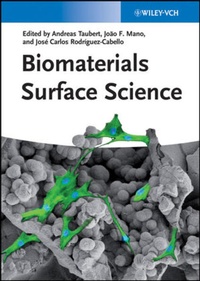
Biomaterials Surface Science
1st Edition
Published on 23. July 2013
616 pages
978-3-527-64962-4 (ISBN)
Description

At the interface of biology, chemistry, and materials science, this book provides an overview of this vibrant research field, treating the seemingly distinct disciplines in a unified way by adopting the common viewpoint of surface science.
The editors, themselves prolific researchers, have assembled here a team of top-notch international scientists who read like a "who's who" of biomaterials science and engineering. They cover topics ranging from micro- and nanostructuring for imparting functionality in a top-down manner to the bottom-up fabrication of gradient surfaces by self-assembly, from interfaces between biomaterials and living matter to smart, stimuli-responsive surfaces, and from cell and surface mechanics to the elucidation of cell-chip interactions in biomedical devices. As a result, the book explains the complex interplay of cell behavior and the physics and materials science of artificial devices.
Of equal interest to young, ambitious scientists as well as to experienced researchers.
The editors, themselves prolific researchers, have assembled here a team of top-notch international scientists who read like a "who's who" of biomaterials science and engineering. They cover topics ranging from micro- and nanostructuring for imparting functionality in a top-down manner to the bottom-up fabrication of gradient surfaces by self-assembly, from interfaces between biomaterials and living matter to smart, stimuli-responsive surfaces, and from cell and surface mechanics to the elucidation of cell-chip interactions in biomedical devices. As a result, the book explains the complex interplay of cell behavior and the physics and materials science of artificial devices.
Of equal interest to young, ambitious scientists as well as to experienced researchers.
More details
Other editions
Additional editions
Andreas Taubert | Joao F. Mano | José C. Rodríguez-Cabello
Biomaterials Surface Science
Book
09/2013
1st Edition
Wiley-VCH
€175.00
Article exhausted; check different version
A. Taubert
Biomaterials Surface Science
Software
07/2013
Wiley-VCH
€170.45
No shipping information available
Persons
Andreas Taubert is Professor of Supramolecular Chemistry at the University of Potsdam, Germany. After his PhD at the Max-Planck-Institute for Polymer Research in Mainz he was a postdoc at the University of Pennsylvania, USA, and then a group leader at the University of Basel, Switzerland. His research interests are bioinspired hybrid materials and materials chemistry with ionic liquids.
Joao F. Mano is Professor at the University of Minho, Portugal, and staff member of the 3B's research group Biomaterials, Biodegradables and Biomimetics. His research interests include the development of new materials and concepts for biomedical applications. He was awarded the Stimulus to Excellence by the Portuguese Minister for Science and Technology in 2005 and the Materials Science and Technology Prize by the Federation of European Materials Societies in 2007.
José Carlos Rodríguez-Cabello is Professor at the University of Valladolid, Spain, and head of the research group "Biomaterials, Biomimicry, Nanobiotechnology". His research is focused on design, biosynthesis and characterization of advanced, multifunctional genetically engineered protein-polymers. In 2009, he received the "Campus Emprende" Award in the category of business venture for a project on new materials for biomedical applications.
Joao F. Mano is Professor at the University of Minho, Portugal, and staff member of the 3B's research group Biomaterials, Biodegradables and Biomimetics. His research interests include the development of new materials and concepts for biomedical applications. He was awarded the Stimulus to Excellence by the Portuguese Minister for Science and Technology in 2005 and the Materials Science and Technology Prize by the Federation of European Materials Societies in 2007.
José Carlos Rodríguez-Cabello is Professor at the University of Valladolid, Spain, and head of the research group "Biomaterials, Biomimicry, Nanobiotechnology". His research is focused on design, biosynthesis and characterization of advanced, multifunctional genetically engineered protein-polymers. In 2009, he received the "Campus Emprende" Award in the category of business venture for a project on new materials for biomedical applications.
Content
PART I: Polymer Surfaces
POLYMERS FOR SURFACE STRUCTURING
Introduction
Structuring and Modification of Interfaces by Self-Assembling Proteins
Structuring and Modification of Solid Surfaces via Printing of Biomolecules
Conclusion and Outlook
SURFACE-GRAFTED POLYMER BRUSHES
Introduction
Synthesis of Polymer Brushes
Stimuli-Responsive Polymer Brushes
Polyelectrolyte Brushes
Bio-Functionalized Polymer Brushes
INHIBITING NONSPECIFIC PROTEIN ADSORPTION: MECHANISMS, METHODS, AND MATERIALS
Introduction
Fundamental Forces Leading to Nonspecific Protein Adsorption
Poly(Ethylene Glycol)
Surface Force Apparatus (SFA)
Applications of Poly(Ethylene Glycol)
Summary
STIMULI-RESPONSIVE SURFACES FOR BIOMEDICAL APPLICATIONS
Introduction
Surface Modification Methodologies: How to Render Substrates with Stimuli Responsiveness
Exploitable Stimuli and Model Smart Biomaterials
Biomedical Applications of Smart Surfaces
Conclusions
SURFACE MODIFICATION OF POLYMERIC BIOMATERIALS
Introduction
Effect of Material Surfaces on Interactions with Biological Entities
Surface Morphology of Polymeric Biomaterials
Surface Modifications to Improve Biocompatibility of Biomaterials
Surface Modifications to Improve Hemocompatibility of Biomaterials
Surface Modifications to Improve Antibacterial Properties of Biomaterials
Nanoparticles
POLYMER VESICLES ON SURFACES
Introduction
Polymer Vesicles
Applications of Polymer Membranes and Vesicles as Smart and Active Surfaces
Current Limitations of Polymer Vesicles and Emerging Trends
Conclusions
PART II: Hydrogel Surfaces
PROTEIN-ENGINEERED HYDROGELS
Introduction to Protein Engineering for Materials Design
History and Development of Protein-Engineered Materials
Modular Design and Recombinant Synthesis Strategy
Processing Protein-Engineered Materials
Conclusion
BIOACTIVE AND SMART HYDROGEL SURFACES
Introduction
Mimicking the Extracellular Matrix
Hydrogels: Why Are They So Special?
Elastin-Like Recombinamers as Bioinspired Proteins
Perspectives
BIORESPONSIVE SURFACES AND STEM CELL NICHES
General Introduction
Stem Cell Niches
Surfaces as Stem Cell Niches
Conclusions
PART III: Hybrid & Inorganic Surfaces
MICRO- AND NANOPATTERNING OF BIOMATERIAL SURFACES
Introduction
Photolithography
Electron Beam Lithography
Focused Ion Beam
Soft Lithography
Dip-Pen Nanolithography
Nanoimprint Lithography
Sandblasting and Acid Etching
Laser-Induced Surface Patterning
Colloidal Lithography
Conclusions and Perspectives
ORGANIC/INORGANIC HYBRID SURFACES
Introduction
Calcium Carbonate Surfaces and Interfaces
Calcium Phosphate Surfaces and Interfaces
Silica Surfaces and Interfaces
Conclusion and Outlook
BIOACTIVE CERAMIC AND METALLIC SURFACES FOR BONE ENGINEERING
Introduction
Ceramics for Bone Replacement and Regeneration
Metallic Surfaces for Bone Replacement and Regeneration
Conclusions
PLASMA-ASSISTED SURFACE TREATMENTS AND MODIFICATIONS FOR BIOMEDICAL APPLICATIONS
Introduction
Surface Requisites for Biomedical Applications
Surface Functionalization of Inorganic Surfaces by Plasma Techniques
Applications of Plasma-Modified Surfaces in Biology and Biomedicine
Conclusions and Outlook
BIOLOGICAL AND BIOINSPIRED MICRO- AND NANOSTRUCTURED DRY ADHESIVES
Introduction: Adhesion in Biological Systems
Fibrillar Contact Elements
Basic Physical Forces Contributing to Adhesion
Contact Mechanics
Larger Animals Rely on Finer Fibers
Peeling Theory
Artificial Adhesive Systems
Toward Smart Adhesives
PART IV: Cell - Surface Interactions
GENERIC METHODS OF SURFACE MODIFICATION TO CONTROL ADHESION OF CELLS AND BEYOND
General Introduction
Survey on Generic Methods to Modify Material Surfaces
Results and Discussion
Summary and Conclusions
SEVERE DEFORMATIONS OF MALIGNANT BONE AND SKIN CELLS, AS WELL AS AGED CELLS, ON MICROPATTERNED SURFACES
Introduction
Experimental Methods
The Interaction of Bone Cells with Micropillars
The Deformation of Skin Cells as a Fun
POLYMERS FOR SURFACE STRUCTURING
Introduction
Structuring and Modification of Interfaces by Self-Assembling Proteins
Structuring and Modification of Solid Surfaces via Printing of Biomolecules
Conclusion and Outlook
SURFACE-GRAFTED POLYMER BRUSHES
Introduction
Synthesis of Polymer Brushes
Stimuli-Responsive Polymer Brushes
Polyelectrolyte Brushes
Bio-Functionalized Polymer Brushes
INHIBITING NONSPECIFIC PROTEIN ADSORPTION: MECHANISMS, METHODS, AND MATERIALS
Introduction
Fundamental Forces Leading to Nonspecific Protein Adsorption
Poly(Ethylene Glycol)
Surface Force Apparatus (SFA)
Applications of Poly(Ethylene Glycol)
Summary
STIMULI-RESPONSIVE SURFACES FOR BIOMEDICAL APPLICATIONS
Introduction
Surface Modification Methodologies: How to Render Substrates with Stimuli Responsiveness
Exploitable Stimuli and Model Smart Biomaterials
Biomedical Applications of Smart Surfaces
Conclusions
SURFACE MODIFICATION OF POLYMERIC BIOMATERIALS
Introduction
Effect of Material Surfaces on Interactions with Biological Entities
Surface Morphology of Polymeric Biomaterials
Surface Modifications to Improve Biocompatibility of Biomaterials
Surface Modifications to Improve Hemocompatibility of Biomaterials
Surface Modifications to Improve Antibacterial Properties of Biomaterials
Nanoparticles
POLYMER VESICLES ON SURFACES
Introduction
Polymer Vesicles
Applications of Polymer Membranes and Vesicles as Smart and Active Surfaces
Current Limitations of Polymer Vesicles and Emerging Trends
Conclusions
PART II: Hydrogel Surfaces
PROTEIN-ENGINEERED HYDROGELS
Introduction to Protein Engineering for Materials Design
History and Development of Protein-Engineered Materials
Modular Design and Recombinant Synthesis Strategy
Processing Protein-Engineered Materials
Conclusion
BIOACTIVE AND SMART HYDROGEL SURFACES
Introduction
Mimicking the Extracellular Matrix
Hydrogels: Why Are They So Special?
Elastin-Like Recombinamers as Bioinspired Proteins
Perspectives
BIORESPONSIVE SURFACES AND STEM CELL NICHES
General Introduction
Stem Cell Niches
Surfaces as Stem Cell Niches
Conclusions
PART III: Hybrid & Inorganic Surfaces
MICRO- AND NANOPATTERNING OF BIOMATERIAL SURFACES
Introduction
Photolithography
Electron Beam Lithography
Focused Ion Beam
Soft Lithography
Dip-Pen Nanolithography
Nanoimprint Lithography
Sandblasting and Acid Etching
Laser-Induced Surface Patterning
Colloidal Lithography
Conclusions and Perspectives
ORGANIC/INORGANIC HYBRID SURFACES
Introduction
Calcium Carbonate Surfaces and Interfaces
Calcium Phosphate Surfaces and Interfaces
Silica Surfaces and Interfaces
Conclusion and Outlook
BIOACTIVE CERAMIC AND METALLIC SURFACES FOR BONE ENGINEERING
Introduction
Ceramics for Bone Replacement and Regeneration
Metallic Surfaces for Bone Replacement and Regeneration
Conclusions
PLASMA-ASSISTED SURFACE TREATMENTS AND MODIFICATIONS FOR BIOMEDICAL APPLICATIONS
Introduction
Surface Requisites for Biomedical Applications
Surface Functionalization of Inorganic Surfaces by Plasma Techniques
Applications of Plasma-Modified Surfaces in Biology and Biomedicine
Conclusions and Outlook
BIOLOGICAL AND BIOINSPIRED MICRO- AND NANOSTRUCTURED DRY ADHESIVES
Introduction: Adhesion in Biological Systems
Fibrillar Contact Elements
Basic Physical Forces Contributing to Adhesion
Contact Mechanics
Larger Animals Rely on Finer Fibers
Peeling Theory
Artificial Adhesive Systems
Toward Smart Adhesives
PART IV: Cell - Surface Interactions
GENERIC METHODS OF SURFACE MODIFICATION TO CONTROL ADHESION OF CELLS AND BEYOND
General Introduction
Survey on Generic Methods to Modify Material Surfaces
Results and Discussion
Summary and Conclusions
SEVERE DEFORMATIONS OF MALIGNANT BONE AND SKIN CELLS, AS WELL AS AGED CELLS, ON MICROPATTERNED SURFACES
Introduction
Experimental Methods
The Interaction of Bone Cells with Micropillars
The Deformation of Skin Cells as a Fun
