

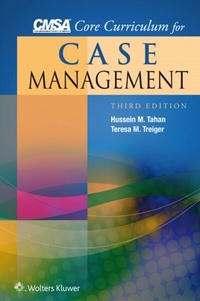
CMSA Core Curriculum for Case Management
1st Edition
Published on 5. July 2016
744 pages
978-1-4963-5189-0 (ISBN)
Description

The fully updated CMSA Core Curriculum for Case Management, 3rd edition, is the definitive roadmap to an informed, effective, collaborative case management practice. This comprehensive, expertly-written guide provides those directly or indirectly involved in case management with information about best practices, descriptions of key terms, essential skills, and tools that fulfill the current Case Management Society of America s (CMSA) standards and requirements. Addressing the full spectrum of healthcare professional roles and environments, this is both a crucial certification study guide and vital clinical resource for the case management professionals in all specialty areas, from students to veteran case managers. This unique resource provides the core knowledge needed for safe, cost-effective case management with the following features NEW text boxes highlighting key information and vital practices in each chapterNEW and updated Standards of Practice implications in each chapterNEW and updated content on transitions of care, community-based care, care coordination, Value-Based Purchasing, ethics and social media, the impacts of health care reform, and digital technologyNEW and updated content on accreditation in case managementNEW chapter that lists key additional resources, by topicOfficial publication of the Case Management Society of America, connecting CMSA core curriculum to current CMSA Standards of PracticeEasy-to-grasp, detailed topical outline format for quick scan of topicsComplete, updated core knowledge required of case managers, with expert descriptions and direction on areas including:Case management roles, functions, tools, and processesPlans, clinical pathways, and use of technologyTransitional planningUtilization management and resource managementLeadership skills and conceptsQuality and outcomes management, legal and ethical issuesEducation, training, and certificationHealth care insurance, benefits, and reimbursement systemsPractice settings and throughputInterdisciplinary teams needs in: hospitals, community clinics, private practice, acute care, home care, long-term care and rehab settings, palliative care, and hospice settingsUp-to-date guidance on case management specialty practices, including: nursing, life care planning, workers compensation, disability management, care of the elderly, behavioral health, transitions of care, subacute and long-term care, utilization review/management, primary care and medical/health home, and moreEssential content for academic reference, training, certification study, case management models design, performance or program evaluation
More details
Other editions
Additional editions
Hussein M. Tahan | Teresa M. Treiger
CMSA Core Curriculum for Case Management
Book
08/2016
3rd Edition
Lippincott Williams and Wilkins
€101.33
Article exhausted; check different version
Content
- Cover
- Half Title
- Series Title
- Title
- Copyright
- Dedication
- Contributors
- Reviewers
- Foreword
- Preface
- Acknowledgments
- Contents
- SECTION 1 The Foundation of Case Management Practice
- CHAPTER 1 Introduction to the CMSA Core Curriculum for Case Management
- Introduction
- Descriptions of Key Terms
- Applicability of the Core Curriculum to CMSA's Standards of Practice for Case Management
- Historical Perspective on CMSA's Standards of Practice for Case Management
- Select Definitions of Case Management
- Philosophy of Case Management
- Guiding Principles of Case Management
- The Case Management Team
- CHAPTER 2 History and Evolution of Case Management
- Introduction
- Descriptions of Key Terms
- Applicability to CMSA'S Standards of Practice
- Factors for the Rapid Growth of Case Management
- Professional Development of Case Management Practice
- Purposes and Goals of Case Management
- Philosophical Tenets of Case Management
- Case Management Knowledge Domains
- Case Management Target Populations
- Case Management Versus Other Job Titles
- CHAPTER 3 Health Care Insurance, Benefits, and Reimbursement Systems
- Introduction
- Descriptions of Key Terms
- Applicability to CMSA's Standards of Practice
- Driving Forces Behind Health Care Reimbursement Systems
- Types of Insurance
- Components of Health Care Reimbursement
- Health Care Delivery Systems
- Reimbursement Methods
- Challenges with Health Care Reimbursement
- Legal Issues Impacting Managed Care
- Strategies in Managed Care
- Compliance Considerations for Case Managers
- Reimbursement Implications for Case Managers
- CHAPTER 4 Case Management Practice Settings
- Introduction
- Descriptions of Key Terms
- Applicability to CMSA's Standards of Practice
- Case Management Practice Settings
- Telephonic Case Management
- Case Management in the Payer-Based Settings or Insurance Companies
- Case Management in the Community Care Setting
- Case Management in the Ambulatory Clinic and Outpatient Care Setting
- Case Management in the Patient-Centered Medical Home Care Setting
- Case Management in the Admitting Department
- Case Management in the Perioperative Services
- Independent/Private Case Management
- Case Management in the Emergency Department
- Patient Flow, Throughput, and Case Management
- Transitions of Care and Case Management
- Role of the Case Manager in Patient Safety and Prevention of Medical Errors During Transitions
- SECTION 2 Case Management and the Health Care Continuum
- CHAPTER 5 Case Management in the Acute Care Setting
- Introduction
- Descriptions of Key Terms
- Applicability to CMSA's Standards of Practice
- Background/Historical Perspective
- Distinguishing the Hospital Venue
- Physician Partnerships
- Designing a Case Management Model for Your Hospital
- Case Management Program Infrastructure
- Workflow
- Program Operations
- Outcomes
- CHAPTER 6 Case Management in the Community and Postacute Care Settings
- Introduction
- Descriptions of Key Terms
- Applicability to CMSA's Standards of Practice
- Federally Qualified Health Centers
- Patient-Centered Medical Home
- Accountable Care Organizations
- Roles of Case Managers in FQHCs, PCMHs, and ACOs
- Long-Term Care
- Rehabilitation Levels of Care
- Rehabilitation Services in Non-Inpatient Care Settings
- Nonmedical Levels of Care
- Respite Care
- Financial Aspects of Long-Term and Rehabilitation Care Settings
- Case Management Roles in Long-Term and Acute Rehabilitation Care Settings
- Resources for the Care of the Elderly
- The Geriatric and Older Adult Patient
- Identification of High-Risk Geriatric Patients
- Comprehensive Geriatric Assessment
- Geriatric Assessment for Placement of the Geriatric Patient
- CHAPTER 7 Case Management in the Home Care Setting
- Introduction
- Descriptions of Key Terms
- Applicability to CMSA's Standards of Practice
- The Role of the Hospital-Based Interdisciplinary Health Care Team
- Home Health Care Visits
- Reimbursement for Home Health Care Services
- Home Care Nursing Services
- Home Care Rehabilitation Services
- Durable Medical Equipment and Other Services
- Home Care Social Work Services
- The Role of the Hospital-Based Case Manager
- The Role of the Community-Based Case Manager
- Savings, Safety, and Satisfaction
- CHAPTER 8 Case Management in the Palliative and Hospice Care Settings
- Introduction
- Descriptions of Key Terms
- Applicability to CMSA's Standards of Practice
- Palliative Care
- Hospice Care
- Guiding Principles and Goals of Palliative and Hospice Care Programs
- Scope of Palliative and Hospice Care and Services
- Advance Directives and Health Care Proxies
- Case Management Services in Palliative and Hospice Care Programs
- CHAPTER 9 Case Management in the Remote and Rural Care Settings
- Introduction
- Descriptions of Key Terms
- Applicability to CMSA's Standards of Practice
- Understanding Designation of Areas Within United States
- Rural Culture Health Care Considerations
- Rural Case Management Programs and Services
- Behavioral Health Care in Rural Areas
- The Patient Protection and Affordable Care Act and Rural Case Management
- CHAPTER 10 Transitional Care and Case Management
- Introduction
- Applicability to CMSA's Standards of Practice
- Descriptions of Key Terms
- NTOCC Care Transitions Bundle: Seven Essential Intervention Categories
- Legislative and Regulatory Considerations Pertaining to Transitions of Care
- Transition of Care Models and Delivery Systems
- Transitions of Care and Implications for Case Management Practice
- Roles and Functions Associated with Transitions of Care
- Reimbursement Issues
- Certification and Accreditation in Transitions of Care
- SECTION 3 Roles, Functions, and Essential Practice Considerations for Case Managers
- CHAPTER 11 The Roles, Functions, and Activities of Case Management
- Introduction
- Descriptions of Key Terms
- Applicability to CMSA'S Standards of Practice
- Background
- Case Management Roles
- Case Management Functions and Activities
- Case Management Knowledge for Practice and Qualifications
- Case Management Knowledge and Skills According to the American Nurses Credentialing Center
- Conclusion
- CHAPTER 12 The Case Management Process
- Introduction
- Descriptions of Key Terms
- Applicability to CMSA's Standards of Practice
- Steps of the Case Management Process
- Special Actions Occurring Throughout the Case Management Process
- CHAPTER 13 Transitional Planning and Transitions of Care
- Introduction
- Descriptions of Key Terms
- Applicability to CMSA's Standards of Practice
- Transitional Planning as it Relates to Continuity of Care
- Federal Conditions of Participation that Influence Transitional Care From Acute Care Hospitals
- Other Selected Federal Rules that have Significance in Transition Planning
- Factors that Impact Case Management in Cross-Setting Measures
- Selected Levels of Care to Which Inpatients are Referred
- The Role of the Case Manager in the Process of Transitional Planning
- Value-Based Purchasing and Impact on Transition Management and Readmissions
- Case Manager and Managing Care Transitions
- CHAPTER 14 Resource and Utilization Management
- Introduction
- Descriptions of Key Terms
- Applicability to CMSA'S Standards of Practice
- UM Program and Process
- UM Team
- Certifications Related to UM and UR
- UM Criteria and Strategies
- UM Clinical Review Criteria and Guidelines
- Focused UM
- Denials of Admissions and Services
- Adverse Review Determination
- Medical Review Outcomes
- Appeal Process
- UM Performance Reporting
- Key Regulatory and Accreditation Bodies Associated with the UM Process
- UM Regulatory and Accreditation Processes
- Certification Programs in UR or UM
- CHAPTER 15 Case Management and Use of Technology
- Introduction
- Descriptions of Key Terms
- Applicability to CMSA'S Standards of Practice
- Health Information Technology and Case Management Information Systems
- Goals, Benefits, and Limitations of Case Management Information System (CMIS)
- CMIS and Case Management Informatics in Support of Consistency and Standards of Care
- Using CMIS to Measure Effectiveness of Case Management Intervention
- The Evolution and Delivery of Telehealth Interventions
- Telehealth Legislation
- Barriers to Telehealth
- Evaluation of Web Sites for Professional and Patient Use
- HIT Solutions in Support of Case Management
- CHAPTER 16 Case Manager's Role Leadership and Accountability
- Introduction
- Descriptions of Key Terms
- Applicability to CMSA's Standards of Practice
- Accountability
- Leadership Styles
- Leadership Skills
- Negotiation Skills
- Delegation Skills
- Communication Skills for Quality and Patient Safety
- Critical Thinking and Decision-Making
- The Ethics of Decision-Making
- Financial/Cost-Benefit Analysis
- Case Management Outcomes in the Supervisory Role
- Case Managers as Change Agents
- Case Managers and Motivational Interviewing
- CHAPTER 17 Professional Development, Certification, and Accreditation in Case Management
- Introduction
- Descriptions of Key Terms
- Applicability to CMSA's Standards of Practice
- Education and Training of Case Managers
- Consensus Areas for Case Management Education: Core Components
- Approaches to Case Management Education and Training
- Credentialing in Case Management
- Overview of Certification in Case Management
- Select Certifications in Case Management
- URAC Accreditation of Organizations Performing Case Management
- NCQA Accreditation in Case Management
- Differentiating Individual from Organizational Certification
- SECTION 4 Professional Obligations in Case Management
- CHAPTER 18 Ethics and General Case Management Practice
- Introduction
- Descriptions of Key Terms
- Applicability to CMSA's Standards of Practice
- Ethical Decision Making and the Case Manager
- Ethical Theories
- Ethical Principles and Decision Making
- Ethical Responsibilities Particularly Affecting Case Managers
- Strategies for Maintaining Ethical Behavior
- CHAPTER 19 Ethical Use of Case Management Technology
- Introduction
- Descriptions of Key Terms
- Applicability to CMSA'S Standards of Practice
- Transition in Modes of Patient and Professional Interaction
- Electronic Communication
- Social Media
- To Where Should Your Ethical Compass Point?
- CHAPTER 20 Legal Considerations in Case Management
- Introduction
- Descriptions of Key Terms
- Applicability to CMSA'S Standards of Practice
- Background
- Regulatory Compliance
- Contracts
- The Case Manager and the Legal Community
- Frequently Asked Questions
- CHAPTER 21 Use of Effective Case Management Plans
- Introduction
- Descriptions of Key Terms
- Applicability to CMSA'S Standards of Practice
- Case Management Care Planning and Plans of Care
- Case Management Plan Development Begins with Patient Assessment
- Case Management Plan Development-Data Gathering Format
- Case Management Plan Development Strategies
- Problem List Identification
- Case Management Plan Implementation
- Incorporating Evidence-Based Guidelines in Case Management Practice
- Clinical Pathways
- Algorithms
- Evidence-based Decision Support Criteria
- Benefits of Case Management Plans
- Case Management and Utilization Management
- CHAPTER 22 Quality and Outcomes Management in Case Management
- Introduction
- Descriptions of Key Terms
- Applicability to CMSA's Standards of Practice
- Defining Outcomes Management and Measurement
- Rationale for Outcomes Management
- Characteristics of Effective Outcome Measures
- Outcome Measures Selection and Development
- Case Management-Specific Outcomes
- Incorporating Outcomes Measurement into Case Management Practice
- Common Issues in Outcomes Reporting
- SECTION 5 Select Specialty Practices in Case Management
- CHAPTER 23 Behavioral Health and Integrated Case Management
- Introduction
- Descriptions of Key Terms
- Behavioral Health Case Management Models
- Applicability to CMSA'S Standards of Practice
- Behavioral Health Care Conditions and Implications for Case Management
- Challenges in Behavioral Health Case Management
- Treatment Settings and Behavioral Health Case Management
- Roles and Functions of the Behavioral Health Case Manager
- How Psychological Factors Impact Medical Conditions and Integrated Care Management
- Reimbursement Issues
- Integrated Case Management
- Appendix A-Suicide Practice Protocol
- Appendix B-Case Management Approaches for Patients with Low Self-Care States
- CHAPTER 24 Workers' Compensation Case Management
- Introduction
- Descriptions of Key Terms
- Applicability to CMSA's Standards of Practice
- Primary Goals of Workers' Compensation Programs
- Understanding the Impact of Workers' Compensation Costs
- Fitting the Pieces Together: Medical Case Management in the Workers' Compensation System
- Key Stakeholders in Workers' Compensation
- Workers' Compensation Laws That Directly Affect Case Management Practice
- Practicing the Case Management Process Within the Workers' Compensation System
- Requirements for Workers' Compensation Case Managers Roles and Employment Settings
- Scope of Medical Management in Workers' Compensation Settings
- Applying the Case Management Process
- Workers' Compensation Referrals for Return to Work
- Ethical Considerations for Workers' Compensation Case Managers
- Legal Issues for the Workers' Compensation Case Manager
- Trends in Workers' Compensation Case Management
- Medical Cost Containment Programs
- Federal Laws Affecting Workers' Compensation Case Management
- Documenting Quality of Services Using Outcome Measurements
- CHAPTER 25 Disability and Occupational Health Case Management
- Introduction
- Descriptions of Key Terms
- Applicability to CMSA's Standards of Practice
- Perspectives on Disability
- Components of Disability Case Management Programs
- Challenges to Disability Case Management
- The Americans with Disabilities Act (ADA)
- Resources for Disability Case Management Programs
- Integrated Disability Case Management Strategies
- Occupational Health Case Management
- Role of OH Case Managers
- Key Concepts of OH Case Management
- Success Factors for OH Case Management Programs
- Maximizing Workforce Health and Productivity
- Models of OH Case Management
- The Knowledge Base Required for OH and Disability Case Managers
- Return-to-Work Programs
- CHAPTER 26 Life Care Planning and Case Management
- Introduction
- Descriptions of Key Terms
- Applicability to CMSA'S Standards of Practice
- Aims of Life Care Planning
- The Process of Life Care Planning
- Role of the Case Manager as a Life Care Planner
- The Life Care Plan
- Development of the Life Care Plan
- Components of the Life Care Plan
- Medicare Set Asides: a Life Care Planning Specialty
- Health and Disability Insurance
- CHAPTER 27 Suggested Resources and Readings in Case Management
- Introduction
- Descriptions of Key Terms
- Applicability to CMSA's Standards of Practice
- Case Management Standards of Practice
- Case Management Textbooks
- Case Management Journals
- History and Evolution of Case Management
- Healthcare Benefits, Payment, and Reimbursement Systems
- Case Management Practice Settings and Throughput
- Case Management in the Acute Care Setting
- Case Management in the Community and Postacute Care Settings
- Case Management in the Home Care Setting
- Case Management in Palliative and Hospice Care Settings
- Case Management in Remote and Rural Care Settings
- Case Management and Transitional Care
- The Roles, Functions, and Activities of Case Management
- The Case Management Process
- Transitions of Care and Case Management Practice
- Resource and Utilization Management
- Case Management and Use of Technology
- Case Manager's Role Leadership and Accountability
- Certification and Accreditation in Case Management
- Professional Development and Academic Programs in Case Management
- Ethics and General Case Management Practice
- Ethical Use of Case Management Technology
- Legal Considerations in Case Management
- Use of Effective Case Management Plans
- Quality and Outcomes Management in Case Management Practice
- Behavioral Health, Substance Use, and Integrated Case Management
- Workers' Compensation Case Management
- Disability and Occupational Health Case Management
- Life Care Planning and Case Management
- Index
