

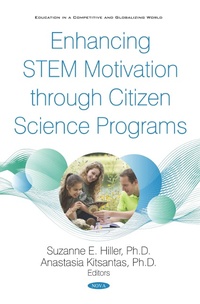
Enhancing STEM Motivation through Citizen Science Programs
Published on 10. July 2019
392 pages
978-1-5361-6039-0 (ISBN)
Description

Citizen science programs encourage the general public to help professional scientists to collect data for research studies through training protocol. Most recently, there has been an increase in adolescent student participation in citizen science programs. With the advent of citizen science as an educational platform, researchers have studied the ways this type of initiative influences interest in science, technology, engineering, and mathematics (STEM). This interdisciplinary edited book entitled Enhancing STEM Motivation through Citizen Science Programs merges research findings, theoretical understandings, and practical applications from the fields of citizen science and educational psychology. The work outlines effective components of citizen science initiatives for both formal and informal educational settings, which promote STEM motivation among youth. Specifically, the chapters describe effective components of citizen science programs, curricula guidelines for K-12 and post-secondary courses, research findings on the impact of citizen science programs for student self-motivational beliefs, achievement, and STEM motivation, as well as guidelines for evaluating citizen science programs. The overarching goal of this work is to encourage partnerships between educators, administrators, students, scientists, naturalists, and stakeholders interested in fostering student motivation in STEM areas through citizen science programs. This edited book is suitable for educators interested in providing students with opportunities to participate in citizen science as well as researchers of education, science, and educational psychology.
More details
Other editions
Additional editions
Suzanne E. Hiller | Anastasia Kitsantas
Enhancing STEM Motivation through Citizen Science Programs
Book
07/2019
Nova Science Publishers Inc
€303.05
Shipment within 15-20 days
Content
- Intro
- Contents
- Preface
- Section I: Overview of Citizen Science
- Chapter 1
- Enhancing STEM Motivation through Citizen Science Programs: A Framework for Educators and Researchers
- Abstract
- Citizen Science Programs
- Citizen Science, Professional Research, and Impacts on Citizen Scientists
- Citizen Science and Self-Motivational Beliefs
- Adolescent Citizen Science Research and Motivation
- Motivational and Self-Regulatory Dimensions of Citizen Science
- Chapter Highlights
- References
- Chapter 2
- Keeping It Real: Maximizing the Authenticity of Citizen Science Experiences to Strengthen Youth STEM Interest, Identity, and Motivation
- Abstract
- Overview of Chapter
- Citizen Science as an "Authentic" Science Experience
- Authenticity and Citizen Science
- Developing Interest
- Strengthening Science Identity
- Connecting Interest and Identity to STEM Motivation and Achievement
- Five Critical Elements of Citizen Science That Increase Authenticity
- Element One: An Explicit and Relevant Scientific Question
- Element Two: Meaningful Feedback to Participants
- Element Three: Interaction of Participants and Scientists as Collaborators
- Element Four: Interaction among Participants as Collaborators
- Element Five: Opportunity to Present Results to the Public
- An Exemplary Program - Vital Signs
- Overview of Program
- Highlights Illustrating the Five Critical Elements that Increase Authenticity
- Element one: Explicit and relevant scientific question
- Element two: Meaningful feedback to participants
- Element three: Interaction of participants and scientists as collaborators
- Element four: Interaction among participants as collaborators
- Element five: Opportunity to present results to the public
- Challenges and Advice from Formal Educators
- Working with "Negative" Experiences
- Making Connections to the Larger Scientific Endeavor
- Building and Sustaining Collaborations
- Educational Implications and Future Directions for Research
- Educator Roles as Co-Investigator and Guide
- Administrative Support
- Training for Educators and Administrators
- Future Research Directions
- Conclusion
- References
- Section II: Motives for Learning in Citizen Science Programs
- Chapter 3
- Motivation Processes in Citizen Science Programs: Current Status and Future Directions
- Abstract
- Models of Participation Engagement and Motivation in Citizen Science
- Overview of Motivation Processes
- Subjective Task Values
- Self-Efficacy
- Goal Orientation
- Intrinsic and Extrinsic Motivation
- Addressing Motivation Constructs in Citizen Science Research
- Self-Efficacy in Citizen Science Programs
- Intrinsic and Extrinsic Motivation in Citizen Science Programs
- Tips for Designing Motivation-Enhanced Citizen Science Programs
- Recommendation One - Using a Common Motivational Nomenclature
- Recommendation Two - Designing Motivationally-Robust Citizen Science Programs
- Recommendation Three - Developing Specific Motivation Assessment Tools
- Recommendation Four - Combining Motivational "Will" with Regulatory "Skill"
- Conclusion
- References
- Chapter 4
- Ensuring Healthy Social Dynamics and Motivation in Youth Citizen Science Programs
- Abstract
- Student Involvement in Citizen Science
- Self-Determination Theory
- Overview of the Theory
- Practical Applications and Recommendations
- Make projects personally meaningful
- Respect and empower students
- Achievement Goal Orientation Theory
- Overview of the Theory
- Practical Applications and Recommendations
- Emphasize learning, not competition
- Frequent use of authentic and informal assessment for learning
- Involve students in a variety of meaningful activities
- Stereotype Threat Theory
- Overview of the Theory
- Practical Applications and Recommendations
- Promote gender and racial equality through participating in community-related projects
- Social Capital Theory
- Overview of the Theory
- Practical Applications and Recommendations
- Support all students, especially the ones who are not well accepted by peers
- Collaborate with the communities and build relationships
- Conclusion
- References
- Chapter 5
- Empowering Young People through Co-Created Scientific Research
- Abstract
- Student Participation in STEM Education
- STEM Career Education
- An Introduction to the Institute for Research in Schools
- A Review of School-Based Citizen Science Literature
- An Introduction to School-Based Citizen Science Programs
- The Purpose and Aims of School-Based Citizen Science Programs
- Increasing scientific literacy through citizen science programs
- Increasing student engagement with scientific inquiry
- Increasing student attainment and retention in STEM subjects
- Increasing science capital and positive attitudes towards careers in STEM
- Implementing School-Based Citizens Science Programs
- The Role of Students in School-Based Citizen Science Programs
- The Role of Teachers in School-Based Citizen Science Programs
- Challenges and Opportunities for School-Based Citizen Science
- An Overview of IRIS Citizen Science Programs
- Physics Research
- Biology Research
- Chemistry Research
- Environmental Science Research
- Genome Decoders and Well World - Two Examples of IRIS Citizen Science Programs
- Genome Decoders - Frameworks for School-Based Citizen Science Programs
- The Framework of Genome Decoders
- Implementation Phase
- Well World - Resources to Support Student Agency in School-Based Citizen Science Projects
- Supporting Resources
- Planning an investigation
- Summary report template
- Journal club activity
- Educational Implications and Future Research Directions
- 1. Establish Research Collaborations That Are Well-Planned and Structured
- 2. Develop Research Collaborations Where Students Have Agency
- 3. Raise Students' Awareness of and Aspirations towards STEM Careers
- 4. Create Research Communication and Dissemination Opportunities for School Students
- 5. Enhance Students' Soft Skills and Self-Motivational Beliefs through Participation in Research
- Acknowledgements
- Appendix A
- Appendix B
- Appendix C
- References
- Section III: Creating Effective Collaborations among Educators and Citizen Science Programs
- Chapter 6
- Naturalists' Perspectives of Outdoor Learning, Adolescents as Citizen Scientists, and STEM Career Motivation
- Abstract
- Theoretical Perspective
- Protocol Training, Scientific Observation Skills, and Citizen Science
- Self-Efficacy
- Outdoor Learning and Affect
- Identity Formation and STEM Career Motivation
- Method
- Setting and Participant Selection
- Data Collection, Coding, and Data Analysis
- Axial Coding
- Results
- Scientific Observation Skills
- Self-Efficacy
- Affect
- Identity Formation and STEM Career Motivation
- Discussion
- Educational Implications
- Limitations and Future Directions
- Conclusion
- Appendix A
- Semi-Structured Interview Guide
- References
- Chapter 7
- Student Motivation and Teacher/Scientist Collaboration in Citizen Science Programs: Making Science Learning Fun and Relevant
- Abstract
- Research on Motivation in Science Education
- Self-Efficacy Sources
- Self-Efficacy Research
- Collaboration Between Teachers and Scientists
- Taking It a Step Further: Citizen Science Programs
- Key Aspects of CSPs
- Ant Picnic CSP
- Global Learning and Observations to Benefit the Environment CSP
- Educational Implications
- Recommendations for Future Research
- References
- Chapter 8
- Science Educators' Perspectives on Learning to Utilize Citizen Science in our Teaching
- Abstract
- Literature Review
- Theoretical Perspective
- Positioning Our Study
- Method
- Participants and Setting
- Study Design
- Procedures
- Selection of the projects
- Developing our teaching modules
- Protocol training
- Engaging in our community of practice
- Data Collection
- Data Analysis
- Validity
- Teachers' Self Reflections
- Reflection One
- Reflection Two
- Reflection Three
- Reflection Four
- Reflection Five
- Reflection Six
- Results
- Teacher Identity Development
- Working through inexperience
- Observing student perceptions
- Examination of teaching practices
- Our Perceptions of Students' Science Learning
- Student interest
- Collaborative learning
- Authentic practice
- Scientific observation skills
- Discussion
- Limitations
- Future Research
- Educational Implications
- Appendix A
- Teacher Reflection Questions
- Appendix B
- Scientific Poster Template
- Appendix C
- Scientific Poster Rubric
- Appendix D
- Data Collection Protocol Card Side A
- Photograph Example
- Data Table Example for Above Photograph
- Data Collection Protocol Card Side B
- Moon Phase Chart
- References
- Chapter 9
- Scientific Discovery in the Science Classroom via Contributions to Citizen Science
- Abstract
- Citizen Science
- Learning Science through Citizen Science
- The Zooniverse
- Motivation
- Designing a Course Citizen Science Assignment Assignment Overview
- Design Philosophy - Transparency and Motivation
- Intervention: The Citizen Science Assignment Assignment Part One:
- In-Class Introduction and Individual Contributions
- Assignment Part Two: Group Video
- Faculty Reflection on the Assignment
- Educational Implications and Future Research
- Conclusion
- Appendix A
- Contribution to Science Assignment
- Purpose
- Task
- Classification Log
- Video Presentation Key Questions
- Criteria for Success
- Appendix B
- References
- Section IV: Citizen Science Programs and STEM Education and Careers
- Chapter 10
- I Didn't Know What Real Science Was or What It Could Be: Citizen Science and Interest in STEM Education and Careers
- Abstract
- Theoretical Framework
- Social cognitive career theory
- Methods
- Context
- Teacher Participants
- Former Student Participants
- Data Collection
- Qualitative Methods
- Quantitative Methods
- MLMP CS Self-Efficacy Survey
- MLMP Motivated Strategies for Learning Questionnaire
- STEM Semantics Survey
- Data Analysis
- Results
- Overview of Former Student Participants
- Teacher Participants
- Outcome of Quantitative Data Sources Using Descriptive Statistics
- Findings from Qualitative Data
- Self-Efficacy: Mastery experiences
- Self-Efficacy: Vicarious experiences
- Self-Efficacy: Social persuasion
- Discussion
- MLMP Develops Capacity to Do Science
- Engaging in Citizen Science Programs Fosters Interest in Pursuing Educational and Career Opportunities in STEM
- Limitations
- Educational Implications and Directions for Future Research
- Appendix A
- Acknowledgments
- References
- Chapter 11
- Using Mobile Learning and Authentic Practice in Citizen Science Contexts to Foster STEM Interest in High School Students
- Abstract
- Mobile Learning and Authentic Practice in Citizen Science Contexts
- Research Questions
- Method
- Setting, Population, and Sample
- The Citizen Science Project
- Procedures
- Data Instruments
- Data Analysis
- Validity
- Results
- Research Question One
- Research Question Two
- Using Mobile Technologies in Citizen Science Projects Generates Interest in STEM
- Mobile Technologies Provide a Personalized, Accessible, Engaging and Efficient Way to Learn Science
- Discussion
- Creating STEM Interest
- Affordances of Mobile Learning in Citizen Science
- Effectively Utilizing Citizen Science in Schools
- Educational Implications and Directions for Future Research
- Conclusion
- Appendix A
- Open-Ended Questionnaire (Mobile Technology Group)
- Appendix B
- Open-Ended Questionnaire (Non-Mobile Technology Group)
- References
- Chapter 12
- Citizen Science in Higher Education: Evaluating Collaborative Practices
- Abstract
- Introduction
- Citizen Science Program
- Method
- Participants and Setting
- Data Collection
- Intervention
- Measures
- Data Analysis
- Results
- Discussion
- Partnership Benefits
- Citizen Science Project Growth
- Environmental Implications
- Educational Implications
- Acknowledgments
- References
- Section V: Assessment and Evaluation of Citizen Science Programs
- Chapter 13
- An Impact-Driven Approach to Evaluating Citizen Science Programs for Youth
- Abstract
- The "Who"
- The "What"
- Creating a List of Outcomes
- Crafting Indicators (or Evidence) of the Outcomes
- The "How"
- Choosing the Evaluation Type
- Choosing Evaluation Methods
- IRB: Ensuring Ethical Treatment of Human Subjects
- Communicating Evaluation Findings
- Acknowledging Limitations
- The "Why"
- Educational Implications
- Conclusion
- Appendix A
- Evaluation Planning Checklist
- References
- Chapter 14
- Evaluating the Impacts on Young People and Their Teachers Who Participate in Genuine Scientific Research Whilst at School
- Abstract
- Citizen Science Approaches
- Evaluation and Citizen Science Approaches
- IRIS' Evaluation Framework
- Measuring Outcomes of IRIS Projects -What are the Outcomes for Students and Teachers?
- Student Destination
- Qualitative Approaches to Citizen Science Evaluation
- Educational Implications and Directions for Future Research: Five Features of Evaluations of Co-Created Citizen Science Projects
- 360 and Longitudinal Approach to Evaluation
- Evaluation That Recognizes and Values the Individual Experience
- A Co-Creative Approach to Evaluation
- Evaluation as a Celebration Point
- Authors' Note
- References
- About the Editors
- Index
- Blank Page
