

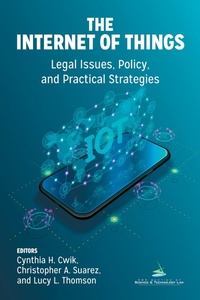
The Internet of Things (IoT)
Description

The Internet of Things encompasses the ability to connect and direct almost any kind of mechanical system, whether it's automotive, medical, residential, or critical infrastructure. IoT technologies hold tremendous promise for our communities by making them safer and more efficient. As with any other technology, they also entail security risk, and the risks associated with IoT technologies must be aggressively managed. We can do so, with industry's help, by working to leverage standards and liability and insurance mechanisms to ensure that IoT's foundational building blocks are secure and effective.
Increasingly, utilities are deploying smart grid technologies, wirelessly connecting thermostats to the utility to measure usage patterns and allow energy supplies to be adjusted, with precision based on need. Companies are working on clocks, kitchen appliances, and other household products that monitor consumer behavior to turn on your coffee machine moments before you wake up; warn you when you are low on supplies; order groceries for the week; and allow you to remotely operate your locks and lights so you need not be home to admit a visitor, or to check that your residence is secure. Regulating these various systems via network connectivity can add convenience and save money, but doing so can also arm malicious actors with an unprecedented ability to create chaos.
The issues that the book addresses include the use of IoT technology in connected cars, health tech, and unmanned aerial vehicles (aka drones); IoT and technological developments such as 5G and blockchain; the current state of laws and regulations relating to the IoT both in the United States and globally; risks associated with IoT devices, including security and privacy issues; how state attorneys general protect consumers in the IoT era; the impact of the IoT on intellectual property and insurance; guidelines for employers, including corporate counsel, regarding the IoT in the workplace; and the future of the IoT from the perspective of an MIT research scientist.
