

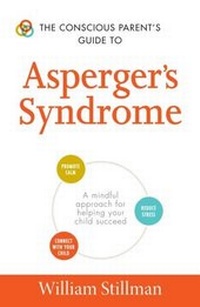
The Conscious Parent's Guide To Asperger's Syndrome
A Mindful Approach for Helping Your Child Succeed
1st Edition
Published on 6. November 2015
240 pages
978-1-4405-9315-4 (ISBN)
Description

A positive, mindful plan for the whole family!
If your child has been given a diagnosis of Asperger's syndrome, you may be feeling overwhelmed and unsure of what to do next. With The Conscious Parent's Guide to Asperger's Syndrome, you will learn how to take a relationship-centered approach to parenting that engages your child and ensures that he succeeds behaviorally, socially, and cognitively. Conscious parenting is about being present with your child and taking the time to understand how to help him flourish. By practicing this mindful method, you can support your child emotionally and help nurture his development.
This easy-to-use guide helps you to:
If your child has been given a diagnosis of Asperger's syndrome, you may be feeling overwhelmed and unsure of what to do next. With The Conscious Parent's Guide to Asperger's Syndrome, you will learn how to take a relationship-centered approach to parenting that engages your child and ensures that he succeeds behaviorally, socially, and cognitively. Conscious parenting is about being present with your child and taking the time to understand how to help him flourish. By practicing this mindful method, you can support your child emotionally and help nurture his development.
This easy-to-use guide helps you to:
- Honor your child's unique perspective and cognitive strengths
- Adapt a conscious parenting philosophy that works for everyone
- Identify triggers that can lead to sensory overload
- Lower stress levels for the entire family, including other siblings
- Keep open communication with your child and help him foster good relationships
- Embrace your child's passions and help him grow in practical ways
- Educate your family and friends about Asperger's
- Advocate for your child at school
More details
Other editions
Additional editions
William Stillman
The Conscious Parent's Guide To Asperger's Syndrome
A Mindful Approach for Helping Your Child Succeed
Book
12/2015
Adams Media Corporation
€14.50
No shipping information available
Person
An Adams Media author.
Content
- Intro
- Title Page
- Copyright Page
- Introduction
- Chapter 1: Conscious Parenting
- The Benefits of Conscious Parenting
- Giving Your Child Full Attention
- Understanding Behavior
- Conscious Parenting Tips
- Chapter 2: Defining Asperger's Syndrome
- Background and History
- On the Autism Spectrum
- Goodbye to Asperger's?
- Asperger's Defined
- Characteristics of Asperger's Syndrome and ASD
- Prevalence and Misdiagnosis
- Chapter 3: Seeking Diagnosis
- Is a Diagnosis Necessary?
- Making the Decision
- Local Resources for Diagnosis
- Intervention
- Disclosure and Self-Understanding
- Important Points to Consider
- Chapter 4: Discipline
- Your Approach to Discipline
- Setting Rules
- Communicating Expectations
- Seeing Your Child's Point of View
- Knowing When to Discipline
- Meltdowns
- Important Points to Consider
- Chapter 5: Communication
- How Would You Feel?
- Communicating Visually
- Extra Processing Time
- Eye Contact
- Creating Trust
- Helping Your Child Crack the "Social Code"
- Subtleties of Language
- Texting-A Good Thing?
- Additional Social Strategies
- Important Points to Consider
- Chapter 6: Mental Health
- Prevention, Not Intervention
- Depression
- Bipolar Disorder
- Anxiety and Post-Traumatic Stress Disorder
- Approaches for Mental Health Care
- Fostering Mental Health Self-Advocacy
- Important Points to Consider
- Chapter 7: Passions
- Identifying and Valuing Personal Passions
- Passions and Relationship Building
- Passions As Bridges to Learning
- Passions As Bridges to Employment
- When Is a Passion a Problem?
- Important Points to Consider
- Chapter 8: Family Dynamics
- Parents with Asperger's
- Recognizing Asperger's in Yourself or Your Spouse
- Sibling Relationships
- Extended Family
- Your Community
- Important Points to Consider
- Chapter 9: Fostering Relationships
- Your Child's Interactions
- The Dance of Reciprocal Flow
- Conversational "Bag of Tricks"
- Opportunities for Bonding
- Finding Allies
- Is It Okay to Be Alone?
- Important Points to Consider
- Chapter 10: Educational Programming
- Your Child's School Experience
- Individuals with Disabilities Education Act
- Developing a Plan
- Creating the Individualized Education Program
- Resolving Disagreements
- Alternative Education Programs
- Important Points to Consider
- Chapter 11: School-Related Issues
- The School Day
- How Your Child Learns
- Environmental Issues
- Homework
- Bullying
- Unstructured School Environments
- Important Points to Consider
- Chapter 12: Significant Transitions and Change
- Attending a New School
- Transition to New Home
- Transition to College
- Handling Divorce
- Loss of Loved Ones
- Important Points to Consider
- Chapter 13: Sexuality
- The Birds and the Bees
- Masturbation
- Infatuation
- Dating
- Same-Sex Attraction
- Important Points to Consider
- Chapter 14: Strategies of Lifelong Value
- Personal Schedules
- The Touchstone
- The Social Out
- Acting and Music
- Written Narratives
- Spirituality
- Important Points to Consider
- Chapter 15: Transitioning to Adulthood
- Planning for the Future
- The Person-Centered Planning Process
- Independent Living
- Learning New Responsibilities
- Don't Get Taken Advantage Of
- Understanding Justice
- Misunderstandings
- Calling the Police
- Important Points to Consider
- Chapter 16: The Rewards of Being an Asperger's Parent
- What Have You Learned?
- Asperger's and the World
- The Neurodiversity Movement
- The Future
- Appendix A: Further Reading
- Appendix B: Website Resources
