

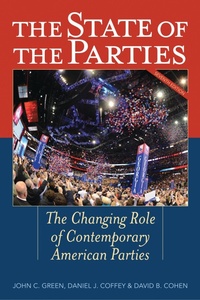
The State of the Parties
The Changing Role of Contemporary American Parties
Rowman & Littlefield Publishers
7th Edition
Published on 21. August 2014
410 pages
979-8-216-21657-5 (ISBN)
Description

Continuing a three-decade tradition, The State of the Parties 7th edition brings together leading experts to evaluate change and continuity in American electoral politics. Political parties in America have never been more contentious and divided than they are right now. Even splits within the parties themselves have the power to elevate relatively unknown candidates to power and topple established incumbents. With sections devoted to polarization and the electorate, polarization and political elites, tea party politics, super PACS, and partisan resources and partisan activities, the contributors survey the American political landscape. They pay special attention to polarization between and within the parties in the aftermath of the 2012 election, demographic changes to America's political parties, the effects of new media and campaign finance laws on national and local electoral results, the Tea Party's rise and, as always, the implications of all these factors on future policymaking and electoral prospects. The State of the Parties 7th edition offers an indispensable guide to American politics for scholars, students, and practitioners.
Contributions by: Alan Abramowitz, Paul A. Beck, Michael John Burton, Edward G. Carmines, Daniel J. Coffey, William F. Connelly, Jr., Meredith Dost, Diana Dwyre, Michael J. Ensley, Peter L. Francia, Erik Heidemann,,Shannon Jenkins, Caitlin E. Jewitt, David C. Kimball, Robin Kolodny, Thad Kousser, David B. Magleby, Seth Masket, William G. Mayer, Eric McGhee, William J. Miller, Jonathan S. Morris, Ronald Rapoport, Douglas D. Roscoe, Dante Scala, Daniel M. Shea, Boris Shor, Walter Stone, Jeffrey M. Stonecash, Eric C. Vorst, Michael W. Wagner
Contributions by: Alan Abramowitz, Paul A. Beck, Michael John Burton, Edward G. Carmines, Daniel J. Coffey, William F. Connelly, Jr., Meredith Dost, Diana Dwyre, Michael J. Ensley, Peter L. Francia, Erik Heidemann,,Shannon Jenkins, Caitlin E. Jewitt, David C. Kimball, Robin Kolodny, Thad Kousser, David B. Magleby, Seth Masket, William G. Mayer, Eric McGhee, William J. Miller, Jonathan S. Morris, Ronald Rapoport, Douglas D. Roscoe, Dante Scala, Daniel M. Shea, Boris Shor, Walter Stone, Jeffrey M. Stonecash, Eric C. Vorst, Michael W. Wagner
More details
Edition
7th edition
Language
English
Place of publication
United States
Publishing group
Bloomsbury Publishing Plc
ISBN-13
979-8-216-21657-5 (9798216216575)
Copyright in bibliographic data and cover images is held by Nielsen Book Services Limited or by the publishers or by their respective licensors: all rights reserved.
Schweitzer Classification
Other editions
Additional editions
John J. Green | Daniel J. Coffey | David B. Cohen
The State of the Parties
The Changing Role of Contemporary American Parties
Book
08/2014
7th Edition
Rowman & Littlefield Publishers
€77.80
Shipment within 10-20 days
Persons
John C. Green is Distinguished Professor of Political Science and director of the Ray C. Bliss Institute of Applied Politics at The University of Akron. Daniel J. Coffey is assistant professor of political science at The University of Akron and a fellow in the Ray C. Bliss Institute of Applied Politics. He has published in State Politics and Policy Quarterly. He studies political parties, public opinion, state and local politics, campaigns and elections, and research methods. David B. Cohen is professor of political science and fellow in the Ray C. Bliss Institute of Applied Politics at The University of Akron.
Content
Introduction
Coffey, Green and Cohen
I
Why So Polarized?
Why American Political Parties Can't Get Beyond the Left-Right Divide (Edward G. Carmines, Indiana University, Michael J. Ensley, Kent State University, Michael W. Wagner, University of Wisconsin). American Electorate: Explaining Polarization in Feeling Thermometer Ratings of the Parties (Alan Abramowitz, Emory University) Political Identity and Party Polarization in the American Electorate (David C. Kimball, Bryce Summary, and Eric C. Vorst, University of Missouri-St. Louis) The End of the Two-Tiered Electoral System (William G. Mayer, Northeastern University)
II
Elite Polarization
Congressional Polarization and Presidential-House Election Results (Jeffrey M. Stonecash, Syracuse University) Congress: Partisan, Polarized, Yet Not Dysfunctional? William F. Connelly, Jr., Washington and Lee University Two Parties Divided by a Common Language? Regional Sources of Partisan Disagreement (Daniel J. Coffey, University of Akron) Party Polarization in America's State Legislatures (Boris Shor, University of Chicago, Harris School)
III
The 2012 Presidential Election
The Role of Rules in the 2012 Presidential Nominations (Caitlin E. Jewitt, Indiana University-Purdue University Indianapolis)Kingmakers or Cheerleaders? Party Power and the Causal Effects of Endorsements (Thad Kousser, University of California, San Diego, Seth Masket, University of Denver, and Eric McGhee, Public Policy Institute of California)The Ground Game from the Voter's Perspective: 2012 and Before (Paul A. Beck, The Ohio State University and Erik Heidemann, Kent State University)
IV
The Tea Party and the 2012 Election
The Tea Party and the 2012 Election Ronald Rapoport, College of William and Mary, Meredith Dost, College of William and Mary, and Walter Stone, University of California, Davis) The Divided Republicans: Tea Party Supporters, Establishment Republicans, and the Role of Social Networking Media in Driving Polarization (Peter L. Francia and Jonathan S. Morris, East Carolina University) Who Needs Enemies? The Tea Party Impact on the Republican Party (William J. Miller, Flagler College and Michael John Burton, Ohio University)
V
Campaign Finance
The Changing Role of Hill Committees in the Age of Super PACS (Diana Dwyre, California State University, Chico and Robin Kolodny, Temple University) Towards a Typology of Super PACs: Candidate, Party or Group Centered? (David B. Magleby, Brigham Young University) The Importance of Building a Donor Network in the Presidential Primary: Lessons Learned by the 2012 Republicans (Dante Scala, University of New Hampshire)
VI
State and Local Parties
Changes in Local Party Structure and Activity, 1980-2010 (Douglas D. Roscoe and Shannon Jenkins, University of Massachusetts, Dartmouth)Separated We Stand? The Impact of Ideological Sorting on Local Party Dynamics (Daniel M. Shea, Colby College) Mahoning Democrats
Coffey, Green and Cohen
I
Why So Polarized?
Why American Political Parties Can't Get Beyond the Left-Right Divide (Edward G. Carmines, Indiana University, Michael J. Ensley, Kent State University, Michael W. Wagner, University of Wisconsin). American Electorate: Explaining Polarization in Feeling Thermometer Ratings of the Parties (Alan Abramowitz, Emory University) Political Identity and Party Polarization in the American Electorate (David C. Kimball, Bryce Summary, and Eric C. Vorst, University of Missouri-St. Louis) The End of the Two-Tiered Electoral System (William G. Mayer, Northeastern University)
II
Elite Polarization
Congressional Polarization and Presidential-House Election Results (Jeffrey M. Stonecash, Syracuse University) Congress: Partisan, Polarized, Yet Not Dysfunctional? William F. Connelly, Jr., Washington and Lee University Two Parties Divided by a Common Language? Regional Sources of Partisan Disagreement (Daniel J. Coffey, University of Akron) Party Polarization in America's State Legislatures (Boris Shor, University of Chicago, Harris School)
III
The 2012 Presidential Election
The Role of Rules in the 2012 Presidential Nominations (Caitlin E. Jewitt, Indiana University-Purdue University Indianapolis)Kingmakers or Cheerleaders? Party Power and the Causal Effects of Endorsements (Thad Kousser, University of California, San Diego, Seth Masket, University of Denver, and Eric McGhee, Public Policy Institute of California)The Ground Game from the Voter's Perspective: 2012 and Before (Paul A. Beck, The Ohio State University and Erik Heidemann, Kent State University)
IV
The Tea Party and the 2012 Election
The Tea Party and the 2012 Election Ronald Rapoport, College of William and Mary, Meredith Dost, College of William and Mary, and Walter Stone, University of California, Davis) The Divided Republicans: Tea Party Supporters, Establishment Republicans, and the Role of Social Networking Media in Driving Polarization (Peter L. Francia and Jonathan S. Morris, East Carolina University) Who Needs Enemies? The Tea Party Impact on the Republican Party (William J. Miller, Flagler College and Michael John Burton, Ohio University)
V
Campaign Finance
The Changing Role of Hill Committees in the Age of Super PACS (Diana Dwyre, California State University, Chico and Robin Kolodny, Temple University) Towards a Typology of Super PACs: Candidate, Party or Group Centered? (David B. Magleby, Brigham Young University) The Importance of Building a Donor Network in the Presidential Primary: Lessons Learned by the 2012 Republicans (Dante Scala, University of New Hampshire)
VI
State and Local Parties
Changes in Local Party Structure and Activity, 1980-2010 (Douglas D. Roscoe and Shannon Jenkins, University of Massachusetts, Dartmouth)Separated We Stand? The Impact of Ideological Sorting on Local Party Dynamics (Daniel M. Shea, Colby College) Mahoning Democrats
