


Learning from the Past, Present, and Future to Drive Profits to New Levels
Roadmaps for Solving and Preventing Problems, Making Better Decisions, and Implementing the Ultimate Improvement Cycle
1st Edition
Published on 23. November 2023
342 pages
978-1-003-80297-6 (ISBN)
Description

The content of this book is centered around three seemingly diverse themes. The first theme is why it's so important for companies to learn from the past, the present, and the future. The author covers some of the key learnings from the distant and current past, and how these learnings changed the course for many companies. He discusses new learnings that have been developed in our current state and will continue to be brought forward. He provides a look into the future, just to make sure companies understand that they should always be looking for better ways to function.
The second theme is centered around problem-solving, problem prevention, and decision-making. That is, how to successfully define problems that already exist in your current reality, how to prevent problems from occurring in the future, and how to make much more effective decisions. Problems have plagued many companies for many years and knowing how to follow a structured approach to solve them should prove to be very useful. And perhaps even more important than solving problems, is how companies can go about preventing the problems from occurring in the first place. Think about how your company might look if the plethora of problems to solve didn't exist. And with current or potential problems, many decisions must be made.
The final theme in this book is how to successfully implement the Theory of Constraints, and then combine Lean Manufacturing, Six Sigma, and the Theory of Constraints. The Theory of Constraints should be considered the "missing link" in most improvement initiatives. The author presents, in detail, why combining the Theory of Constraints with Lean and Six Sigma and all of the associated improvement tools and techniques will take your company to new levels of profitability. He introduces two new roadmaps. One roadmap is on how to implement the Theory of Constraints, while the other new roadmap is how to implement my Ultimate Improvement Cycle.
The second theme is centered around problem-solving, problem prevention, and decision-making. That is, how to successfully define problems that already exist in your current reality, how to prevent problems from occurring in the future, and how to make much more effective decisions. Problems have plagued many companies for many years and knowing how to follow a structured approach to solve them should prove to be very useful. And perhaps even more important than solving problems, is how companies can go about preventing the problems from occurring in the first place. Think about how your company might look if the plethora of problems to solve didn't exist. And with current or potential problems, many decisions must be made.
The final theme in this book is how to successfully implement the Theory of Constraints, and then combine Lean Manufacturing, Six Sigma, and the Theory of Constraints. The Theory of Constraints should be considered the "missing link" in most improvement initiatives. The author presents, in detail, why combining the Theory of Constraints with Lean and Six Sigma and all of the associated improvement tools and techniques will take your company to new levels of profitability. He introduces two new roadmaps. One roadmap is on how to implement the Theory of Constraints, while the other new roadmap is how to implement my Ultimate Improvement Cycle.
More details
Edition
1. Auflage
Language
English
Place of publication
London
United Kingdom
Publishing group
Taylor & Francis Ebooks
Target group
Professional and scholarly
Illustrations
11 Tables, black and white; 106 Line drawings, black and white; 106 Illustrations, black and white
ISBN-13
978-1-003-80297-6 (9781003802976)
Copyright in bibliographic data and cover images is held by Nielsen Book Services Limited or by the publishers or by their respective licensors: all rights reserved.
Schweitzer Classification
Other editions
Additional editions
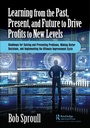
Bob Sproull
Learning from the Past, Present, and Future to Drive Profits to New Levels
Roadmaps for Solving and Preventing Problems, Making Better Decisions, and Implementing the Ultimate Improvement Cycle
Book
11/2023
1st Edition
Productivity Press
€65.60
Shipment within 10-20 days
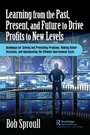
Bob Sproull
Learning from the Past, Present, and Future to Drive Profits to New Levels
Roadmaps for Solving and Preventing Problems, Making Better Decisions, and Implementing the Ultimate Improvement Cycle
Book
11/2023
1st Edition
Productivity Press
€195.00
Shipment within 10-20 days
Person
Bob Sproull is an Independent Consultant and the owner of Focus and Leverage Consulting. Bob is a certified Lean Six Sigma Master Black Belt and a Theory of Constraints Jonah. Bob has served as a Vice President of Quality, Engineering, and Continuous Improvement for two different manufacturing companies, was General Manager for a manufacturing company, has an extensive consulting background in Healthcare, Manufacturing, and Maintenance, Repair, and Overhaul (MRO), and focuses on teaching companies how to maximize their profitability through an integrated Lean, six Sigma, and Constraints Management improvement methodology.
Bob is an internationally known speaker and author of numerous white papers and articles on continuous improvement. Bob's background also includes 9 years with the Presbyterian University Hospital complex in Pittsburgh, Pennsylvania, where he ran the Biochemistry Department at Children's Hospital, performed extensive research in breakthrough testing methods and assisted with the development of organ transplant procedures.
Bob completed his undergraduate work at the University of Pittsburgh and University of Rochester with a dual Math/Physics major. A results-driven Performance Improvement Professional with diverse healthcare, manufacturing, MRO, and technical background, he has significant experience appraising under-performing companies, developing and executing highly successful improvement strategies based upon the integration of Lean, Six Sigma, and Constraints Management methodology.
Bob is the author of six books: The Secret to Maximizing Profitability: A Business Novel on How to Successfully Combine The Theory of Constraints, Lean, and Six Sigma to Drive Profit Margins to New Levels; The Focus and Leverage Improvement Book; The Problem-Solving, Problem-Prevention, and Decision-Making Guide: Organized and Systematic Roadmaps for Managers; The Ultimate Improvement Cycle: Maximizing Profits Through the Integration of Lean, Six Sigma and the Theory of Constraints; Process Problem Solving: A Guide for Maintenance and Operations Teams; Theory of Constraints, Lean, and Six Sigma Improvement Methodology: Making the Case for Integration.
He is the co-author of Epiphanized: A Novel on Unifying Theory of Constraints, Lean and Six Sigma, 2nd Edition; Focus and Leverage: The Critical Methodology for Theory of Constraints, Lean, and Six Sigma (TLS); and The New Beginning: A Business Novel on How to Successfully Implement the Combination of The Theory of Constraints, Lean, and Six Sigma to Drive Profit Margins.
Bob is an internationally known speaker and author of numerous white papers and articles on continuous improvement. Bob's background also includes 9 years with the Presbyterian University Hospital complex in Pittsburgh, Pennsylvania, where he ran the Biochemistry Department at Children's Hospital, performed extensive research in breakthrough testing methods and assisted with the development of organ transplant procedures.
Bob completed his undergraduate work at the University of Pittsburgh and University of Rochester with a dual Math/Physics major. A results-driven Performance Improvement Professional with diverse healthcare, manufacturing, MRO, and technical background, he has significant experience appraising under-performing companies, developing and executing highly successful improvement strategies based upon the integration of Lean, Six Sigma, and Constraints Management methodology.
Bob is the author of six books: The Secret to Maximizing Profitability: A Business Novel on How to Successfully Combine The Theory of Constraints, Lean, and Six Sigma to Drive Profit Margins to New Levels; The Focus and Leverage Improvement Book; The Problem-Solving, Problem-Prevention, and Decision-Making Guide: Organized and Systematic Roadmaps for Managers; The Ultimate Improvement Cycle: Maximizing Profits Through the Integration of Lean, Six Sigma and the Theory of Constraints; Process Problem Solving: A Guide for Maintenance and Operations Teams; Theory of Constraints, Lean, and Six Sigma Improvement Methodology: Making the Case for Integration.
He is the co-author of Epiphanized: A Novel on Unifying Theory of Constraints, Lean and Six Sigma, 2nd Edition; Focus and Leverage: The Critical Methodology for Theory of Constraints, Lean, and Six Sigma (TLS); and The New Beginning: A Business Novel on How to Successfully Implement the Combination of The Theory of Constraints, Lean, and Six Sigma to Drive Profit Margins.
Content
Chapter 1 Learning from the Past, Present, and Future
Chapter 2 The Key to Solving Problems
Chapter 3 The DNA of a Good Problem Solver
Chapter 4 Problem Prevention
Chapter 5 Effective Decision Making
Chapter 6 Needs Assessment
Chapter 7 A Message for Leadership
Chapter 8 Resolving Conflicts
Chapter 9 The Goal Tree - A New Way to Make and Use It
Chapter 10 Paths of Variation
Chapter 11 Systems Thinking
Chapter 12 Theory of Constraints Systems Thinking Tools
Chapter 13 The Interference Diagram
Chapter 14 TOC Distribution and Replenishment Solution
Chapter 15 Plant Types, Control Point Theory, and Volts Concepts
Chapter 16 Drum Buffer Rope
Chapter 17 The Theory of Constraints Roadmap
Chapter 18 The Ultimate Improvement Cycle Roadmap
Chapter 19 Performance Metrics
Chapter 20 Critical Chain Project Management
Chapter 21 Summary of the Key Learnings
Chapter 2 The Key to Solving Problems
Chapter 3 The DNA of a Good Problem Solver
Chapter 4 Problem Prevention
Chapter 5 Effective Decision Making
Chapter 6 Needs Assessment
Chapter 7 A Message for Leadership
Chapter 8 Resolving Conflicts
Chapter 9 The Goal Tree - A New Way to Make and Use It
Chapter 10 Paths of Variation
Chapter 11 Systems Thinking
Chapter 12 Theory of Constraints Systems Thinking Tools
Chapter 13 The Interference Diagram
Chapter 14 TOC Distribution and Replenishment Solution
Chapter 15 Plant Types, Control Point Theory, and Volts Concepts
Chapter 16 Drum Buffer Rope
Chapter 17 The Theory of Constraints Roadmap
Chapter 18 The Ultimate Improvement Cycle Roadmap
Chapter 19 Performance Metrics
Chapter 20 Critical Chain Project Management
Chapter 21 Summary of the Key Learnings
