

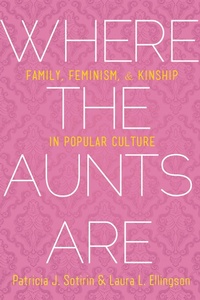
Where the Aunts Are
Description

While the aunt is one of the most iconic and beloved figures in popular culture, the societal role and import of real-life contemporary aunts are difficult to pin down. In some settings, she is the sole supporter, caregiver, or surrogate mother and exceeds her familial function as an aunt. In others, she subtly--or not so subtly--transgresses the assumed narrative of feminine identity. Surveying characters from Aunt Bee and Auntie Em to Bernie Mac's Aunt Wanda and House of Payne's Aunt Ella and countless living, breathing aunts across the country, Where the Aunts Are re-visions the ideals of family, femininity, and kinship and, in the process, offers a hopeful and progressive recognition of the multiple possibilities of womanhood in modern culture.
More details
Other editions
Additional editions
Persons
Laura L. Ellingson is Patrick A. Donohoe, S.J. Professor of Communication at Santa Clara University.
Patricia J. Sotirin is Professor of Communication at Michigan Technological University.
Content
Acknowledgments
Introduction: What's Up with Aunts?
1. (Not) Like a Mother: Black and White Maternal Aunts
2. "Othered" Aunting: Race, Class, and Institutionalized Misogyny
3. Like a (Bad) Mother: Neotraditional and Malevolent Aunts
4. Wisdom and Witchcraft: Magical Aunts and Nieces
5. Eccentric Aunts: Sanity, Sexuality, and Spectacle
6. Commodifying the Aunt
Conclusion: The Impact of Aunts
Appendix I: Aunt Websites
Appendix II: Popular Sources
Notes
References
Index
