

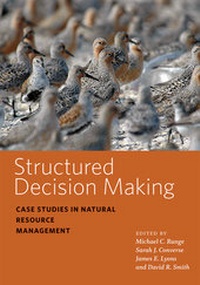
Structured Decision Making
Case Studies in Natural Resource Management
Published on 7. July 2020
288 pages
978-1-4214-3757-6 (ISBN)
Description

Provides and analyzes real examples of how structured decision making (SDM) can help solve complex problems involving natural resources.
When faced with complicated, potentially controversial decisions that affect our environment, many resource management agencies have come to realize the value of structured decision making (SDM)-the systematic use of principles and tools of decision analysis. Few professionals, however, have extensive experience implementing SDM. Structured Decision Making provides key information to both current adopters of the method and those who are deploying it for the first time by demonstrating the formal use of decision analysis to support difficult, real-world natural resource management decisions. Drawing on case studies from multiple public agencies in the United States, Canada, Australia, and Mauritius, the editors present an overview of decision analysis, a classification of decision types, and a catalog of decision analysis methods. Dozens of detailed charts and maps help contextualize the material.
These case studies examine a rich variety of topics, including
keeping forest birds free from disease
conserving imperiled freshwater mussels
managing water for oil sands mining
dealing with coastal wetlands in the face of sea-level rise
designing networks for prairie-dependent taxa
combatting invasive alpine shrubs
managing vernal pool habitats for obligate amphibian species
and much more
Aimed at decision makers tackling natural resource challenges in government agencies around the world, as well as advanced undergraduate and graduate students preparing to work in natural resource management, Structured Decision Making shows how SDM can be implemented to achieve optimal outcomes that integrate social values and scientific understanding.
Contributors: Taber D. Allison, Larissa L. Bailey, Ellen A. Bean, Clint W. Boal, Gregory Breese, Stefano Canessa, Jean Fitts Cochrane, Sarah J. Converse, Cami S. Dixon, John G. Ewen, Christelle Ferrière, Jill J. Gannon, Beth Gardner, Adam W. Green, Justin A. Gude, Victoria M. Hunt, Kevin S. Kalasz, Melinda G. Knutson, Jim Kraus, Graham Long, Eric V. Lonsdorf, James E. Lyons, Conor P. McGowan, Sarah E. McRae, Michael S. Mitchell, Clinton T. Moore, Joslin L. Moore, Steven Morey, Dan W. Ohlson, Charlie Pascoe, Andrew Paul, Eben H. Paxton, Lori B. Pruitt, Michael C. Runge, Sarah N. Sells, Terry L. Shaffer, Stephanie Slade, David R. Smith, Jennifer A. Szymanski, Terry Walshe, Nicolas Zuël
When faced with complicated, potentially controversial decisions that affect our environment, many resource management agencies have come to realize the value of structured decision making (SDM)-the systematic use of principles and tools of decision analysis. Few professionals, however, have extensive experience implementing SDM. Structured Decision Making provides key information to both current adopters of the method and those who are deploying it for the first time by demonstrating the formal use of decision analysis to support difficult, real-world natural resource management decisions. Drawing on case studies from multiple public agencies in the United States, Canada, Australia, and Mauritius, the editors present an overview of decision analysis, a classification of decision types, and a catalog of decision analysis methods. Dozens of detailed charts and maps help contextualize the material.
These case studies examine a rich variety of topics, including
keeping forest birds free from disease
conserving imperiled freshwater mussels
managing water for oil sands mining
dealing with coastal wetlands in the face of sea-level rise
designing networks for prairie-dependent taxa
combatting invasive alpine shrubs
managing vernal pool habitats for obligate amphibian species
and much more
Aimed at decision makers tackling natural resource challenges in government agencies around the world, as well as advanced undergraduate and graduate students preparing to work in natural resource management, Structured Decision Making shows how SDM can be implemented to achieve optimal outcomes that integrate social values and scientific understanding.
Contributors: Taber D. Allison, Larissa L. Bailey, Ellen A. Bean, Clint W. Boal, Gregory Breese, Stefano Canessa, Jean Fitts Cochrane, Sarah J. Converse, Cami S. Dixon, John G. Ewen, Christelle Ferrière, Jill J. Gannon, Beth Gardner, Adam W. Green, Justin A. Gude, Victoria M. Hunt, Kevin S. Kalasz, Melinda G. Knutson, Jim Kraus, Graham Long, Eric V. Lonsdorf, James E. Lyons, Conor P. McGowan, Sarah E. McRae, Michael S. Mitchell, Clinton T. Moore, Joslin L. Moore, Steven Morey, Dan W. Ohlson, Charlie Pascoe, Andrew Paul, Eben H. Paxton, Lori B. Pruitt, Michael C. Runge, Sarah N. Sells, Terry L. Shaffer, Stephanie Slade, David R. Smith, Jennifer A. Szymanski, Terry Walshe, Nicolas Zuël
More details
Series
Language
English
Place of publication
Baltimore
United States
Target group
Professional and scholarly
Illustrations
4 s/w Photographien bzw. Rasterbilder, 57 s/w Zeichnungen
4 Halftones, black and white; 57 Line drawings, black and white
File size
32,80 MB
ISBN-13
978-1-4214-3757-6 (9781421437576)
DOI
10.1353/book.74951
Copyright in bibliographic data and cover images is held by Nielsen Book Services Limited or by the publishers or by their respective licensors: all rights reserved.
Schweitzer Classification
Other editions
Additional editions
David R. Smith | Michael C. Runge | Sarah J. Converse
Structured Decision Making
Case Studies in Natural Resource Management
Book
07/2020
Johns Hopkins University Press
€75.50
Shipment within 10-20 days
Persons
Michael C. Runge is a research ecologist at the United States Geological Survey (USGS) Patuxent Wildlife Research Center. Sarah J. Converse is the unit leader of the USGS Washington Cooperative Fish and Wildlife Research Unit and an associate professor at the University of Washington. James E. Lyons is a research ecologist at the USGS Patuxent Wildlife Research Center. David R. Smith is a research statistician at the USGS Leetown Science Center.
Content
Contributors
Foreword, by Hugh P. Possingham
Introduction
1 Decision Analysis for Managing Public Natural Resources
Michael C. Runge and Ellen A. Bean
Part 1. Structuring Decisions
2 Introduction to Structuring Decisions
David R. Smith
3 Allocating Funds under the National Fish Habitat Action Plan
Michael C. Runge
4 Keeping Hawai'i's Forest Birds One Step Ahead of Disease in a Warming World
Eben H. Paxton and Jim Kraus
Part 2. Addressing Trade-Offs
5 Introduction to Multi-criteria Decision Analysis
Sarah J. Converse
6 Strategic Conservation of an Imperiled Freshwater Mussel, the Dwarf Wedgemussel, in North Carolina
David R. Smith and Sarah E. McRae
7 Spawning Closures for Coral Reef Fin Fish
Terry Walshe and Stephanie Slade
8 Managing Water for Oil Sands Mining
Dan W. Ohlson, Andrew J. Paul, and Graham E. Long
Part 3. Addressing Resource Allocation
9 Introduction to Resource Allocation
James E. Lyons
10 Resource Allocation for Coastal Wetland Management: Confronting Uncertainty about Sea-Level Rise
James E. Lyons, Kevin S. Kalasz, Gregory Breese, and Clint W. Boal
11 Reserve Network Design for Prairie-Dependent Taxa in South Puget Sound
Sarah J. Converse, Beth Gardner, and Steven Morey
12 Optimizing Resource Allocation for Managing a Shrub Invading Alpine Peatlands in Australia
Joslin L. Moore and Charlie Pascoe
Part 4. Addressing Risk
13 Introduction to Risk Analysis
Michael C. Runge and Sarah J. Converse
14 Addressing Disease Risk to Develop a Health Program for Bighorn Sheep in Montana
Sarah N. Sells, Michael S. Mitchell, and Justin A. Gude
15 Hedging against Uncertainty When Granting Permits for Mitigation
Jean Fitts Cochrane, Taber D. Allison, and Eric V. Lonsdorf
16 Dealing with Risk Attitudes in Supplementary Feeding of Mauritius Olive White-Eyes
Stefano Canessa, Christelle Ferrière, Nicolas Zuël, and John G. Ewen
Part 5. Addressing Knowledge Gaps
17 Introduction to Prediction and the Value of Information
David R. Smith
18 Developing Performance Criteria for a Population Model for Indiana Bat Conservation
Jennifer A. Szymanski and Lori B. Pruitt
19 Using a Research Experiment to Reduce Key Uncertainty about Managing Vernal Pool Habitats for Obligate Amphibian Species
Adam W. Green and Larissa L. Bailey
20 Prioritizing Uncertainties to Improve Management of a Reintroduction Program
Sarah J. Converse
Part 6. Addressing Linked and Dynamic Decisions
21 Introduction to Linked and Dynamic Decisions
Michael C. Runge
22 Restoration of Wetlands in the Prairie Pothole Region
Victoria M. Hunt, Melinda G. Knutson, and Eric V. Lonsdorf
23 An Adaptive Approach to Vegetation Management in Native Prairies of the Northern Great Plains
Clinton T. Moore, Jill J. Gannon, Terry L. Shaffer, and Cami S. Dixon
24 Decision Implementation and the Double-Loop Process in Adaptive Management of Horseshoe Crab Harvest in Delaware Bay
Conor P. McGowan, James E. Lyons, and David R. Smith
Index
Foreword, by Hugh P. Possingham
Introduction
1 Decision Analysis for Managing Public Natural Resources
Michael C. Runge and Ellen A. Bean
Part 1. Structuring Decisions
2 Introduction to Structuring Decisions
David R. Smith
3 Allocating Funds under the National Fish Habitat Action Plan
Michael C. Runge
4 Keeping Hawai'i's Forest Birds One Step Ahead of Disease in a Warming World
Eben H. Paxton and Jim Kraus
Part 2. Addressing Trade-Offs
5 Introduction to Multi-criteria Decision Analysis
Sarah J. Converse
6 Strategic Conservation of an Imperiled Freshwater Mussel, the Dwarf Wedgemussel, in North Carolina
David R. Smith and Sarah E. McRae
7 Spawning Closures for Coral Reef Fin Fish
Terry Walshe and Stephanie Slade
8 Managing Water for Oil Sands Mining
Dan W. Ohlson, Andrew J. Paul, and Graham E. Long
Part 3. Addressing Resource Allocation
9 Introduction to Resource Allocation
James E. Lyons
10 Resource Allocation for Coastal Wetland Management: Confronting Uncertainty about Sea-Level Rise
James E. Lyons, Kevin S. Kalasz, Gregory Breese, and Clint W. Boal
11 Reserve Network Design for Prairie-Dependent Taxa in South Puget Sound
Sarah J. Converse, Beth Gardner, and Steven Morey
12 Optimizing Resource Allocation for Managing a Shrub Invading Alpine Peatlands in Australia
Joslin L. Moore and Charlie Pascoe
Part 4. Addressing Risk
13 Introduction to Risk Analysis
Michael C. Runge and Sarah J. Converse
14 Addressing Disease Risk to Develop a Health Program for Bighorn Sheep in Montana
Sarah N. Sells, Michael S. Mitchell, and Justin A. Gude
15 Hedging against Uncertainty When Granting Permits for Mitigation
Jean Fitts Cochrane, Taber D. Allison, and Eric V. Lonsdorf
16 Dealing with Risk Attitudes in Supplementary Feeding of Mauritius Olive White-Eyes
Stefano Canessa, Christelle Ferrière, Nicolas Zuël, and John G. Ewen
Part 5. Addressing Knowledge Gaps
17 Introduction to Prediction and the Value of Information
David R. Smith
18 Developing Performance Criteria for a Population Model for Indiana Bat Conservation
Jennifer A. Szymanski and Lori B. Pruitt
19 Using a Research Experiment to Reduce Key Uncertainty about Managing Vernal Pool Habitats for Obligate Amphibian Species
Adam W. Green and Larissa L. Bailey
20 Prioritizing Uncertainties to Improve Management of a Reintroduction Program
Sarah J. Converse
Part 6. Addressing Linked and Dynamic Decisions
21 Introduction to Linked and Dynamic Decisions
Michael C. Runge
22 Restoration of Wetlands in the Prairie Pothole Region
Victoria M. Hunt, Melinda G. Knutson, and Eric V. Lonsdorf
23 An Adaptive Approach to Vegetation Management in Native Prairies of the Northern Great Plains
Clinton T. Moore, Jill J. Gannon, Terry L. Shaffer, and Cami S. Dixon
24 Decision Implementation and the Double-Loop Process in Adaptive Management of Horseshoe Crab Harvest in Delaware Bay
Conor P. McGowan, James E. Lyons, and David R. Smith
Index
