

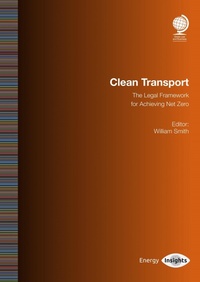
Clean Transport
The Legal Framework for Achieving Net Zero
1st Edition
Published on 14. August 2024
191 pages
978-1-83723-016-7 (ISBN)
Description

The transport sector has long been recognised as a major contributor to global CO2 emissions, accounting for a significant portion of greenhouse gas emissions. As concerns about climate change intensify, governments are under increasing pressure to address this issue and implement measures to mitigate the environmental impact of transportation.
This comprehensive Special Report delves into the transport sector's significant contribution to CO2 emissions and explores how governments worldwide are striving to drive change in this critical area. With a particular focus on modal shift, electric vehicles, sustainable aviation, green shipping and connected autonomous vehicles, this Special Report provides a timely in-depth analysis of the initiatives being undertaken to reduce CO2 emissions and promote sustainable transportation.
Clean Transport is an invaluable resource for in-house counsel, legal advisers, senior managers and consultants interested in the challenges and opportunities facing the transport sector in contributing to net zero emissions targets.
This comprehensive Special Report delves into the transport sector's significant contribution to CO2 emissions and explores how governments worldwide are striving to drive change in this critical area. With a particular focus on modal shift, electric vehicles, sustainable aviation, green shipping and connected autonomous vehicles, this Special Report provides a timely in-depth analysis of the initiatives being undertaken to reduce CO2 emissions and promote sustainable transportation.
Clean Transport is an invaluable resource for in-house counsel, legal advisers, senior managers and consultants interested in the challenges and opportunities facing the transport sector in contributing to net zero emissions targets.
More details
Other editions
Additional editions

Book
08/2024
Globe Law and Business Ltd
€175.50
Shipment within 3-4 weeks
Content
Foreword.7
Richard Marshall
DWS Infrastructure
I. Decarbonising the transport sector. 9
Ellie Gilbert
Anna Sweeney
Addleshaw Goddard
1. Introduction. 9
2. International decarbonisation strategies. 10
3. The UK's approach to decarbonisation. 12
4. Early days of government climate action. 13
5. Climate Change Act 2008. 14
6. Carbon budgets and carbon targets. 14
7. Transport and meeting the UK's climate targets. 16
8. Road to Zero Strategy. 17
9. The UK's Ten Point Plan for a Green Industrial Revolution. 18
10. The UK's transport decarbonisation plan. 21
11. UK Hydrogen Strategy. 23
12. Net Zero Strategy: Build Back Greener and Powering Up Britain: Net Zero Growth Plan. 23
13. Electric vehicle infrastructure strategy. 24
14. Carbon Budget Delivery Plan and ZEV Mandate. 24
15. The UK general election 2024. 24
16. Middle East approach to decarbonisation. 25
17. Conclusion.27
II. Rail decarbonisation. 29
Martin Fleetwood
Ross Sandford
Rachel Scott
Addleshaw Goddard
1. The legal imperative: United Kingdom. 29
2. Technology: "What does the future look like?". 35
3. How do we get there?. 45
4. Reducing carbon in the supporting infrastructure for new power systems. 50
5. Conclusion. 56
III. Zero and low emission road vehicles. 59
Ellen Beardsworth
Paul Dight
Anna Sweeney
Addleshaw Goddard
1. Zero emission road vehicles. 59
2. Zero emission technology options. 59
3. Impactful use cases. 68
4. The legal imperative: the Zero Emission Vehicle Mandate. 70
5. Challenges faced by the automotive industry. 71
6. How is the market responding to the challenges?. 78
7. Conclusion: why could zero emission vehicles be helpful to reaching net zero target?. 87
IV. Public transport and payments. 89
Jack Houselander
Euan Towers
Addleshaw Goddard
1. Introduction. 89
2. Payment services: the legal and compliance context. 90
3. The payment service provider relationship. 94
4. How does a payment transaction work?. 94
5. 'Open loop' and 'closed loop' payments in transport. 98
6. Models.103
V. Connected autonomous vehicles: the future of mobility and their role in achieving net zero. 107
Charles Christie
Nathalie Moreno
William Smith
Addleshaw Goddard
1. Introduction. 107
2. Understanding connected autonomous vehicles. 107
3. Self-driving and levels of automation. 108
4. Benefits of connected autonomous vehicles. 108
5. Connected autonomous vehicles and net zero. 110
6. Legal imperative and the current regulatory landscape. 112
7. How do we get there?. 115
8. The direction of travel across the globe. 118
9. Conclusion. 143
VI. Green shipping.145
Ed Watt
Addleshaw Goddard
1. Introduction: the fuel choice dilemma. 145
2. International Maritime Organization. 147
3. UK measures. 148
4. Emissions trading schemes. 150
5. Low emission technologies. 151
6. Conclusion. 161
VII. Aviation and the jet zero ambition. 163
Anna Ai
Sophie Black
Sheyda Rimmer
Addleshaw Goddard
1. Introduction. 163
2. Legal, political and regulatory background to sustainable aviation. 164
3. What does the future look like for the aviation industry?. 172
4. Conclusion. 179
Addendum. 183
About the authors. 185
About Globe Law and Business. 191
Richard Marshall
DWS Infrastructure
I. Decarbonising the transport sector. 9
Ellie Gilbert
Anna Sweeney
Addleshaw Goddard
1. Introduction. 9
2. International decarbonisation strategies. 10
3. The UK's approach to decarbonisation. 12
4. Early days of government climate action. 13
5. Climate Change Act 2008. 14
6. Carbon budgets and carbon targets. 14
7. Transport and meeting the UK's climate targets. 16
8. Road to Zero Strategy. 17
9. The UK's Ten Point Plan for a Green Industrial Revolution. 18
10. The UK's transport decarbonisation plan. 21
11. UK Hydrogen Strategy. 23
12. Net Zero Strategy: Build Back Greener and Powering Up Britain: Net Zero Growth Plan. 23
13. Electric vehicle infrastructure strategy. 24
14. Carbon Budget Delivery Plan and ZEV Mandate. 24
15. The UK general election 2024. 24
16. Middle East approach to decarbonisation. 25
17. Conclusion.27
II. Rail decarbonisation. 29
Martin Fleetwood
Ross Sandford
Rachel Scott
Addleshaw Goddard
1. The legal imperative: United Kingdom. 29
2. Technology: "What does the future look like?". 35
3. How do we get there?. 45
4. Reducing carbon in the supporting infrastructure for new power systems. 50
5. Conclusion. 56
III. Zero and low emission road vehicles. 59
Ellen Beardsworth
Paul Dight
Anna Sweeney
Addleshaw Goddard
1. Zero emission road vehicles. 59
2. Zero emission technology options. 59
3. Impactful use cases. 68
4. The legal imperative: the Zero Emission Vehicle Mandate. 70
5. Challenges faced by the automotive industry. 71
6. How is the market responding to the challenges?. 78
7. Conclusion: why could zero emission vehicles be helpful to reaching net zero target?. 87
IV. Public transport and payments. 89
Jack Houselander
Euan Towers
Addleshaw Goddard
1. Introduction. 89
2. Payment services: the legal and compliance context. 90
3. The payment service provider relationship. 94
4. How does a payment transaction work?. 94
5. 'Open loop' and 'closed loop' payments in transport. 98
6. Models.103
V. Connected autonomous vehicles: the future of mobility and their role in achieving net zero. 107
Charles Christie
Nathalie Moreno
William Smith
Addleshaw Goddard
1. Introduction. 107
2. Understanding connected autonomous vehicles. 107
3. Self-driving and levels of automation. 108
4. Benefits of connected autonomous vehicles. 108
5. Connected autonomous vehicles and net zero. 110
6. Legal imperative and the current regulatory landscape. 112
7. How do we get there?. 115
8. The direction of travel across the globe. 118
9. Conclusion. 143
VI. Green shipping.145
Ed Watt
Addleshaw Goddard
1. Introduction: the fuel choice dilemma. 145
2. International Maritime Organization. 147
3. UK measures. 148
4. Emissions trading schemes. 150
5. Low emission technologies. 151
6. Conclusion. 161
VII. Aviation and the jet zero ambition. 163
Anna Ai
Sophie Black
Sheyda Rimmer
Addleshaw Goddard
1. Introduction. 163
2. Legal, political and regulatory background to sustainable aviation. 164
3. What does the future look like for the aviation industry?. 172
4. Conclusion. 179
Addendum. 183
About the authors. 185
About Globe Law and Business. 191
