

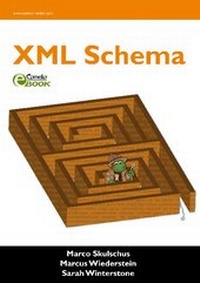
XML Schema
2nd Edition
Published on 16. March 2011
500 pages
978-3-939701-57-6 (ISBN)
Description

XML Schema ist der W3C-Nachfolger zur Document Type Definition (DTD). Er stellt die Definition von datenorientierten Dokumenten in den Vordergrund und bietet umfangreiche Möglichkeiten, feine Angaben zu XML-Strukturen zu treffen.
Mit diesem Buch erhalten Sie eine vollständige Einführung in XML Schema, sodass Sie in der Lage sind, eigene Schema-Definitionen unter Anwendung aller Mechanismen zu erstellen. Dazu gehören Definition von Elementen und Attributen, Zuweisung und Erstellung von Datentypen, Auslagerung und Wiederverwendung von Teil-Dokumenten und Ableitung von globalen Strukturen oder auch den Einsatz von Schlüsseln und Verweisen. Sie lernen auch, wie Sie XML Schema-Dokumente für die Beschreibung von Datenbankstrukturen verwenden und diese mit XSLT in SQL-Quelltext transformieren können. Dabei unterstützen Sie Beispiele aus dem Umfeld einer Spielfirma, Vergleiche mit der DTD und die Abbildung von Syntaxstrukturen in Zeichnungen.
Mit diesem Buch erhalten Sie eine vollständige Einführung in XML Schema, sodass Sie in der Lage sind, eigene Schema-Definitionen unter Anwendung aller Mechanismen zu erstellen. Dazu gehören Definition von Elementen und Attributen, Zuweisung und Erstellung von Datentypen, Auslagerung und Wiederverwendung von Teil-Dokumenten und Ableitung von globalen Strukturen oder auch den Einsatz von Schlüsseln und Verweisen. Sie lernen auch, wie Sie XML Schema-Dokumente für die Beschreibung von Datenbankstrukturen verwenden und diese mit XSLT in SQL-Quelltext transformieren können. Dabei unterstützen Sie Beispiele aus dem Umfeld einer Spielfirma, Vergleiche mit der DTD und die Abbildung von Syntaxstrukturen in Zeichnungen.
All prices
More details
Other editions
Additional editions
Marco Skulschus | Marcus Wiederstein | Sarah Winterstone
XML Schema
Book
03/2011
2nd Edition
Comelio
€39.95
Shipment within 10-20 days
Persons
Marco Skulschus, Marcus Wiederstein und Sarah Winterstone arbeiten im Bereich Softwareentwicklung und Weiterbildung bei der Comelio GmbH. Sie beschäftigen sich seit Beginn der XML-Zeitrechnung mit diesem Thema. Spezialgebiete sind hierbei Datenbanken und XML sowie Ontologien auf XML-Basis. Dies ist ihr zehntes Buch zum Thema XML mit Verkaufszahlen über 15.000 Exemplaren. Bis jetzt liegen Bücher zu einzelnen XML-Standards und zur Verwendung von XML in Datenbanken vor. Ihre Kurzreferenzen zu vielen XML-Themen verkauften sich über 40.000 mal.
Content
1 - Inhaltsverzeichnis [Seite 6]
2 - Vorwort [Seite 10]
3 - 1.Elemente und Attribute [Seite 21]
3.1 - 1.1. Entwicklung von XML-Datenmodellen [Seite 21]
3.2 - 1.2. Elemente und einfache Inhaltsmodelle definieren [Seite 40]
3.3 - 1.3. Attribute deklarieren [Seite 47]
3.4 - 1.4. Lokale und globale Deklarationen [Seite 49]
4 - 2.Datentypen und Strukturen [Seite 72]
4.1 - 2.1. Vordefinierte Datentypen [Seite 72]
4.2 - 2.2. Deklaration einfacher Typen [Seite 89]
4.3 - 2.3. Reguläre Ausdrücke in XML Schema [Seite 119]
5 - 3. Komplexe Typen und Inhaltsmodelle [Seite 129]
5.1 - 3. 1. Deklaration von komplexen Typen [Seite 129]
5.2 - 3.2. Inhaltsmodelle [Seite 156]
5.3 - 3.3. Spezielle Inhaltsmodelle [Seite 180]
6 - 4.Schlüssel und Verweise [Seite 194]
6.1 - 4.1. ID und IDREF/IDREFS [Seite 194]
6.2 - 4.2. Key, Unique und Keyref [Seite 204]
7 - 5. Auslagerung und Wiederverwendung [Seite 227]
7.1 - 5.1. Inklusion [Seite 228]
7.2 - 5.2. Import von Strukturen [Seite 243]
8 - 6. Gruppierungen und Ableitungskontrolle [Seite 256]
8.1 - 6.1. Verwendung von Gruppen [Seite 256]
8.2 - 6.2. Ableitungen kontrollieren [Seite 276]
9 - 7.Namensräume [Seite 288]
9.1 - 7.1. Namensräume in XML [Seite 288]
9.2 - 7.2. Deklaration von Namensräumen [Seite 294]
9.3 - 7.3. Namensraum-Übernahme [Seite 307]
10 - 8. Dokumentmodellierung und erweiterbare Schemata [Seite 321]
10.1 - 8.1.Überlegungen zur Dokumentmodellierung [Seite 321]
10.2 - 8.2. Benennung und Struktur von Elementen und Attributen [Seite 335]
11 - 9.Dokumentation [Seite 362]
11.1 - 9.1. Möglichkeiten der Dokumentation [Seite 362]
11.2 - 9.2. Auslesen von Kommentaren [Seite 370]
12 - 10. DB-Datenmodellierung und XSLT-Transformation [Seite 385]
12.1 - 10.1. Datenmodellierung [Seite 385]
12.2 - 10.2. XML Schema und Datenbanken [Seite 410]
13 - 11.XML Schema und OOP [Seite 430]
13.1 - 11.1. XML Schema und Objektorientierung [Seite 430]
13.2 - 11.2. XML Schema-Bindung in .NET [Seite 440]
13.3 - 11.3. XML-Schema-Bindung in Java [Seite 457]
14 - Index [Seite 475]
15 - Unsere Empfehlungen [Seite 486]
2 - Vorwort [Seite 10]
3 - 1.Elemente und Attribute [Seite 21]
3.1 - 1.1. Entwicklung von XML-Datenmodellen [Seite 21]
3.2 - 1.2. Elemente und einfache Inhaltsmodelle definieren [Seite 40]
3.3 - 1.3. Attribute deklarieren [Seite 47]
3.4 - 1.4. Lokale und globale Deklarationen [Seite 49]
4 - 2.Datentypen und Strukturen [Seite 72]
4.1 - 2.1. Vordefinierte Datentypen [Seite 72]
4.2 - 2.2. Deklaration einfacher Typen [Seite 89]
4.3 - 2.3. Reguläre Ausdrücke in XML Schema [Seite 119]
5 - 3. Komplexe Typen und Inhaltsmodelle [Seite 129]
5.1 - 3. 1. Deklaration von komplexen Typen [Seite 129]
5.2 - 3.2. Inhaltsmodelle [Seite 156]
5.3 - 3.3. Spezielle Inhaltsmodelle [Seite 180]
6 - 4.Schlüssel und Verweise [Seite 194]
6.1 - 4.1. ID und IDREF/IDREFS [Seite 194]
6.2 - 4.2. Key, Unique und Keyref [Seite 204]
7 - 5. Auslagerung und Wiederverwendung [Seite 227]
7.1 - 5.1. Inklusion [Seite 228]
7.2 - 5.2. Import von Strukturen [Seite 243]
8 - 6. Gruppierungen und Ableitungskontrolle [Seite 256]
8.1 - 6.1. Verwendung von Gruppen [Seite 256]
8.2 - 6.2. Ableitungen kontrollieren [Seite 276]
9 - 7.Namensräume [Seite 288]
9.1 - 7.1. Namensräume in XML [Seite 288]
9.2 - 7.2. Deklaration von Namensräumen [Seite 294]
9.3 - 7.3. Namensraum-Übernahme [Seite 307]
10 - 8. Dokumentmodellierung und erweiterbare Schemata [Seite 321]
10.1 - 8.1.Überlegungen zur Dokumentmodellierung [Seite 321]
10.2 - 8.2. Benennung und Struktur von Elementen und Attributen [Seite 335]
11 - 9.Dokumentation [Seite 362]
11.1 - 9.1. Möglichkeiten der Dokumentation [Seite 362]
11.2 - 9.2. Auslesen von Kommentaren [Seite 370]
12 - 10. DB-Datenmodellierung und XSLT-Transformation [Seite 385]
12.1 - 10.1. Datenmodellierung [Seite 385]
12.2 - 10.2. XML Schema und Datenbanken [Seite 410]
13 - 11.XML Schema und OOP [Seite 430]
13.1 - 11.1. XML Schema und Objektorientierung [Seite 430]
13.2 - 11.2. XML Schema-Bindung in .NET [Seite 440]
13.3 - 11.3. XML-Schema-Bindung in Java [Seite 457]
14 - Index [Seite 475]
15 - Unsere Empfehlungen [Seite 486]
