

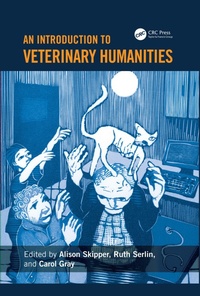
An Introduction to Veterinary Humanities
1st Edition
Published on 14. April 2026
300 pages
978-1-040-49271-0 (ISBN)
Description

Although veterinary professionals can now provide technologically sophisticated medical care for animals, every day they ask themselves questions that lie outside the realm of science. How do I overcome my dread of this hostile client? How can I protect myself from moral stress? What level of intervention is ethically appropriate for this patient? What does professionalism mean for me? While the work can be immensely rewarding, the veterinary sector can be very challenging. It is a world where clinical care is influenced and professionalism affected by multiple factors relating to colleagues, patients, animal caregivers and wider societal contexts. We deal every day with human problems that science alone can't solve.
This book offers new ways to think about these issues through the emerging interdisciplinary field of veterinary humanities. It breaks new ground in bringing together insights from multiple academic perspectives - history, art, ethics, social sciences and many more - to think about veterinary topics in a new way through contributions from over forty authors. Some are veterinary professionals with expertise in humanities and social science, others explore the veterinary world from a primary background in the humanities and social sciences. Addressing topics from across the veterinary sector, their writing ranges from deeply personal reflections to academic essays.
? 32 chapters by different authors with veterinary and/or humanities expertise
? Linking sections that relate these contributions to overarching themes
? UK-based scholarship with wider relevance
? Structured to stimulate reflection and discussion, in university, in the workplace, or anywhere where people consider what it means to be involved in the veterinary world.
This anthology will be particularly relevant to those training or working in the veterinary sector, whatever your role or level of experience. Other readers who are interested in animal welfare and human-animal relationships will also find it accessible, because the book assumes no clinical knowledge and offers no clinical guidance. It's a book about being human and working with animals, intended to help you think about what that means for you.
This book offers new ways to think about these issues through the emerging interdisciplinary field of veterinary humanities. It breaks new ground in bringing together insights from multiple academic perspectives - history, art, ethics, social sciences and many more - to think about veterinary topics in a new way through contributions from over forty authors. Some are veterinary professionals with expertise in humanities and social science, others explore the veterinary world from a primary background in the humanities and social sciences. Addressing topics from across the veterinary sector, their writing ranges from deeply personal reflections to academic essays.
? 32 chapters by different authors with veterinary and/or humanities expertise
? Linking sections that relate these contributions to overarching themes
? UK-based scholarship with wider relevance
? Structured to stimulate reflection and discussion, in university, in the workplace, or anywhere where people consider what it means to be involved in the veterinary world.
This anthology will be particularly relevant to those training or working in the veterinary sector, whatever your role or level of experience. Other readers who are interested in animal welfare and human-animal relationships will also find it accessible, because the book assumes no clinical knowledge and offers no clinical guidance. It's a book about being human and working with animals, intended to help you think about what that means for you.
Reviews / Votes
"The first book in a new field represents a significant step. An agenda begins to take shape. Whether you read this book from cover to cover or dip in and out, you will find much food for thought in the collection of essays. Please tell people about them. It is time to extend the conversation."Andrew Gardiner, Professor of Veterinary Medical Humanities, Royal (Dick) School of Veterinary Studies, University of Edinburgh, UK
More details
Edition
1. Auflage
Language
English
Place of publication
London
United Kingdom
Publishing group
Taylor & Francis Ltd
Target group
College/higher education
Professional and scholarly
Illustrations
7 Tables, black and white; 2 Line drawings, color; 14 Line drawings, black and white; 10 Halftones, color; 12 Illustrations, color; 14 Illustrations, black and white
File size
8,77 MB
ISBN-13
978-1-040-49271-0 (9781040492710)
Copyright in bibliographic data and cover images is held by Nielsen Book Services Limited or by the publishers or by their respective licensors: all rights reserved.
Schweitzer Classification
Other editions
Additional editions
Alison Skipper | Ruth Serlin | Carol Gray
An Introduction to Veterinary Humanities
Book
approx. 04/2026
1st Edition
CRC Press
€160.50
Not yet published
Alison Skipper | Ruth Serlin | Carol Gray
An Introduction to Veterinary Humanities
Book
approx. 04/2026
1st Edition
CRC Press
€105.20
Not yet published
Persons
Alison Skipper qualified from Cambridge Vet School and spent many years in first-opinion companion animal practice before turning to the humanities and completing an MA in History and a Wellcome Trust-funded PhD on the history of breed-related disease in pedigree dogs at King's College London, followed by a charity-funded postdoctoral project at the Royal Veterinary College, which analysed UK canine health and welfare research funding. She is now Veterinary and Research Advisor at the Royal Kennel Club, where she uses interdisciplinary skills to advance canine welfare in the dog breeding sector. Alison is a co-founder of Veterinary Humanities UK.
Ruth Serlin qualified from the Royal Veterinary College and has worked as a charity vet, a primary care emergency vet and as an educator in practice. After moving into veterinary education, she has been a Lecturer in Veterinary Professionalism at the RVC, a Training Consultant for VDS Training, and is now founder of Mosaica Consulting, a communication skills consultancy. Her academic career has followed a similar squiggly trajectory and she has a Certificate in Veterinary Anaesthesia, a postgraduate teaching qualification, and a Master's in Applied Linguistics from Nottingham - her gateway to the world of the humanities.
Carol Gray qualified from Glasgow Vet School and spent 15 years in charity and first-opinion practice, including 6 years as a practice owner. After a move into veterinary education, she taught professional skills at Liverpool Vet School, during which she completed an MA in Medical Ethics and Law. Now a confirmed humanities scholar, she undertook an ESRC-funded PhD at the University of Birmingham Law School, examining the nature of informed consent for small animal elective surgery. After a postdoctoral post at Liverpool Law School, she moved to Hartpury University to focus on postgraduate veterinary nurse education. She is co-founder of Veterinary Humanities UK.
Ruth Serlin qualified from the Royal Veterinary College and has worked as a charity vet, a primary care emergency vet and as an educator in practice. After moving into veterinary education, she has been a Lecturer in Veterinary Professionalism at the RVC, a Training Consultant for VDS Training, and is now founder of Mosaica Consulting, a communication skills consultancy. Her academic career has followed a similar squiggly trajectory and she has a Certificate in Veterinary Anaesthesia, a postgraduate teaching qualification, and a Master's in Applied Linguistics from Nottingham - her gateway to the world of the humanities.
Carol Gray qualified from Glasgow Vet School and spent 15 years in charity and first-opinion practice, including 6 years as a practice owner. After a move into veterinary education, she taught professional skills at Liverpool Vet School, during which she completed an MA in Medical Ethics and Law. Now a confirmed humanities scholar, she undertook an ESRC-funded PhD at the University of Birmingham Law School, examining the nature of informed consent for small animal elective surgery. After a postdoctoral post at Liverpool Law School, she moved to Hartpury University to focus on postgraduate veterinary nurse education. She is co-founder of Veterinary Humanities UK.
Content
Part I: Care 1. From Medical to Veterinary Humanities, Theme 1: Perceiving Animals and Ourselves, 2. Shame, Motivation, Medicine and Me, 3. Veterinary Sensing Practices and the Crafting of Cow Bodies in Farming, 4. The Blueprint for Success, 5. Fresh Perspectives: What Can Vets Learn from Engaging with Art?, 6. Changing Faces, Theme 2: Care Practices and Treatment Choices, 7. The Human-Horse Relationship: Entanglements with Veterinary Care, 8. Contextualised Care in Exotic Animal Practice, 9. Six Strategies for Trust Building in Veterinary Care, 10. Contextualised Care and the Veterinary Nurse, 11. Veterinary Clinical Reasoning Through the Lens of Situativity Theory, 12. Welfare in the Balance: Ensuring Standards of Care in Shelter Medicine, Theme 3: End of Life, 13. From Veterinary Science to the Social Sciences: Rediscovering Veterinary End-of-Life Care, 14. Ethical and Legal Considerations When Making Decisions for Companion Animals at the End of Life, and 15. Understanding Client Bereavement at the End of Animal Life.
Part II: Professionalism Theme 4: Developing Professional Identity, 16. Locating the Humanities in Veterinary Education, 17. Developing a Professional Identity, 18. Reflective Capacity in Veterinary Professionals, 19. Using the Humanities in Veterinary Education: Developing Professionals, Theme 5: Evolving Professional Roles, 20. Care and Professionalism: How Are They Related and Why Is This an Issue?, 21. Care, Display, and Salvation: Biopower and the Zoo Veterinarian, 22. Vets as Authority Figures, Knowledge Brokers, Coaches and Mentors: The Changing Role of Vets in Addressing Endemic Conditions in Cattle and Sheep, Theme 6: Professional Communities and Relationships, 23. Professional Journeys into the Social Science of Veterinary Medicine: The Case of Animal Research, 24. One Health in Action: Feline Spongiform Encephalopathy and the BSE Epidemic, 25. An Exploration of the Importance of Interprofessional Collaboration Within Veterinary Practice and the Subsequent Need for Interprofessional Education, 26. Developing the Role of Animal Companionship Practitioner, 27. Vet-Client Relationships in Large Animal Practice: The Importance of Trust and Matched Expectations, Section 7: Professional Difficulties and Conflicts, 28. Moral Injury and Veterinary Nursing, 29. Queering the Veterinary Humanities, 30. Old Conflict, Long Shadows: Veterinary Attitudes to Dog Breeding Through the Lens of History, 31. The Autistic Retrospectoscope, and 32. Virtue Ethics in Veterinary Medicine.
Part II: Professionalism Theme 4: Developing Professional Identity, 16. Locating the Humanities in Veterinary Education, 17. Developing a Professional Identity, 18. Reflective Capacity in Veterinary Professionals, 19. Using the Humanities in Veterinary Education: Developing Professionals, Theme 5: Evolving Professional Roles, 20. Care and Professionalism: How Are They Related and Why Is This an Issue?, 21. Care, Display, and Salvation: Biopower and the Zoo Veterinarian, 22. Vets as Authority Figures, Knowledge Brokers, Coaches and Mentors: The Changing Role of Vets in Addressing Endemic Conditions in Cattle and Sheep, Theme 6: Professional Communities and Relationships, 23. Professional Journeys into the Social Science of Veterinary Medicine: The Case of Animal Research, 24. One Health in Action: Feline Spongiform Encephalopathy and the BSE Epidemic, 25. An Exploration of the Importance of Interprofessional Collaboration Within Veterinary Practice and the Subsequent Need for Interprofessional Education, 26. Developing the Role of Animal Companionship Practitioner, 27. Vet-Client Relationships in Large Animal Practice: The Importance of Trust and Matched Expectations, Section 7: Professional Difficulties and Conflicts, 28. Moral Injury and Veterinary Nursing, 29. Queering the Veterinary Humanities, 30. Old Conflict, Long Shadows: Veterinary Attitudes to Dog Breeding Through the Lens of History, 31. The Autistic Retrospectoscope, and 32. Virtue Ethics in Veterinary Medicine.
