


New School of Information Security, The
1st Edition
Published on 26. March 2008
288 pages
978-0-13-270200-3 (ISBN)
Description

<>"It is about time that a book like The New School came along. The age of security as pure technology is long past, and modern practitioners need to understand the social and cognitive aspects of security if they are to be successful. Shostack and Stewart teach readers exactly what they need to know--I just wish I could have had it when I first started out."
--David Mortman, CSO-in-Residence Echelon One, former CSO Siebel Systems
Why is information security so dysfunctional? Are you wasting the money you spend on security? This book shows how to spend it more effectively. How can you make more effective security decisions? This book explains why professionals have taken to studying economics, not cryptography--and why you should, too. And why security breach notices are the best thing to ever happen to information security. It's about time someone asked the biggest, toughest questions about information security. Security experts Adam Shostack and Andrew Stewart don't just answer those questions--they offer honest, deeply troubling answers. They explain why these critical problems exist and how to solve them. Drawing on powerful lessons from economics and other disciplines, Shostack and Stewart offer a new way forward. In clear and engaging prose, they shed new light on the critical challenges that are faced by the security field. Whether you're a CIO, IT manager, or security specialist, this book will open your eyes to new ways of thinking about--and overcoming--your most pressing security challenges. The New School enables you to take control, while others struggle with non-stop crises.
Better evidence for better decision-making
Why the security data you have doesn't support effective decision-making--and what to do about it
Beyond security "silos": getting the job done together
Why it's so hard to improve security in isolation--and how the entire industry can make it happen and evolve
Amateurs study cryptography; professionals study economics
What IT security leaders can and must learn from other scientific fields
A bigger bang for every buck
How to re-allocate your scarce resources where they'll do the most good
--David Mortman, CSO-in-Residence Echelon One, former CSO Siebel Systems
Why is information security so dysfunctional? Are you wasting the money you spend on security? This book shows how to spend it more effectively. How can you make more effective security decisions? This book explains why professionals have taken to studying economics, not cryptography--and why you should, too. And why security breach notices are the best thing to ever happen to information security. It's about time someone asked the biggest, toughest questions about information security. Security experts Adam Shostack and Andrew Stewart don't just answer those questions--they offer honest, deeply troubling answers. They explain why these critical problems exist and how to solve them. Drawing on powerful lessons from economics and other disciplines, Shostack and Stewart offer a new way forward. In clear and engaging prose, they shed new light on the critical challenges that are faced by the security field. Whether you're a CIO, IT manager, or security specialist, this book will open your eyes to new ways of thinking about--and overcoming--your most pressing security challenges. The New School enables you to take control, while others struggle with non-stop crises.
Better evidence for better decision-making
Why the security data you have doesn't support effective decision-making--and what to do about it
Beyond security "silos": getting the job done together
Why it's so hard to improve security in isolation--and how the entire industry can make it happen and evolve
Amateurs study cryptography; professionals study economics
What IT security leaders can and must learn from other scientific fields
A bigger bang for every buck
How to re-allocate your scarce resources where they'll do the most good
More details
Language
English
Place of publication
Boston
United States
Publishing group
Pearson Education (US)
Target group
College/higher education
ISBN-13
978-0-13-270200-3 (9780132702003)
Copyright in bibliographic data and cover images is held by Nielsen Book Services Limited or by the publishers or by their respective licensors: all rights reserved.
Schweitzer Classification
Other editions
Additional editions
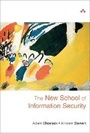
Adam Shostack | Andrew Stewart
The New School of Information Security
Book
04/2008
Addison Wesley
€27.27
Article exhausted; check different version
Persons
Adam Shostack is part of Microsoft's Security Development Lifecycle strategy team, where he is responsible for security design analysis techniques. Before Microsoft, Adam was involved in a number of successful start-ups focused on vulnerability scanning, privacy, and program analysis. He helped found the CVE, International Financial Cryptography association, and the Privacy Enhancing Technologies workshop. He has been a technical advisor to companies including Counterpane Internet Security and Debix.
Andrew Stewart is a Vice President at a US-based investment bank. His work on information security topics has been published in journals such as Computers & Security and Information Security Bulletin. His homepage is homepage.mac.com/andrew_j_stewart
Andrew Stewart is a Vice President at a US-based investment bank. His work on information security topics has been published in journals such as Computers & Security and Information Security Bulletin. His homepage is homepage.mac.com/andrew_j_stewart
Content
1. OBSERVING THE WORLD AND ASKING WHY Spam, and Other Problems with Email 4
Hostile Code 7
Security Breaches 9
Identity and the Theft of Identity 11
Should We Just Start Over? 14
The Need for a New School 15
2. THE SECURITY INDUSTRY Where the Security Industry Comes From 19
Orientations and Framing 25
What Does the Security Industry Sell? 27
How Security Is Sold 33
3. ON EVIDENCE The Trouble with Surveys 46
The Trade Press 50
Vulnerabilities 52
Instrumentation on the Internet 54
Organizations and Companies with Data 55
4. THE RISE OF THE SECURITY BREACH How Do Companies Lose Data? 64
Disclose Breaches 68
Possible Criticisms of Breach Data 70
Moving from Art to Science 74
Get Involved 76
5. AMATEURS STUDY CRYPTOGRAPHY; The Economics of Information Security 82
PROFESSIONALS STUDY ECONOMICS Psychology 95
Sociology 99
6. SPENDING Reasons to Spend on Security Today 106
Non-Reasons to Spend on Security 110
Emerging Reasons to Spend 112
How Much Should a Business
Spend on Security? 116
The Psychology of Spending 122
On What to Spend 126
7. LIFE IN THE NEW SCHOOL People Are People 132
Breach Data Is Not Actuarial Data 136
Powerful Externalities 137
The Human Computer Interface and
Risk Compensation 139
The Use and Abuse of Language 142
Skills Shortages, Organizational
Structure, and Collaboration 144
8. A CALL TO ACTION Join the New School 149
Embrace the New School 153
Make Money from the New School 157
Final Words 159
ENDNOTES 161
BIBLIOGRAPHY 213
INDEX 229
Hostile Code 7
Security Breaches 9
Identity and the Theft of Identity 11
Should We Just Start Over? 14
The Need for a New School 15
2. THE SECURITY INDUSTRY Where the Security Industry Comes From 19
Orientations and Framing 25
What Does the Security Industry Sell? 27
How Security Is Sold 33
3. ON EVIDENCE The Trouble with Surveys 46
The Trade Press 50
Vulnerabilities 52
Instrumentation on the Internet 54
Organizations and Companies with Data 55
4. THE RISE OF THE SECURITY BREACH How Do Companies Lose Data? 64
Disclose Breaches 68
Possible Criticisms of Breach Data 70
Moving from Art to Science 74
Get Involved 76
5. AMATEURS STUDY CRYPTOGRAPHY; The Economics of Information Security 82
PROFESSIONALS STUDY ECONOMICS Psychology 95
Sociology 99
6. SPENDING Reasons to Spend on Security Today 106
Non-Reasons to Spend on Security 110
Emerging Reasons to Spend 112
How Much Should a Business
Spend on Security? 116
The Psychology of Spending 122
On What to Spend 126
7. LIFE IN THE NEW SCHOOL People Are People 132
Breach Data Is Not Actuarial Data 136
Powerful Externalities 137
The Human Computer Interface and
Risk Compensation 139
The Use and Abuse of Language 142
Skills Shortages, Organizational
Structure, and Collaboration 144
8. A CALL TO ACTION Join the New School 149
Embrace the New School 153
Make Money from the New School 157
Final Words 159
ENDNOTES 161
BIBLIOGRAPHY 213
INDEX 229
