


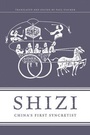
Shizi
China's First Syncretist
De Gruyter (Publisher)
1st Edition
Published on 25. September 2015
256 pages
978-0-231-50417-1 (ISBN)
Description

By blending multiple strands of thought into one ideology, Chinese Syncretists of the pre-imperial period created an essential guide to contemporary ideas about self, society, and government. Merging traditions such as Ruism, Mohism, Daoism, Legalism, and Yin-Yang naturalism into their work, Syncretists created an integrated intellectual approach that contrasts with other, more specific philosophies. Presenting the first full English translation of the earliest example of a Syncretist text, this volume introduces Western scholars to both the brilliance of the syncretic method and a critical work of Chinese leadership.
Written by Shi Jiao, China's first syncretic thinker, during the Warring States Period of 481 to 221 BCE, Shizi is similar to Machiavelli's The Prince in that it dispenses wisdom to would-be rulers. It stresses the need for leaders to be detached and objective. It further encourages self-cultivation and effective government, recommending that rulers maintain self-discipline, hire reliable people, delegate power transparently, and promote others in an orderly fashion. The people, it is argued, will emulate their leader's wisdom and virtue, and a just and peaceful state will result. Paul Fischer provides an extensive introduction and a chapter-by-chapter summary and analysis of the text-outlining the importance of syncretism in Chinese culture-and explores the text's particular features, authorship, transmission, loss, and reconstruction over time. The Shizi set the stage for a long history of syncretic endeavor in China, and its study provides insight into the vital traditions of early Chinese philosophy. It is also a template for interpreting other well-known works, such as the Confucian Analects, the Daoist Laozi, the Mohist Mozi, and the Legalist Shang jun shu.
Written by Shi Jiao, China's first syncretic thinker, during the Warring States Period of 481 to 221 BCE, Shizi is similar to Machiavelli's The Prince in that it dispenses wisdom to would-be rulers. It stresses the need for leaders to be detached and objective. It further encourages self-cultivation and effective government, recommending that rulers maintain self-discipline, hire reliable people, delegate power transparently, and promote others in an orderly fashion. The people, it is argued, will emulate their leader's wisdom and virtue, and a just and peaceful state will result. Paul Fischer provides an extensive introduction and a chapter-by-chapter summary and analysis of the text-outlining the importance of syncretism in Chinese culture-and explores the text's particular features, authorship, transmission, loss, and reconstruction over time. The Shizi set the stage for a long history of syncretic endeavor in China, and its study provides insight into the vital traditions of early Chinese philosophy. It is also a template for interpreting other well-known works, such as the Confucian Analects, the Daoist Laozi, the Mohist Mozi, and the Legalist Shang jun shu.
All prices
More details
Other editions
Additional editions
Person
Paul Fischer is an assistant professor of Chinese history at Western Kentucky University. He received his Ph.D. from the department of East Asian Languages and Civilizations at the University of Chicago.
Content
Introduction
Content
Transmission
Key Terms
Annotated Translation
1. Exhortation to Learn (Quan xue)
2. Honoring Words [of Good Advice] (Gui yan)
3. Four Kinds of Proper Conduct (Si yi)
4. The Enlightenment Hall (Ming tang)
5. Allocation (Fen)
6. Emerging from Delusion (Fa meng)
7. Considerateness (Shu)
8. Governing the World (Zhi tianxia)
9. Good Intentions (Ren yi)
10. Broad-mindedness (Guang)
11. Generous Fellows (Chuo zi)
12. Dwelling in the Way (Chu dao)
13. Spiritous Enlightenment (Shen ming)
14. Stopping the Chu Army (Zhi Chu shi)
15. The Ruler's Governance (Jun zhi)
Fragments (Yi wen)
Notes
Bibliography
Index
Content
Transmission
Key Terms
Annotated Translation
1. Exhortation to Learn (Quan xue)
2. Honoring Words [of Good Advice] (Gui yan)
3. Four Kinds of Proper Conduct (Si yi)
4. The Enlightenment Hall (Ming tang)
5. Allocation (Fen)
6. Emerging from Delusion (Fa meng)
7. Considerateness (Shu)
8. Governing the World (Zhi tianxia)
9. Good Intentions (Ren yi)
10. Broad-mindedness (Guang)
11. Generous Fellows (Chuo zi)
12. Dwelling in the Way (Chu dao)
13. Spiritous Enlightenment (Shen ming)
14. Stopping the Chu Army (Zhi Chu shi)
15. The Ruler's Governance (Jun zhi)
Fragments (Yi wen)
Notes
Bibliography
Index
Read the introduction to Shizi: China's First Syncretist (to view in full screen, click on icon in bottom right-hand corner):

