

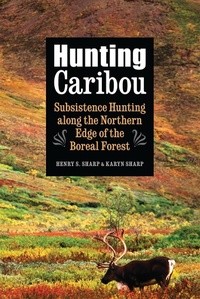
Hunting Caribou
Subsistence Hunting Along the Northern Edge of the Boreal Forest
Published on 1. June 2015
368 pages
978-0-8032-7735-9 (ISBN)
Description

Denesuline hunters range from deep in the Boreal Forest far into the tundra of northern Canada. Henry S. Sharp, a social anthropologist and ethnographer, spent several decades participating in fieldwork and observing hunts by this extended kin group. His daughter, Karyn Sharp, who is an archaeologist specializing in First Nations Studies and is Denesuline, also observed countless hunts. Over the years the father and daughter realized that not only their personal backgrounds but also their disciplinary specializations significantly affected how each perceived and understood their experiences with the Denesuline.
In Hunting Caribou, Henry and Karyn Sharp attempt to understand and interpret their decades-long observations of Denesuline hunts through the multiple disciplinary lenses of anthropology, archaeology, and ethnology. Although questions and methodologies differ between disciplines, the Sharps' ethnography, by connecting these components, provides unique insights into the ecology and motivations of hunting societies.
Themes of gender, women's labor, insects, wolf and caribou behavior, scale, mobility and transportation, and land use are linked through the authors' personal voice and experiences. This participant ethnography makes an important contribution to multiple fields in academe while simultaneously revealing broad implications for research, public policy, and First Nations politics.
In Hunting Caribou, Henry and Karyn Sharp attempt to understand and interpret their decades-long observations of Denesuline hunts through the multiple disciplinary lenses of anthropology, archaeology, and ethnology. Although questions and methodologies differ between disciplines, the Sharps' ethnography, by connecting these components, provides unique insights into the ecology and motivations of hunting societies.
Themes of gender, women's labor, insects, wolf and caribou behavior, scale, mobility and transportation, and land use are linked through the authors' personal voice and experiences. This participant ethnography makes an important contribution to multiple fields in academe while simultaneously revealing broad implications for research, public policy, and First Nations politics.
Reviews / Votes
"Henry and Karyn Sharp have given us a gift of how abstract and narrative culture translates into everyday practical activity and how that activity feels to the people themselves and to the ethnographers who make the commitment to share it with them."-John David Eller. Anthropology Review Database "Few books discussing subsistence hunting in history, archaeology, or anthropology are grounded in such rich and deep personal experience and understanding of the subject matter from a practical, participatory, long-term, and hands-on approach. This is mandatory reading for anyone discussing hunting and game management in a historical or anthropological context."-Roland Bohr, author of Gifts from the Thunder Beings: Indigenous Archery and European Firearms in the Northern Plains and Central Subarctic, 1670-1870 "This outstanding book covers a range of critical issues: hunter/gatherer transitions within a colonial context; knowledge and expertise in terms of living with nonhumans; indigenous knowledge; but most intriguing and fundamentally exciting is the blend of voices between father and daughter, elder/younger, anthropologist/archaeologist, and on it goes. This is a book that I read cover to cover without pausing and imagine that I will not be alone!"-Charles R. Menzies, editor of Traditional Ecological Knowledge and Natural Resource ManagementMore details
Language
English
Place of publication
Lincoln
United States
Target group
College/higher education
Professional and scholarly
Illustrations
12 photos
File size
3,39 MB
ISBN-13
978-0-8032-7735-9 (9780803277359)
Copyright in bibliographic data and cover images is held by Nielsen Book Services Limited or by the publishers or by their respective licensors: all rights reserved.
Schweitzer Classification
Other editions
Additional editions
Karyn Sharp | Henry S. Sharp
Hunting Caribou
Subsistence Hunting Along the Northern Edge of the Boreal Forest
Book
06/2015
University of Nebraska Press
€41.50
Shipment within 10-20 days
Persons
Henry S. Sharp has been a professor at the University of Victoria and Simon Fraser University in Canada and a former scholar-in-residence at the University of Virginia and is now semi-retired. He is the author of Loon: Memory, Meaning, and Reality in a Northern Dene Community (Nebraska, 2001), winner of the Victor Turner Prize from the Society for Humanistic Anthropology, and The Transformation of Bigfoot: Maleness, Power, and Belief among the Chipewyan.
Karyn Sharp is an adjunct professor in the Department of Anthropology at the University of Northern British Columbia and is a partner in Dancing Raven, a consulting company based in Prince George, British Columbia. Her articles have appeared in The Answer Is Still No: Voices of Resistance 2014, WIREs: Climate Change 2012, and The Midden.
Karyn Sharp is an adjunct professor in the Department of Anthropology at the University of Northern British Columbia and is a partner in Dancing Raven, a consulting company based in Prince George, British Columbia. Her articles have appeared in The Answer Is Still No: Voices of Resistance 2014, WIREs: Climate Change 2012, and The Midden.
Content
List of Illustrations
Acknowledgments
Introduction
Hunt 1. Caribou
Text 1. Hunting and Predation
Small Game. Native Mammals. Scale, Guns, and Freedom. DenEsulinE Conceptualization of Hunting. Biology of Women as Hunters. Trust. Hunting Is the Easy Part.
Hunt 2. Moose
Text 2. Food Storage
Meat Distribution. In the Village. Food Storage in the Bush: Freezing, Drying, Smoking, Natural Refrigeration. Protecting Dried Meat. Drying Caribou Meat. Marrow and Boiling Bones for Grease.
Hunt 3. Caribou: Pursuit and Risk
Text 3. Persistence in Hunting
The Dangers of Moving through the Bush. Walking the Land. Dog Teams. Boats, Opportunistic Contact in Hunting.
Hunt 4. Caribou: Waiting for Prey
Text 4. Weapons
Muskets and Rifles. Accuracy. How Weapons Technology Altered DenEsulinE Hunting. Women and Rifles. Social Changes from Changed Hunting Methods. Pursuit Hunting and Following Wounded Game.
Hunt 5. Caribou: Walking, Kill Locations, and Spoilage
Text 5. Carrion and Scavengers
The African Model. Consequences of Human Scavenging. An Anthropological Gender War. Eating the Dead. Snow Probes.
Hunt 6. Wolf
Text 6. Camp Formation
Pitching a Camp. Work Areas and Dog Beds. Area a Camp Occupies. Range of Day Trips. Marking the Land. Average Area Exploited by a Camp. Human Influence upon the Land.
Hunt 7. Moose: Hunting by Habitat
Text 7. Summer Doldrums
Inactivity. Problems with Making and Storing Dry Meat. Fish and Other Things. Choosing a Camp Location. Scars on the Land.
Hunt 8. Caribou: Long-Distance Hunting
Text 8. Transporting Meat
Walking the Land. Storing Meat in Lakes.
Interlude 1. Land Use and the Terrain at Foxholm Lake
Hunt 9. Bear: Failed Hunt
Text 9. Looking for Game
The Use of High Ground. The Scale of Distance in Hunting. Time and Distance.
Hunt 10. Caribou: Calves
Text 10. Hides
Characteristics of Caribou Hide and Leather. Making and Working Caribou Hide. Time Window for Taking Caribou Hide. Parasites and Seasonality. Uses of Caribou Hide. The Need for Hides Modifies Hunting Priorities. Hunting the Megafauna.
Hunt 11. Jackfish
Text 11. Women's Labor
Flexibility in the Sexual Division of Labor. Women's Work and Social Status. Women's Tasks and Shared Work. Raw Materials vs. Finished Products. The Balance of Temperaments.
Hunt 12. Bear: Stalking Prey
Text 12. Prey Choices
The Failure of Economic Analysis
Hunt 13. Missing Hunts
Text 13. Shadows of the Past
Geology, Rock, Ice, and Ground Cover. Permafrost, Drainage, and Ice Action. Change. How Long Is the Memory of Unused Technology? Clothing. The Generational Transmission of Knowledge.
Interlude 2. Wolves, Caribou, and Approaching Prey
Hunt 14. Caribou: Caching in the Fall
Text 14. Hunting from High Ground
Prey Selection. Hunting with Spears.
Hunt 15. Caribou: Failed Hunt
Text 15. A Puzzle
How Past Hunters Hunted the Land. Conclusion.
Selected Bibliography
Index
Acknowledgments
Introduction
Hunt 1. Caribou
Text 1. Hunting and Predation
Small Game. Native Mammals. Scale, Guns, and Freedom. DenEsulinE Conceptualization of Hunting. Biology of Women as Hunters. Trust. Hunting Is the Easy Part.
Hunt 2. Moose
Text 2. Food Storage
Meat Distribution. In the Village. Food Storage in the Bush: Freezing, Drying, Smoking, Natural Refrigeration. Protecting Dried Meat. Drying Caribou Meat. Marrow and Boiling Bones for Grease.
Hunt 3. Caribou: Pursuit and Risk
Text 3. Persistence in Hunting
The Dangers of Moving through the Bush. Walking the Land. Dog Teams. Boats, Opportunistic Contact in Hunting.
Hunt 4. Caribou: Waiting for Prey
Text 4. Weapons
Muskets and Rifles. Accuracy. How Weapons Technology Altered DenEsulinE Hunting. Women and Rifles. Social Changes from Changed Hunting Methods. Pursuit Hunting and Following Wounded Game.
Hunt 5. Caribou: Walking, Kill Locations, and Spoilage
Text 5. Carrion and Scavengers
The African Model. Consequences of Human Scavenging. An Anthropological Gender War. Eating the Dead. Snow Probes.
Hunt 6. Wolf
Text 6. Camp Formation
Pitching a Camp. Work Areas and Dog Beds. Area a Camp Occupies. Range of Day Trips. Marking the Land. Average Area Exploited by a Camp. Human Influence upon the Land.
Hunt 7. Moose: Hunting by Habitat
Text 7. Summer Doldrums
Inactivity. Problems with Making and Storing Dry Meat. Fish and Other Things. Choosing a Camp Location. Scars on the Land.
Hunt 8. Caribou: Long-Distance Hunting
Text 8. Transporting Meat
Walking the Land. Storing Meat in Lakes.
Interlude 1. Land Use and the Terrain at Foxholm Lake
Hunt 9. Bear: Failed Hunt
Text 9. Looking for Game
The Use of High Ground. The Scale of Distance in Hunting. Time and Distance.
Hunt 10. Caribou: Calves
Text 10. Hides
Characteristics of Caribou Hide and Leather. Making and Working Caribou Hide. Time Window for Taking Caribou Hide. Parasites and Seasonality. Uses of Caribou Hide. The Need for Hides Modifies Hunting Priorities. Hunting the Megafauna.
Hunt 11. Jackfish
Text 11. Women's Labor
Flexibility in the Sexual Division of Labor. Women's Work and Social Status. Women's Tasks and Shared Work. Raw Materials vs. Finished Products. The Balance of Temperaments.
Hunt 12. Bear: Stalking Prey
Text 12. Prey Choices
The Failure of Economic Analysis
Hunt 13. Missing Hunts
Text 13. Shadows of the Past
Geology, Rock, Ice, and Ground Cover. Permafrost, Drainage, and Ice Action. Change. How Long Is the Memory of Unused Technology? Clothing. The Generational Transmission of Knowledge.
Interlude 2. Wolves, Caribou, and Approaching Prey
Hunt 14. Caribou: Caching in the Fall
Text 14. Hunting from High Ground
Prey Selection. Hunting with Spears.
Hunt 15. Caribou: Failed Hunt
Text 15. A Puzzle
How Past Hunters Hunted the Land. Conclusion.
Selected Bibliography
Index
