

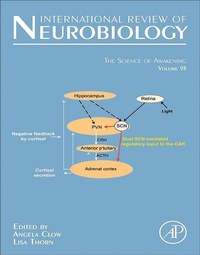
Science of Awakening
Academic Press
Published on 25. November 2010
315 pages
978-0-12-381325-1 (ISBN)
Description

With recent advances of modern medicine more people reach the 'elderly age' around the globe and the number of dementia cases are ever increasing. This book is about various aspects of dementia and provides its readers with a wide range of thought-provoking sub-topics in the field of dementia. The ultimate goal of this monograph is to stimulate other physicians' and neuroscientists' interest to carry out more research projects into pathogenesis of this devastating group of diseases.
More details
Other editions
Additional editions
Angela Clow | Lisa Thorn
Science of Awakening: Volume 93
Book
11/2010
Academic Press
€193.13
Article exhausted; check different version
Persons
Content
- Cover
- International Review of Neurobiology
- Copyright
- Contents
- Contributors
- Preface
- Underlying Brain Mechanisms that RegulateSleep-Wakefulness Cycles
- I. Wakefulness-Regulating Systems
- II. Sleep-Regulating Neurons in the Preoptic Hypothalamus
- III. Homeostatic Regulation of Arousal States and Preoptic SleepRegulatory Systems: Recent Findings
- IV. Integration of Sleep-Regulatory Neuronal Activity in the Preoptic Area
- V. Descending Modulation of Arousal Systems by Sleep-RegulatoryNeurons in the Preoptic Area
- Acknowledgments
- References
- Changes In EEG Pre and Post Awakening
- I. Introduction
- II. EEG Changes Preceding an Awakening
- III. EEG Changes Following an Awakening
- IV. Summary
- References
- What Keeps Us Awake?-the Role of Clocks and Hourglasses,Light, and Melatonin
- I. Introduction
- II. Circadian and Homeostatic Impetus for Wakefulness
- III. Effects of Light on Human Wakefulness
- IV. Effects of Melatonin on Human Sleep and Wakefulness
- References
- Suprachiasmatic Nucleus and Autonomic Nervous SystemInfluences on Awakening From Sleep
- I. Introduction
- II. SCN Output Rhythms
- III. The Cortisol/Corticosterone Awakening Rise
- IV. The Dawn Phenomenon
- V. The Awakening of the Cardiovascular System
- VI. Conclusion
- Acknowledgments
- References
- Preparation for Awakening: Self-Awakening Vs. ForcedAwakening: Preparatory Changes inthe Pre-Awakening Period
- I. Introduction
- II. Definitions
- III. Effects of Attempt to Self-Awaken on Sleep
- IV. Self-Awakening and Daytime Functions
- V. Habit and Ability of Self-Awakening
- VI. Factors of Successful Self-Awakening
- VII. Schematic Model of Self-Awakening
- VIII. Conclusion
- References
- Circadian and Sleep Episode Duration Influences on Cognitive PerformanceFollowing the Process of Awakening
- I. Introduction
- II. Time-of-Day and Cognition
- III. Time-of-Day Effects and Waking Up
- IV. Length of Sleep Episode and SI
- V. Different Measures of Cognitive Functioning
- References
- The Cortisol Awakening Response in Context
- I. Introduction
- II. History of the Investigation of the CAR
- III. Distinct Regulation of the CAR and Relationship with the SCN
- IV. The CAR as an Awakening Process
- V. CAR and Cognitive Awakening
- VI. CAR and Immunological Awakening
- VII. CAR and Behavioral Awakening
- VIII. Measurement of the CAR
- IX. Conclusions
- References
- Causes and Correlates of Frequent Night Awakeningsin Early Childhood
- I. Parenting Practices
- II. Family Context
- III. Child Characteristics
- IV. Summary
- References
- Pathologies of Awakenings: The Clinical Problem of InsomniaConsidered From Multiple Theory Levels
- I. Chronic Insomnia: Syndromes of Pathological Awakenings
- II. Background Conceptual Features of Analysis of Realities About Sleep
- III. The Spielman three-factor High-Level Model of Insomnia and Mid-Level Therapeutic Theories of Insomnia Therapies
- IV. Cautions About Conceptual Transitions to the Theory Levelof Neuronal Processes
- V. An Aristotelian Method of Review
- VI. Conclusion
- References
- The Neurochemistry of Awakening: Findings from SleepDisorder Narcolepsy
- I. Introduction
- II. Neurobiology of Wakefulness
- III. Narcolepsy and Symptoms of Narcolepsy
- IV. Discovery of Hypocretin Deficiency and Postnatal Cell Deathof Hypocretin Neurons
- V. Idiopathic Hypersomnia, Hypocretin Non-deficient PrimaryHypersomnia
- VI. Symptomatic Narcolepsy and Hypersomnia: Hypocretin Involvements
- VII. How Does Hypocretin Ligand Deficiency Cause the NarcolepsyPhenotype?
- VIII. Considerations for the Pathophysiology of Narcolepsy with NormalHypocretin Levels
- IX. Changes in Other Neurotransmitter Systems in Narcolepsyand Idiopathic Hypersomnia
- X. Involvements of Histaminergic Neurotransmission in HumanNarcolepsy and Other Hypersomnia
- XI. Conclusion
- Acknowledgments
- References
- Index
- Contents of Recent Volumes
