

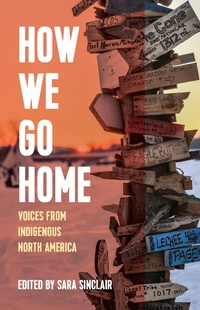
How We Go Home
Description

In myriad ways, each narrator's life has been shaped by loss, injustice, and resilience-and by the struggle of how to share space with settler nations whose essential aim is to take all that is Indigenous.
Hear from Jasilyn Charger, one of the first five people to set up camp at Standing Rock, which kickstarted a movement of Water Protectors that roused the world; Gladys Radek, a survivor of sexual violence whose niece disappeared along Canada's Highway of Tears, who became a family advocate for the National Inquiry into Missing and Murdered Indigenous Women and Girls; and Marian Naranjo, herself the subject of a secret radiation test while in high school, who went on to drive Santa Clara Pueblo toward compiling an environmental impact statement on the consequences of living next to Los Alamos National Laboratory. Theirs are stories among many of the ongoing contemporary struggles to preserve Native lands and lives-and of how we go home.
More details
Person
Sara Sinclair is an oral historian of Cree-Ojibwa and German-Jewish descent. Sara was the lead interviewer for Columbia Center for Oral History Research's Robert Rauschenberg Oral History Project, and coedited a book from these narratives, published by Columbia University Press in August 2019.
Content
- Intro
- Copyright
- Contents
- Editor's note
- Introduction
- Executive editor's note
- Map
- Gladys Radek, Terrace, Gitxsan/Wet'suwet'en First Nations
- Jasilyn Charger, Cheyenne River Sioux
- Wizipan Little Elk, Rosebud Lakota
- Geraldine Manson, Snuneymuxw First Nation
- Robert Ornelas, New York City, Lipan Apache/Ysleta del Sur Pueblo
- Ashley Hemmers, Fort Mojave Indian Tribe
- Ervin Chartrand, Selkirk, Métis/Salteaux
- James Favel, Winnipeg, Peguis First Nation
- Marian Naranjo, Santa Clara Pueblo
- Blaine Wilson, Tsartlip First Nation
- Althea Guiboche, Winnipeg, Métis/Ojibwe/Salteaux
- Vera Styres, Six Nations of the Grand River, Mohawk/Tuscarora
- Glossary
- Historical timeline of indigenous north america
- Contextual essays
- The Trail of Broken Promises: US and Canadian Treaties with First Nations
- "Indigenous Perspectives on Historical Trauma": An Interview with Johnna James
- Indigenous Resurgence
- Ten things you can do
- Further reading
- Acknowledgments
- Back Cover
